Best Kidney Support Supplement for Cats: 2026 Buyer's Guide
Kidney disease is one of the most common conditions in senior cats, and the right supplement can make a real difference in quality of life. This guide breaks down the best kidney support supplements for cats in 2026 — with honest reviews, key ingredients to look for, and a practical buyer's checklist.
12 min read · Updated 7/25/2026 · by Rafael Marques

Why Kidney Health Matters So Much for Senior Cats
If you share your home with a cat over the age of seven, kidney health is something you're probably already thinking about — and rightly so. Chronic kidney disease (CKD) affects an estimated 30–40% of cats over 10 years old, making it one of the most prevalent conditions in senior felines. The kidneys filter waste from the blood, regulate hydration, control blood pressure, and produce key hormones. When they start to lose function — a process that's usually gradual and silent — the ripple effects touch nearly every system in your cat's body.
The good news is that while CKD can't be reversed, its progression can often be slowed with the right combination of veterinary care, a kidney-appropriate diet, and targeted kidney support supplements for cats. This guide is designed to help you navigate that supplement landscape confidently, whether your vet just mentioned "early kidney changes" at your cat's annual checkup, or your cat is already managing a formal CKD diagnosis.
Important: No supplement replaces veterinary care. Always work with a licensed veterinarian before adding anything new to your cat's regimen — especially if your cat has been diagnosed with CKD, is on prescription medications, or has other concurrent conditions.
Quick Picks: Best Kidney Support Supplements for Cats at a Glance
📝 Editor's note: Cats are genuinely hard to keep hydrated — they drink the bare minimum amount of water they need, and honestly, that might be exactly why so many of them end up dealing with kidney problems as they get older.
| Pick | Best For |
|---|---|
| Azodyl (Vetri-Science) | Cats with elevated BUN/creatinine needing probiotic-based uremic toxin support |
| Paw by Blackmores Kidney Support | Cats in early-stage CKD who need antioxidant and omega support |
| Renal-K (VetMark) | Cats with low potassium due to CKD-related muscle weakness |
| Standard Process Feline Renal Support | Whole-food-based option for cats with early kidney changes |
| Zesty Paws Kidney Bites for Cats | Budget-friendly, easy-to-give soft chew for picky eaters |
Understanding What to Look for in a Kidney Support Supplement for Cats
Before diving into individual products, let's talk about what actually works — and why. Not all "kidney support" labels mean the same thing. Here are the key ingredients backed by veterinary literature and real-world use:
Probiotics (Enterically-Targeted)
One of the most clinically discussed mechanisms for kidney support in cats involves gut-based uremic toxin management. Certain probiotic strains — particularly Lactobacillus acidophilus, Enterococcus thermophilus, and Bifidobacterium longum — have been shown to metabolize urea and other nitrogenous waste in the gut, effectively reducing the burden on the kidneys. This is the science behind products like Azodyl.
Omega-3 Fatty Acids (EPA/DHA)
Marine-sourced omega-3s help reduce glomerular hypertension (excess pressure in the kidney's filtering units), which is a key driver of CKD progression. A dose of around 40 mg/kg/day of EPA+DHA is often cited in veterinary nutrition circles, though your vet should confirm the right amount for your cat's weight and stage. Best omega-3 fish oil supplements for senior dogs with joint pain offer similar benefits through comparable mechanisms.
Potassium
Hypokalemia (low potassium) is extremely common in cats with CKD because damaged kidneys excrete too much potassium. Muscle weakness, a hunched posture, and neck ventroflexion (head drooping) are telltale signs. Potassium gluconate or potassium citrate supplementation can be genuinely life-changing for these cats.
Phosphorus Binders
While not a "supplement" in the traditional sense, phosphorus binders (like aluminum hydroxide, calcium carbonate, or lanthanum carbonate) are critically important in CKD because damaged kidneys can't clear dietary phosphorus efficiently. Phosphorus accumulation accelerates kidney damage. Ask your vet whether a binder is appropriate alongside any supplement you choose.
Antioxidants (Vitamin E, Vitamin C, CoQ10)
Oxidative stress is elevated in cats with CKD. Antioxidant support can help reduce cellular damage in kidney tissue. Look for products that include vitamin E (as mixed tocopherols), modest amounts of vitamin C, and/or coenzyme Q10.
B Vitamins
Water-soluble B vitamins — especially B12 (cobalamin) and B6 — are lost through increased urination in CKD cats and need to be replenished. B vitamin deficiency can compound anemia (another common CKD complication).
Aluminum Hydroxide / Phosphate Binders
Often added to renal support blends. Reduces dietary phosphorus absorption in the GI tract.
The Best Kidney Support Supplements for Cats: In-Depth Reviews
1. Azodyl (Vetri-Science) — Best Overall for Mid-to-Late Stage CKD
What it is: Azodyl is a patented probiotic blend — containing Kibow Biotics strains — specifically formulated to help manage uremic toxins in cats and dogs with CKD. It comes in small capsules that can be opened and sprinkled onto food or given whole.

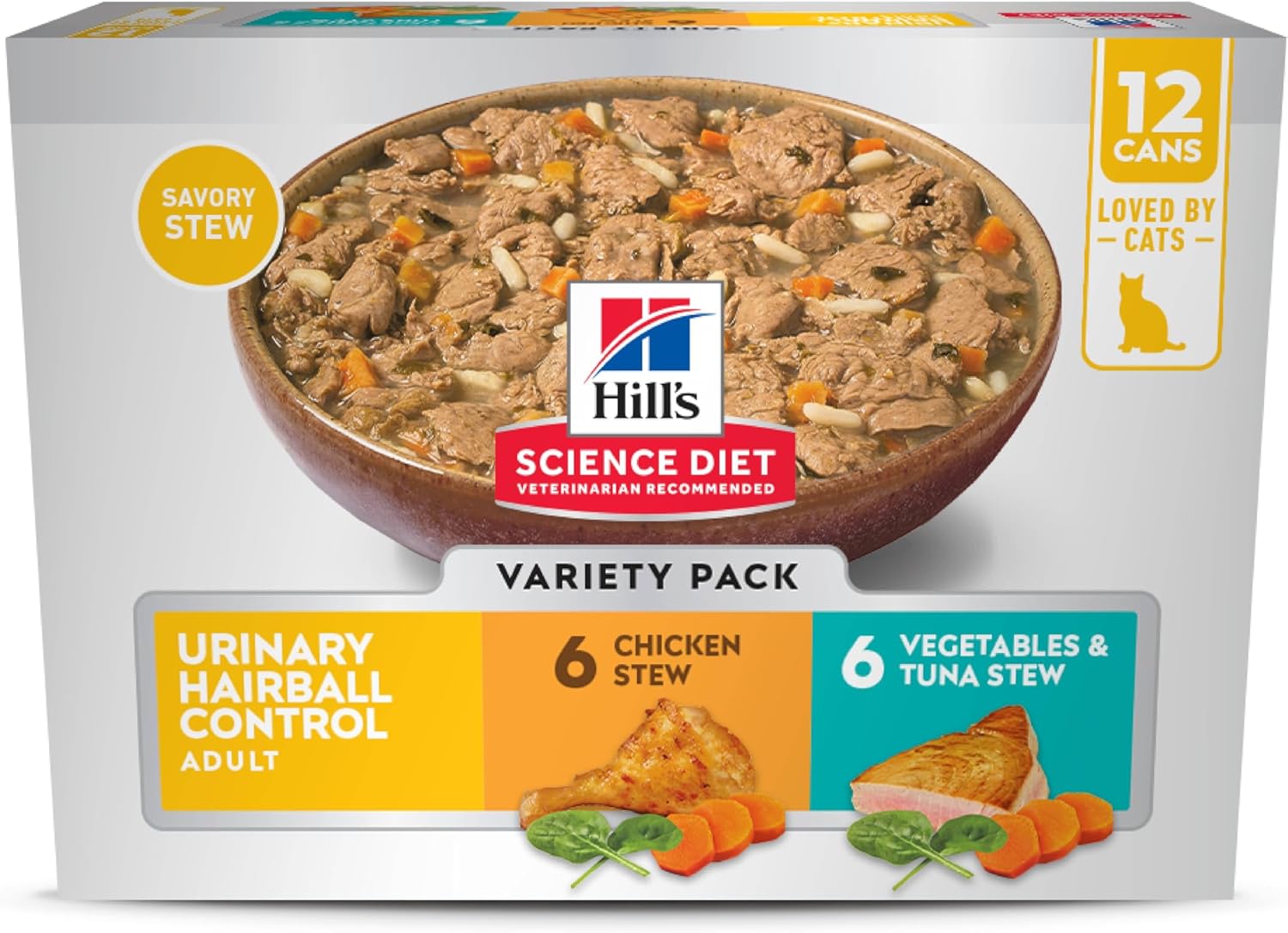
Hill's Science Diet Adult Urinary & Hairball Control Wet Cat Food Variety Pack, Chicken Stew, Vegetables & Tuna Stew, 2.9 oz. Cans, 12-Pack
$23.76
*Affiliate link
Key specs:
- Form: Enteric-coated capsules (30 or 90 count)
- Key ingredients: Streptococcus thermophilus, Lactobacillus acidophilus, Bifidobacterium longum, psyllium husk (prebiotic)
- Refrigeration required: Yes
- Species: Cats and dogs
- Price range: ~$28–$55 depending on count
How it works: The enteric coating ensures the probiotic bacteria survive stomach acid and reach the large intestine, where they metabolize urea and other nitrogenous waste products — reducing circulating toxins that the compromised kidneys can no longer filter efficiently.
Pros:
- One of the most clinically recognized probiotic renal supplements in veterinary medicine
- Peer-reviewed studies on the underlying strains
- Can meaningfully lower BUN (blood urea nitrogen) in some cats
- Small capsules are manageable for most owners
Cons:
- Requires refrigeration (travel can be tricky)
- Some cats resist swallowing capsules whole — the contents can be sprinkled, but the enteric coating benefit is lost
- Results vary; not every cat shows dramatic bloodwork improvement
- Doesn't address phosphorus, potassium, or omega-3 needs
Best for: Cats in IRIS Stage 2–3 CKD with elevated BUN and creatinine, or cats showing signs of uremic buildup (nausea, reduced appetite, lethargy).
2. Paw by Blackmores Kidney Support — Best for Antioxidant + Omega-3 Combined Support
What it is: A liquid or soft gel supplement combining omega-3 fatty acids (EPA/DHA from fish oil), antioxidants (vitamin E), and B vitamins to support kidney tissue health and reduce inflammation.
Key specs:
- Form: Liquid pump or soft gels
- Key ingredients: EPA, DHA, vitamin E, B-complex vitamins
- Refrigeration required: After opening (liquid form)
- Price range: ~$22–$40
Pros:
- Easy to add to wet food — most cats accept the fish-oil flavor readily
- Addresses oxidative stress and inflammatory pathways simultaneously
- Good option for cats who won't tolerate capsules or powders
- Marine-sourced omega-3s have a solid evidence base for renal health
Cons:
- Doesn't address potassium or phosphorus — you'll need separate products if those are concerns
- Fish oil can go rancid if not stored correctly
- Not as widely studied specifically for cats as Azodyl
Best for: Early-stage CKD cats (IRIS Stage 1–2), or cats being given preventive kidney support after a diagnosis of early kidney changes. Also great for cats who are picky about textures.
3. Renal-K (VetMark / Vetoquinol) — Best for Cats with Low Potassium
What it is: Renal-K is a potassium gluconate gel designed specifically to correct hypokalemia in cats with chronic kidney disease. It's one of the most widely recommended potassium supplements by veterinary internists.
Key specs:
- Form: Flavored gel (2 mEq potassium per teaspoon)
- Key ingredient: Potassium gluconate
- Flavor: Malt/caramel (cat-palatable)
- Price range: ~$18–$30 for a 5 oz tube
Pros:
- Highly palatable — many cats will lick it directly off a spoon or finger
- Precise, easy-to-adjust dosing
- Rapid improvement in muscle strength and posture often noticed within 1–2 weeks
- Well-tolerated and widely available through vets and online pharmacies
- Affordable
Cons:
- Addresses potassium only — a single-purpose supplement
- Dose must be calibrated by your vet based on bloodwork (potassium levels)
- Over-supplementation is possible if not monitored
Best for: CKD cats showing muscle weakness, rear limb weakness, neck ventroflexion, or confirmed hypokalemia on bloodwork. Do not use without veterinary guidance, as potassium levels must be monitored.
4. Standard Process Feline Renal Support — Best Whole-Food-Based Option
What it is: A powder supplement from Standard Process (a company with a long history in human and veterinary nutrition) made from concentrated whole-food ingredients including kidney glandular tissue, bovine liver, and antioxidant-rich plant extracts.
Key specs:
- Form: Powder (sprinkle on food)
- Key ingredients: Renal glandular, liver powder, oat flour, magnesium citrate, B vitamins
- Price range: ~$35–$50 (professional-grade; sold through vets and certified practitioners)
Pros:
- Whole-food philosophy appeals to owners who prefer less synthetic supplementation
- Powder mixes easily into wet food
- Contains naturally occurring co-factors and enzymes
- B vitamins and magnesium included
Cons:
- Available primarily through veterinary or practitioner channels — not always easy to find retail
- Glandular ingredients are a concern for some owners
- Less peer-reviewed data than probiotic or omega-3 options
- Not appropriate for cats with protein restrictions at advanced CKD stages
Best for: Owners who prefer a whole-food, holistic approach and whose cats are in early-stage kidney changes (not yet on protein restriction). Best used under veterinary guidance.
5. Zesty Paws Kidney Bites for Cats — Best Budget-Friendly Pick for Picky Eaters
What it is: A soft chew supplement combining cranberry extract, astragalus root, N-acetyl cysteine (NAC), and vitamin C to support urinary tract and kidney health in cats.
Key specs:
- Form: Soft chews (chicken flavor)
- Key ingredients: Cranberry extract, astragalus, NAC, vitamin C, marshmallow root
- Price range: ~$18–$25 for 60 chews
Pros:
- Easy to give — most cats eat them like treats
- No refrigeration needed
- Affordable and widely available (Amazon, Chewy, PetSmart)
- NAC and cranberry have antioxidant and urinary tract benefits
- Good "entry point" supplement for cats with early or borderline kidney concerns
Cons:
- Not a clinical-grade CKD product — more of a preventive/supportive option
- Limited peer-reviewed data on the specific formulation
- Doesn't address phosphorus, potassium, or uremic toxins directly
- Some cats still refuse chews regardless of flavor
Best for: Cat owners who want an affordable, easy-to-give daily supplement for kidney and urinary wellness — particularly cats in early stages or those with a history of urinary issues alongside kidney concerns. Not a replacement for Azodyl or Renal-K in cats with diagnosed CKD.
How to Compare Kidney Support Supplements: Honest Trade-Offs
| Supplement | Probiotic/Uremic | Omega-3s | Potassium | Antioxidants | Phosphorus | Ease of Use | Price |
|---|---|---|---|---|---|---|---|
| Azodyl | ✅ | ❌ | ❌ | ❌ | ❌ | Moderate | $$$ |
| Paw Blackmores | ❌ | ✅ | ❌ | ✅ | ❌ | Easy | $$ |
| Renal-K | ❌ | ❌ | ✅ | ❌ | ❌ | Easy | $ |
| Standard Process | ❌ | ❌ | Partial | ✅ | ❌ | Easy | $$$ |
| Zesty Paws Bites | ❌ | ❌ | ❌ | ✅ | ❌ | Very Easy | $ |
The takeaway: No single supplement does everything. Many veterinary internists recommend a combination approach — for example, Azodyl for uremic toxin management + a fish oil supplement for omega-3s + Renal-K if hypokalemia is confirmed. Work with your vet to build a stack that targets your cat's specific bloodwork findings.
Signs Your Senior Cat May Need Kidney Support
It's worth knowing what to watch for, since CKD is notorious for being a "silent" disease in its early stages. Common signs that warrant a vet visit and kidney panel include:
- Increased thirst and urination — one of the earliest and most consistent signs
- Weight loss, especially muscle wasting along the spine and hindquarters
- Reduced appetite or turning away from food they previously loved
- Vomiting, especially in the morning or after eating
- Lethargy and spending more time sleeping than usual
- Bad breath with a chemical or ammonia-like odor (a sign of uremic toxin buildup)
- Unkempt coat — cats with CKD often stop grooming as thoroughly
- Rear limb weakness or wobbly gait (can indicate hypokalemia)
If you notice two or more of these signs, schedule a veterinary appointment — ideally one that includes a full senior bloodwork panel and urinalysis. CKD is staged using the IRIS (International Renal Interest Society) system (Stages 1–4), and knowing your cat's stage is essential for choosing the right supplement and treatment strategy.
Buyer's Checklist: What to Look for in a Cat Kidney Support Supplement
Before you add something to your cart, run through this checklist:
- Vet-approved: Has your veterinarian confirmed it's appropriate for your cat's specific CKD stage and concurrent conditions?
- Targeted ingredients: Does it address your cat's specific deficiency — uremic toxins, low potassium, oxidative stress, or omega-3 deficiency?
- Form factor your cat will accept: Capsule, powder, gel, liquid, or chew — pick what your cat will actually consume
- No harmful additives: Avoid supplements with artificial sweeteners (especially xylitol), excessive vitamin D, or herbal ingredients not vetted for cats (some herbs are hepatotoxic)
- Quality manufacturer: Look for products made in NASC-audited facilities, with a clear Certificate of Analysis (COA) available
- Phosphorus content: For CKD cats, choose supplements that are low in phosphorus or explicitly phosphorus-controlled
- Protein level awareness: Cats in IRIS Stage 3–4 may have protein restrictions — check total protein content of any supplement
- Regular bloodwork: Plan to recheck kidney values (BUN, creatinine, phosphorus, potassium, SDMA) every 3–6 months to assess whether supplementation is working
Our Top Recommendation
For most cat owners navigating a CKD diagnosis, Azodyl remains the gold-standard starting point for its unique mechanism of action and the strongest track record in clinical settings. Pair it with a quality fish oil supplement for omega-3 support, and add Renal-K only if your vet confirms low potassium on bloodwork.
If your cat is in very early kidney changes or you're looking for a preventive daily supplement, Zesty Paws Kidney Bites offer an easy, affordable entry point — just don't rely on them alone if your cat has a confirmed CKD diagnosis.
Above all, remember: supplements are one piece of a much larger puzzle that includes kidney-appropriate nutrition (low phosphorus, controlled protein, high moisture), excellent hydration (wet food and/or a water fountain), and regular veterinary monitoring. The cats who do best with CKD are those whose owners stay engaged, keep vet appointments, and adjust the plan as the disease evolves.
⚕️ Important: This article is for information only and isn't a substitute for advice from a licensed veterinarian. Always talk to your vet before changing your senior pet's diet, supplements, or treatment.
Recommended products
Hill's Science Diet Adult Urinary & Hairball Control Wet Cat Food Variety Pack, Chicken Stew, Vegetables & Tuna Stew, 2.9 oz. Cans, 12-Pack
$23.76
*Affiliate link

Forza10 - Cat Food, Vet-Formulated Renal Wet, Non GMO, Kidney Care Food with Lamb Flavor, Crafted for Adults, Made in Italy (3.5 oz, 12 Pack)
$29.99
*Affiliate link

Purina Pro Plan Urinary Cat Food Wet Variety Pack Urinary Tract Health Ocean Whitefish, Chicken, Turkey and Giblets - (Pack of 24) 3 oz. Cans
$47.04
*Affiliate link
Frequently asked questions
What is the best kidney support supplement for cats with CKD?
There is no single 'best' supplement for all cats — it depends on your cat's CKD stage and specific bloodwork findings. Azodyl is widely regarded as the top clinical-grade option for managing uremic toxins, while Renal-K is the go-to for cats with confirmed low potassium. Most veterinary internists recommend a combination approach. Always consult your vet before starting any supplement.
Can kidney supplements reverse CKD in cats?
No — chronic kidney disease in cats cannot be reversed. Kidney tissue that has been damaged does not regenerate. However, the right combination of supplements, a kidney-appropriate diet, and good hydration can slow the progression of CKD and significantly improve your cat's quality of life and comfort. Early intervention makes the biggest difference.
How long does it take for a kidney supplement to work in cats?
It depends on the supplement. Potassium supplements like Renal-K can show noticeable improvement in muscle strength within 1–2 weeks. Probiotic-based supplements like Azodyl may take 4–8 weeks before you see changes in bloodwork values. Omega-3 supplements work gradually over months. Your vet will typically recommend rechecking kidney panels 2–3 months after starting a new supplement regimen.
Are there any kidney supplements I should avoid giving my cat?
Yes. Avoid supplements containing xylitol (an artificial sweetener that is toxic to cats), excessive vitamin D (which can worsen kidney calcification), high levels of phosphorus (extremely harmful in CKD cats), or unvetted herbal ingredients. Some herbs marketed as 'natural' — including certain forms of licorice root, pennyroyal, and comfrey — can be hepatotoxic or nephrotoxic in cats. Always run any supplement by your veterinarian first.
Should I give my senior cat a kidney supplement even if she hasn't been diagnosed with CKD?
It's a great question. For senior cats (age 7+) without a confirmed CKD diagnosis, a gentle preventive supplement like a high-quality fish oil or a broad kidney-and-urinary wellness chew can be reasonable — but the most impactful step is annual (or twice-yearly) bloodwork that includes kidney values and SDMA, which can detect early kidney changes before symptoms appear. Discuss with your vet whether a preventive supplement makes sense for your individual cat.