Senior Dog Panting at Night: Causes, Warning Signs, and What to Do
Nighttime panting in senior dogs can signal anything from mild discomfort to a serious medical condition. This guide walks you through the most common causes, red-flag symptoms, and practical steps to help your aging dog rest easier.
11 min read · Updated 9/2/2026 · by Rafael Marques

If your senior dog is panting at night, you're probably not sleeping much either. That rhythmic, heavy breathing in the dark is hard to ignore — and honestly, it shouldn't be. While occasional panting is completely normal for dogs of any age, persistent or unexplained nighttime panting in an older dog is one of those symptoms that deserves real attention. It's your dog's way of telling you something isn't right.
This guide covers the most common causes of senior dog panting at night, the warning signs that mean you should call your vet sooner rather than later, and the practical things you can do right now to help your dog feel more comfortable.
Why Nighttime Panting Is Different in Senior Dogs
📝 Editor's note: A panting dog can actually be telling you a whole lot — anywhere from something psychological like anxiety all the way to physical symptoms that need their own specific treatment depending on what's going on. That's why it's so important to know what you might be dealing with as soon as you start noticing those signs.
Dogs pant for all kinds of reasons — to cool down, after exercise, when they're excited or anxious. That's normal physiology. But when an older dog starts panting at night specifically, especially when the house is cool and they've been resting, that's a different story.
Senior dogs — generally considered 7 years and older for large breeds, and 10+ for small breeds — are more vulnerable to a wide range of age-related conditions that can cause discomfort, pain, hormonal disruption, and cognitive changes. Many of these conditions are most noticeable at night, when the distractions of the day are gone and your dog is trying (and failing) to settle.
The bottom line: nighttime panting in a senior dog is rarely "just normal aging." It almost always has a specific cause, and most of those causes are manageable once identified.
The Most Common Causes of Senior Dog Panting at Night
1. Pain — Especially From Arthritis
This is one of the single most common reasons older dogs pant at night, and it's frequently underestimated by owners. Dogs are wired to hide pain, so by the time panting starts, the discomfort is often significant.
Canine osteoarthritis affects an estimated 80% of dogs over the age of 8. Joint pain tends to worsen when a dog lies still for extended periods because the joints stiffen without the natural lubricating effect of movement. A dog who seemed fine during the day may shift, pace, and pant through the night as the ache builds.
Other pain sources in senior dogs include:
- Spinal disease (intervertebral disc disease, spondylosis)
- Dental disease (often severe and silent in older dogs)
- Cancer-related pain
- Internal organ pain (gastrointestinal, kidney, liver)
What to watch for: Restlessness, reluctance to lie in one position, whimpering when changing positions, stiff gait in the morning.
Always consult your veterinarian before assuming pain is the cause — proper diagnosis and safe pain management for senior dogs requires professional guidance. Never give human pain relievers (like ibuprofen or acetaminophen) to your dog; they are toxic.
2. Canine Cognitive Dysfunction (Dog Dementia)
Canine cognitive dysfunction syndrome (CDS) — often called dog dementia — is a neurological condition that affects a large percentage of dogs over age 11. Studies suggest that nearly 70% of dogs aged 15–16 show signs of CDS, and many show early signs as young as 9 or 10.
One of the hallmark symptoms is nighttime restlessness and disorientation. Dogs with CDS often experience a disrupted sleep-wake cycle, similar to sundowning in humans with Alzheimer's disease. They may pace, whine, stare at walls, get "lost" in familiar rooms, and pant — all through the night.
Signs that CDS may be involved:
- Panting and restlessness that's worst in the evening and overnight
- Staring into space or at walls
- Forgetting learned behaviors (house training lapses)
- Reduced interest in play or interaction
- Seeming confused or disoriented in familiar environments
Your vet can assess your dog for CDS using behavioral questionnaires and ruling out other conditions. There are FDA-approved medications and supplements that may help — your vet is the right person to guide you here.
3. Cushing's Disease (Hyperadrenocorticism)
Cushing's disease is a hormonal disorder in which the adrenal glands produce too much cortisol. It's one of the most common endocrine disorders in middle-aged and older dogs, with an estimated 100,000 new cases diagnosed in the US each year.
Excess cortisol causes a cascade of symptoms, and excessive panting — day and night — is one of the most consistent ones. The panting from Cushing's is often described as relentless; dogs seem to pant even when cool and calm.
Other Cushing's signs to look for:
- Pot-bellied appearance
- Increased thirst and urination (including nighttime accidents)
- Hair loss or a thinning coat
- Increased appetite
- Muscle weakness and lethargy

Pet Food Toppers — Raw Paws (entice picky senior eaters)
*Affiliate link
Cushing's is diagnosable with specific blood and urine tests, and it's treatable. If your senior dog has several of these signs alongside nighttime panting, bring it up with your vet specifically.
4. Heart and Respiratory Disease
The heart and lungs work hard 24/7, and age-related changes can make that work much harder. Conditions like congestive heart failure (CHF), chronic bronchitis, laryngeal paralysis, and collapsing trachea become increasingly common in senior dogs and can all cause nighttime panting or labored breathing.
When a dog's heart isn't pumping efficiently, fluid can build up in or around the lungs — a condition called pulmonary edema — making it genuinely difficult to breathe when lying down flat. Many dogs with heart disease will seek out elevated positions or refuse to lie fully on their side.
Red flags that point to cardiorespiratory causes:
- Panting that looks like labored breathing (ribs visibly heaving, belly pumping)
- A persistent cough, especially at night or after excitement
- Blue or gray gums or tongue (this is an emergency — call your vet immediately)
- Reluctance to exercise or tiring very quickly
- Swelling in the abdomen or limbs
Large breeds (Great Danes, Dobermans) and small breeds (Cavalier King Charles Spaniels, Dachshunds) each have their own breed-specific cardiac risks that ramp up with age.
5. Anxiety and Stress
Senior dogs often become more anxious as they age, even dogs who were calm and easygoing throughout their lives. Changes in vision, hearing loss, and cognitive changes all contribute to a heightened sense of vulnerability and uncertainty — particularly at night when the environment is dark, quiet, and isolating.
Separation anxiety can also intensify in older dogs. If your dog is panting specifically when left alone, or becomes more anxious as bedtime approaches, anxiety may be a primary or contributing factor.
Loud noises like storms or fireworks may also trigger more intense reactions in older dogs than they used to, partly because hearing changes can make these sounds seem distorted and unpredictable.
6. Medication Side Effects
Many common medications used in senior dogs can cause panting as a side effect. Corticosteroids (prednisone, prednisolone) are among the most common culprits — they frequently cause increased panting, thirst, and urination, especially when first started or at higher doses.
Other medications that may contribute include certain heart medications, chemotherapy drugs, and some pain management options. If your dog recently started a new medication and the panting followed, contact your vet. There may be a dose adjustment or alternative that works better.
7. Hypothyroidism vs. Hyperthyroidism
While hypothyroidism (low thyroid function) is the more common thyroid condition in dogs, it typically causes lethargy and weight gain rather than panting. However, some dogs experience unusual symptoms.
More relevant to panting: if a dog is being treated for hypothyroidism with thyroid hormone replacement and the dose is too high, it can cause symptoms similar to hyperthyroidism — including restlessness and panting. Always keep your follow-up thyroid testing appointments if your senior dog is on thyroid medication.
8. Environmental Heat
It seems obvious, but it's worth mentioning: senior dogs are more vulnerable to overheating than younger dogs. Their ability to thermoregulate declines with age, and underlying health conditions compound this. A room that feels comfortable to you may be too warm for your aging dog.
Brachycephalic breeds (Bulldogs, Pugs, Shih Tzus) are especially at risk and may pant heavily even at moderate temperatures as they age, since their airways are already compromised.
Warning Signs That Mean Call the Vet Now
Some causes of nighttime panting are urgent. Don't wait for a routine appointment if you notice any of the following:
- Blue, gray, or white gums — This signals oxygen deprivation and is a medical emergency
- Extreme distress — Your dog cannot settle at all, is crying or yelping
- Distended or bloated abdomen — Especially in large, deep-chested breeds (Bloat/GDV is life-threatening)
- Panting combined with coughing and labored breathing
- Sudden onset in a dog with no history of panting
- Collapse or extreme weakness
- Pale gums, rapid heart rate, weakness — Signs of shock or internal bleeding
When in doubt, call your veterinary clinic or an after-hours emergency animal hospital. It is always better to be the person who called than the person who waited.
What You Can Do at Home — Right Now
While you work on getting a vet appointment, here are practical things that may help:
Keep the Sleeping Area Cool and Comfortable
- Aim for a room temperature between 68–72°F for most senior dogs
- Use a fan directed nearby (not directly at the dog)
- Avoid placing their bed near heating vents or in rooms that trap heat
Upgrade Their Sleeping Surface
A worn-out flat bed can significantly worsen joint pain in a dog with arthritis. A best orthopedic dog bed for hip dysplasia provides pressure relief at key points like hips, elbows, and shoulders. Look for beds with low entry points (no climbing required), washable covers, and dense foam that doesn't bottom out under your dog's weight.
Create a Calming Nighttime Routine
- Keep bedtime consistent
- Avoid high-energy play or excitement in the 30–60 minutes before bed
- Calming aids like a dog-specific pheromone diffuser (DAP/Adaptil) placed near the sleeping area may help anxiety-related panting — ask your vet if this is appropriate for your dog
Consider a Night Light
Dogs with vision loss or early cognitive dysfunction often do better with a dim night light in their sleeping area. It reduces disorientation and can decrease nighttime restlessness.
Track the Panting — Bring Notes to Your Vet
Keep a simple log: when the panting starts, how long it lasts, whether your dog is also restless or whimpering, and any other symptoms you notice. This information is genuinely valuable to your veterinarian and can speed up diagnosis significantly.
What to Expect at the Vet
A thorough senior wellness exam for a panting dog will typically include:
- Full physical exam including heart and lung auscultation
- Blood work — a senior panel that checks kidney function, liver enzymes, thyroid levels, blood sugar, and CBC
- Urinalysis — important for kidney disease and Cushing's screening
- Blood pressure measurement — hypertension is common in older dogs and often overlooked
- Possible X-rays — to check for joint disease, spinal changes, or heart and lung abnormalities
- Neurological assessment — if CDS or pain is suspected
Don't hesitate to ask your vet to walk you through which conditions are being tested for and what the next steps are if results are inconclusive. You are your dog's advocate.
Supporting Your Senior Dog's Long-Term Comfort
Once a cause is identified and treated, there are several lifestyle supports that can make a real difference in nighttime comfort:
- Joint supplements: Best glucosamine supplement for dogs, chondroitin, and omega-3 fatty acids (from fish oil) are widely used to support joint health in senior dogs. Ask your vet about appropriate products and dosing for your dog's size and condition.
- Weight management: Even modest weight reduction reduces load on arthritic joints significantly. Your vet can guide you on a safe caloric target.
- Gentle daily exercise: Short, consistent walks keep joints mobile without overtaxing them. Swimming (hydrotherapy) is excellent for senior dogs with arthritis.
- Senior-specific nutrition: High-quality senior dog food formulations are designed to support kidney function, maintain lean muscle, and reduce inflammation — worth discussing with your vet especially if your dog has a diagnosed condition.
- Regular vet check-ins: Semi-annual wellness exams (every 6 months) are increasingly recommended for dogs over 7–8, since conditions can progress quickly in older animals.
The Bottom Line
Senior dog panting at night is a symptom — not a diagnosis, and not something to chalk up to "just getting old." The most common causes — pain, cognitive dysfunction, Cushing's disease, heart or respiratory conditions, and anxiety — are all identifiable and, in most cases, manageable. The key is catching them early and working with your veterinarian to build a care plan that meets your dog's specific needs.
Your older dog has given you years of loyalty and companionship. A little extra attention to how they're sleeping — and acting when they're not — is one of the most meaningful things you can do for them in their senior years.
⚕️ Important: This article is for information only and isn't a substitute for advice from a licensed veterinarian. Always talk to your vet before changing your senior pet's diet, supplements, or treatment.
Recommended products
Pet Food Toppers — Raw Paws (entice picky senior eaters)
*Affiliate link
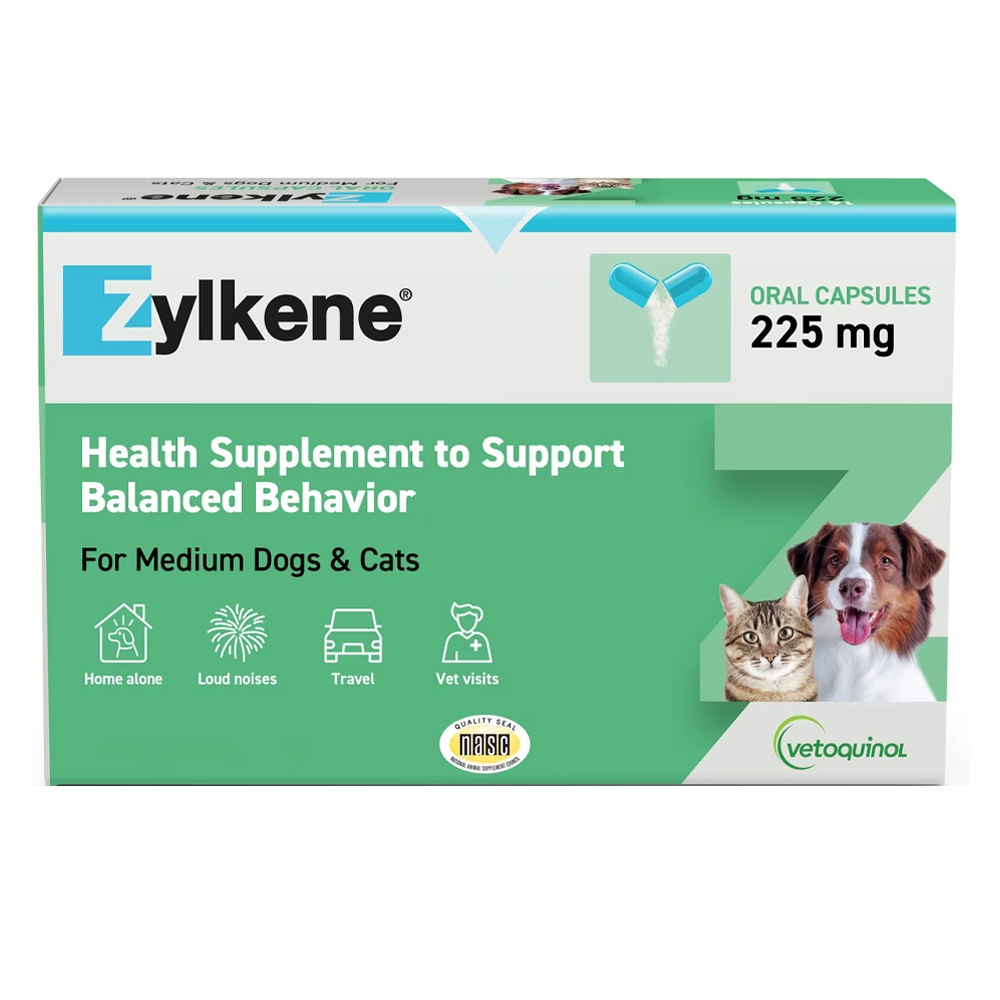
Zylkene Calming Supplement for Medium Dogs 225mg, 20 Tablets
$55.89
*Affiliate link

Dog Cat Heating Pad Pressure Activated 18 X 22 Pet Heat Pack Automatic Electric Heated Bed Mat for Indoor Warming Pad Chew Resistant Cord, Adjustable Temperature Waterproof Washable
$40.90
*Affiliate link
Frequently asked questions
Is it normal for senior dogs to pant at night?
Occasional panting can be normal, but persistent or unexplained nighttime panting in an older dog is usually a sign of an underlying issue — pain, cognitive dysfunction, a hormonal disorder, or a heart or breathing problem. It's always worth a veterinary evaluation to find out what's causing it.
My old dog pants heavily at night but seems fine during the day. Why?
This pattern is very common with pain (especially arthritis) and cognitive dysfunction. During the day, activity and distraction keep discomfort manageable. At night, when the dog lies still and the environment is quiet, pain intensifies as joints stiffen and the dog may become disoriented. Cushing's disease can also cause around-the-clock panting that's most noticeable when you're trying to sleep.
What are the signs that my senior dog's nighttime panting is an emergency?
Seek emergency veterinary care immediately if your dog has blue, gray, or pale gums; extreme distress or crying; a bloated, hard abdomen; collapse or profound weakness; or panting that looks like genuine labored breathing with the belly and ribs heaving. These signs can indicate heart failure, internal bleeding, bloat, or severe respiratory distress — all life-threatening.
Could my dog's medication be causing nighttime panting?
Yes, absolutely. Corticosteroids like prednisone are one of the most common causes of medication-related panting in dogs. Other medications can also contribute. If the panting started around the same time as a new medication or a dose change, call your vet to discuss it — there may be an alternative or an adjustment that helps.
How do I know if my senior dog has canine cognitive dysfunction causing the panting?
CDS-related panting tends to be worst in the evening and nighttime hours and is often accompanied by pacing, disorientation, staring at walls, changes in sleep patterns, and house training lapses. Your veterinarian can assess your dog using behavioral evaluation tools and by ruling out other medical conditions. There are both prescription options and supplements that may help — your vet is the right person to guide the treatment plan.