Why Is My Senior Dog Anxious at Night? Causes and Calming Solutions
Nighttime anxiety in senior dogs is more common than most owners realize, and it's rarely "just old age." Learn the most likely causes—including cognitive dysfunction, pain, and hearing loss—and find the calming products and routines that actually help aging dogs sleep through the night.
12 min read · Updated 7/24/2026 · by Rafael Marques
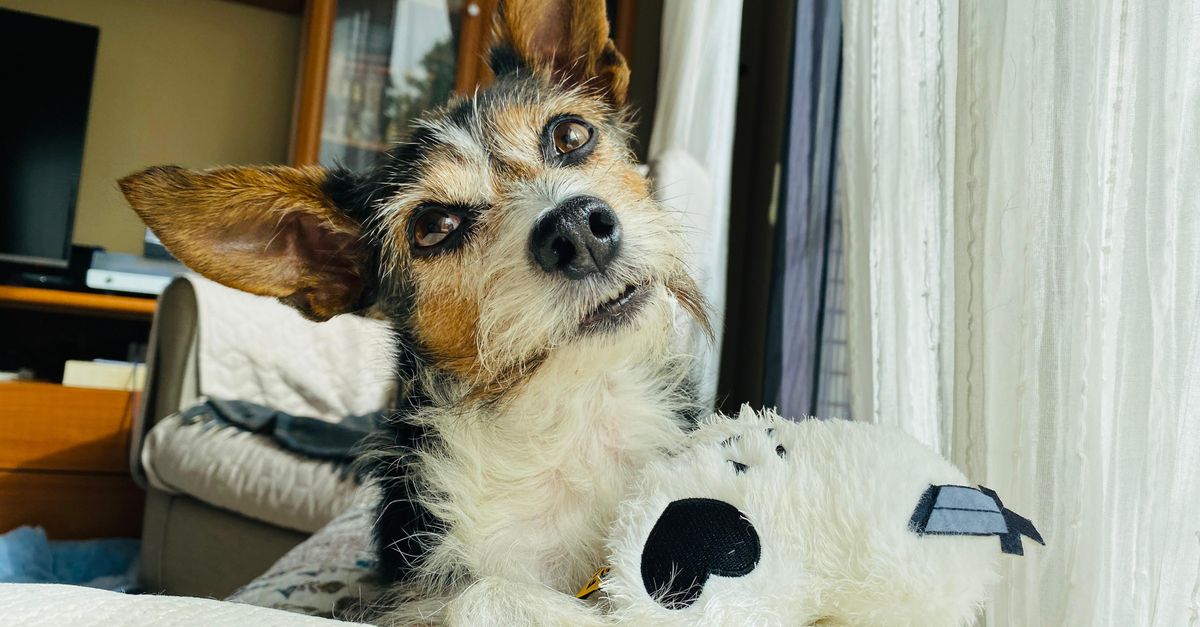
If you've found yourself Googling why is my senior dog anxious at night, you're probably running on a few too many sleepless hours yourself. You're watching your older dog pace the bedroom floor, whine for no obvious reason, or press himself against you in a way he never used to—and it starts right around bedtime, every single night. It's exhausting, and it's heartbreaking.
Here's the reassuring truth: nighttime anxiety in senior dogs is extremely common, it has real, identifiable causes, and there are genuinely effective solutions—both behavioral and product-based—that can bring peace back to your household. This guide walks you through everything, from the most likely medical reasons to the best calming aids on the market right now.
Always consult your veterinarian first. Sudden or worsening nighttime anxiety in an older dog is a medical symptom until proven otherwise. A vet visit is step one—not step three.
Quick Picks: Best Calming Solutions for Senior Dogs at Night
📝 Editor's note: Some people actually find it kind of adorable when their older dogs twitch and move around in their sleep, but honestly, those nighttime movements can be a lot more than just a good dream about chasing squirrels — they can be something none of us really want to deal with.
Before we dig into the "why," here's a fast reference for owners ready to act:
| Product Type | Best For |
|---|---|
| Calming pheromone diffuser (e.g., Adaptil) | Dogs with generalized anxiety, separation distress, or CDS |
| Orthopedic memory foam dog bed | Dogs whose nighttime restlessness is driven by joint pain or arthritis |
| Melatonin chews (dog-formulated) | Dogs with mild sleep-cycle disruption or noise sensitivity |
| Calming supplement with L-theanine or ashwagandha | Dogs needing daily, long-term anxiety support without sedation |
Why Senior Dogs Get Anxious at Night: The Real Causes
Nighttime anxiety doesn't come out of nowhere. In older dogs, it almost always has a root cause—and often more than one overlapping cause. Understanding what's driving the behavior is the fastest path to the right solution.
1. Canine Cognitive Dysfunction Syndrome (CDS)
This is the number-one reason veterinarians point to when senior dogs suddenly start acting confused, restless, or panicked at night. Canine Cognitive Dysfunction Syndrome is essentially the dog equivalent of Alzheimer's disease, and it affects an estimated 28% of dogs aged 11–12 and up to 68% of dogs aged 15–16, according to research published in the Journal of Veterinary Behavior.
A dog with CDS may:
- Wake up at 2 a.m. and pace aimlessly
- Get "stuck" in corners or behind furniture
- Vocalize (whine, bark, or howl) for no apparent reason
- Seem disoriented or not recognize familiar people
- Have a completely reversed sleep-wake cycle—sleeping all day, awake all night
The nighttime component is significant because dogs with CDS lose the ability to regulate their internal clock. Darkness and quiet actually increase disorientation because there are fewer environmental cues to help them orient themselves.
What helps: A nightlight in the sleeping area, consistent bedtime routines, pheromone diffusers, and veterinarian-prescribed medications like selegiline (Anipryl) or supplements like Aktivait or Senilife. Prescription solutions are your vet's call—not something to self-manage.
2. Chronic Pain, Arthritis, and Mobility Discomfort
Dogs are stoic. Your senior dog may be managing significant joint pain all day without showing obvious signs—but the moment he lies down for the night, the relief he felt while moving disappears, and the aches set in. Osteoarthritis affects roughly 80% of dogs over age 8, yet many owners don't realize it until a vet points it out on an X-ray.
Signs that pain is behind the nighttime anxiety:
- Difficulty settling into a comfortable position (circling, lying down, getting up repeatedly)
- Whimpering or groaning when lying down or rising
- Preferring hard floors over a soft bed (or vice versa)
- Limping or stiffness in the morning
What helps: A best orthopedic dog bed for hip dysplasia sized appropriately for your dog's weight, ramps or steps to prevent jumping, and a vet-guided pain management plan (which may include NSAIDs, joint supplements like fish oil or glucosamine, or laser therapy).
3. Hearing Loss and Sensory Decline
A dog who has lost significant hearing is essentially operating in a sensory vacuum at night. Without the ambient sounds of a home—TV, family movement, traffic—the world goes completely silent, and that silence is deeply unsettling for many older dogs. They may startle awake at vibrations they can't identify or become hypervigilant in a way that reads as anxiety.
Similarly, dogs experiencing vision loss (from cataracts or progressive retinal atrophy, common in seniors) find nighttime navigation terrifying. A dog who managed fine in familiar daylight suddenly can't find the water bowl or locate you in the dark.
What helps: Night lights throughout the sleeping area and hallways, keeping furniture in the same position, and maintaining a consistent physical routine so the dog memorizes the layout of the home by feel.
4. Urinary or Gastrointestinal Discomfort
Senior dogs frequently develop urinary incontinence, weakened bladder sphincter muscles, or increased urgency due to conditions like urinary tract infections, kidney disease, or Cushing's disease. A dog who needs to go but can't communicate it—or who has an accident and then feels distressed—will show up as "anxious" at night.
Gastrointestinal discomfort (gas, reflux, or constipation) also tends to peak when a dog is lying still and inactive.
What helps: A late-evening bathroom break (as late as possible before bed), easy access to the outdoors or a pee pad, and a vet workup to rule out UTIs or metabolic disease.

Zylkene Calming Supplement for Medium Dogs 225mg, 20 Tablets
$55.89
*Affiliate link
5. Separation Anxiety—Amplified by Age
Dogs who had mild separation anxiety in younger years often see it worsen significantly as they age. Cognitive changes, increased physical vulnerability, and greater emotional dependency on their people can combine to make a senior dog genuinely panicked when left alone—or even when left in another room at night.
This is especially common in dogs who have recently lost a companion animal, experienced a household change, or gone through a move.
What helps: Calming pheromone diffusers, consistent presence (consider a dog bed beside your own bed if you haven't already), gradual desensitization, and in severe cases, anti-anxiety medication prescribed by your vet.
6. Thyroid Disease and Other Medical Conditions
Hypothyroidism and hyperthyroidism (more common in cats, but it does occur in dogs) can both cause behavioral changes including nighttime restlessness and anxiety. Cushing's disease, which causes elevated cortisol, is notoriously associated with behavioral changes, excessive panting at night, and disturbed sleep.
This is why a vet visit—including bloodwork—is non-negotiable before you write nighttime anxiety off as "just getting old."
Calming Solutions That Actually Work for Senior Dogs
Once you have a vet's input on the underlying cause, you can layer in calming strategies and products. Here's a breakdown by category.
Calming Products: An Honest Buyer's Guide
Pheromone Diffusers and Sprays
Best for: CDS-related anxiety, generalized nighttime restlessness, dogs with separation distress
How they work: Synthetic versions of the "dog appeasing pheromone" (DAP) that nursing mother dogs naturally produce. These are odorless to humans but signal safety and calm to dogs.
Top pick: Adaptil Calm Home Diffuser is the most studied option, with multiple peer-reviewed trials supporting its effectiveness. Plug it in near your dog's sleeping area and replace the refill monthly.
Pros: Drug-free, easy to use, no side effects, safe for dogs of all ages
Cons: Takes 2–4 weeks to reach full effect; doesn't work for every dog (roughly 60–70% response rate)
Price tier: ~$25–$40 for starter kit; ~$18–$22 for refills
Who it's best for: Senior dogs with mild to moderate anxiety, especially those showing CDS signs or stress after a household change.
Orthopedic Dog Beds
Best for: Dogs whose nighttime restlessness is rooted in joint pain or arthritis
A quality orthopedic bed isn't a luxury for a senior dog—it's a medical tool. Look for:
- 4–6 inches of high-density memory foam (cheap "orthopedic" beds use egg-crate foam that bottoms out)
- A waterproof inner liner (critical for dogs with incontinence)
- Low-entry bolster or flat design (raised sides can be hard to climb over for arthritic dogs)
- Washable, non-slip cover
Top picks:
- Big Barker 7" Orthopedic Dog Bed – Clinical trial-proven to reduce joint pain and stiffness in large dogs over 50 lbs; pricey (~$250–$300) but backed by a 10-year warranty and real research. Best for large and giant breeds.
- Furhaven Orthopedic Dog Bed – Budget-friendly (~$35–$80), good foam quality for small-to-medium seniors under 50 lbs; replace more frequently.
Pros of investing in a quality bed: Measurable reduction in limping and stiffness, better sleep, calmer nights
Cons: Higher upfront cost for true orthopedic quality; large beds can be hard to fit in small bedrooms
Calming Supplements
Best for: Daily, long-term anxiety management without sedation
Look for ingredients with evidence behind them:
- L-theanine – An amino acid found in green tea; shown in several studies to reduce anxiety without causing drowsiness. Found in products like Zylkene and Composure.
- Melatonin – Helps regulate the sleep-wake cycle; particularly useful for dogs with reversed day-night cycles from CDS. Always buy dog-specific formulas without xylitol. Dosing guidance must come from your vet.
- Ashwagandha – An adaptogen increasingly showing up in premium pet supplements; helps blunt the cortisol response to stress.
- Valerian root and chamomile – Traditional calming herbs; mild effect, generally well tolerated in seniors.
Top picks:
- Zylkene (alpha-casozepine) – A hydrolyzed milk protein supplement with genuine clinical data; great for senior dogs starting a new calming protocol. Available in capsules you can sprinkle on food.
- VetriScience Composure Chews – Widely available, palatable, and contain L-theanine + thiamine + colostrum. Good daily option for moderately anxious senior dogs.
- Nutramax Solliquin – Contains L-theanine, magnolia/phellodendron complex, and whey protein concentrate. Strong evidence base for dogs with moderate anxiety.
Honest trade-off: Supplements are not as powerful as prescription anti-anxiety medication. If your senior dog is truly distressed at night, supplements may take the edge off but won't fully resolve severe CDS-related anxiety on their own.
Anxiety Wraps (Pressure Garments)
Best for: Dogs triggered by specific nighttime sounds (storms, fireworks, neighborhood noise)
The Thundershirt is the best-known option and works on the same principle as swaddling an infant—gentle, constant pressure calms the nervous system. It's most effective for situational anxiety rather than CDS-related confusion.
Pros: Immediate, drug-free, reusable, affordable (~$45–$55)
Cons: Needs to be applied before anxiety peaks; less effective for chronic nightly anxiety not tied to a specific trigger
White Noise Machines
Best for: Dogs with hearing loss who startle easily, or dogs disturbed by household/neighborhood sounds at night
A consistent, low-level white noise or pink noise in the sleeping area can smooth out the jarring quiet-to-sound transitions that wake an anxious senior dog. Inexpensive ($25–$60) and easy to try with zero risk.
Environmental and Routine Changes That Make a Real Difference
Products help, but they work best alongside good nighttime management:
- Strict bedtime routine: Feed, walk, and settle at the same time every night. Predictability is deeply calming for senior dogs with cognitive decline.
- Night lights: Plug-in LED night lights in the hallway, sleeping area, and near the water bowl. A dog who can see where he is wakes up far less panicked.
- Sleep close to your dog: If your senior dog has ramped-up separation distress, moving his bed into your bedroom (if it isn't already) can dramatically reduce nighttime vocalization.
- Late bathroom break: Take your senior dog out as late as possible—within 30 minutes of your own bedtime. Bladder discomfort is an underrated cause of nighttime waking.
- Mental enrichment during the day: A dog who is mentally and physically stimulated (within his limits) during daylight hours is far less likely to be awake and anxious at 3 a.m. Short, slow sniff walks count enormously for senior dogs.
- Limit diet changes close to bedtime: GI upset is a real nighttime disruptor. Stick to your senior dog's regular food on a consistent schedule.
When to Go Back to the Vet (Don't Wait)
See your veterinarian promptly—or urgently—if:
- The nighttime anxiety is sudden or severe in onset (not gradual)
- Your dog is panting heavily at night with no temperature explanation
- There is vocalization that sounds like pain (sharp yelps, continuous moaning)
- Your dog seems disoriented, is bumping into things, or has had a seizure
- Nothing you've tried at home has helped within 2–3 weeks
A veterinarian can offer prescription solutions—including trazodone, gabapentin, selegiline, or melatonin at therapeutic doses—that are simply not available over the counter and can make an enormous difference for severely affected dogs. This is not something to manage on your own when a dog is clearly suffering.
Building Your Senior Dog's Nighttime Calming Plan: A Buyer's Checklist
Before purchasing, work through this checklist:
- Has my vet ruled out pain, UTI, thyroid disease, Cushing's, and CDS as causes?
- Do I know whether my dog's anxiety is every night (chronic) or situational (tied to sounds/triggers)?
- Is my dog's current sleeping surface truly supportive for his age and weight?
- Have I tried a consistent bedtime routine for at least 2 weeks?
- Does my dog sleep in isolation, or close to family?
- Have I considered a pheromone diffuser in the sleeping space?
- Is a calming supplement appropriate, and have I confirmed the formula is xylitol-free?
- For moderate-to-severe anxiety, have I asked my vet about prescription options?
Final Thoughts
A senior dog who is anxious at night is communicating something real—confusion, pain, fear, or physical discomfort. The good news is that with the right diagnosis and a thoughtful combination of environmental changes, calming products, and (when needed) veterinary intervention, most senior dogs can be helped significantly. You don't have to accept sleepless nights as an inevitable part of having an old dog. With patience and the right tools, both of you can rest easier.
⚕️ Important: This article is for information only and isn't a substitute for advice from a licensed veterinarian. Always talk to your vet before changing your senior pet's diet, supplements, or treatment.
Recommended products
Zylkene Calming Supplement for Medium Dogs 225mg, 20 Tablets
$55.89
*Affiliate link

SEGMINISMART CEVA Animal Health D59010B Senilife Nutritional Supplement for Elderly Dogs - 30 capsules/box
$42.99
*Affiliate link

Canine Cognitive Support Soft Chews for Dogs - Great Tasting Health Supplement with B Vitamins and Antioxidants to Support The Brain Health of Your Senior Dog - 90 Soft Chews
$62.00
*Affiliate link
Frequently asked questions
Is nighttime anxiety in senior dogs a sign of dementia?
It can be. Canine Cognitive Dysfunction Syndrome (CDS)—the dog equivalent of dementia—is one of the most common causes of nighttime restlessness and pacing in older dogs. Signs like waking in the night confused, vocalizing for no clear reason, or sleeping all day and being awake all night are classic CDS indicators. However, pain, hearing loss, UTIs, and hormonal conditions can cause identical symptoms, so a vet evaluation is essential before assuming CDS is the cause.
What can I give my senior dog to calm him down at night?
Over-the-counter options that many senior dog owners find helpful include pheromone diffusers (like Adaptil), calming chews containing L-theanine or alpha-casozepine (like Composure or Zylkene), dog-formulated melatonin, and anxiety wraps like the Thundershirt. For more significant anxiety, your vet can prescribe medications such as trazodone, gabapentin, or selegiline. Never give your dog human sleep aids or supplements containing xylitol. Always check with your vet before starting any new supplement.
Why did my dog suddenly start being anxious at night in old age?
Sudden onset nighttime anxiety in an older dog is almost always medically significant. The most common culprits are Canine Cognitive Dysfunction Syndrome, arthritis pain that worsens when lying still, urinary tract infections, Cushing's disease, or thyroid dysfunction. A sudden change in behavior in a senior dog warrants a veterinary visit, including bloodwork, to rule out underlying illness before trying behavioral or supplement-based interventions.
Should I let my anxious senior dog sleep in my bed?
For many senior dogs with separation distress or CDS-related disorientation, sleeping in the same room as their owner—whether on a dog bed or the human bed—significantly reduces nighttime anxiety and vocalization. There's no medical reason to keep a senior dog out of the bedroom if both owner and dog are comfortable with it. A supportive orthopedic dog bed placed beside your bed is often the best compromise: your dog gets closeness and security without disrupting your own sleep.
How long does it take for calming products to work in senior dogs?
It depends on the product. Anxiety wraps like the Thundershirt can work within minutes for situational anxiety. Pheromone diffusers like Adaptil typically require 2–4 weeks of consistent use before you see meaningful results. Calming supplements (L-theanine, Zylkene, Composure) generally need 4–6 weeks of daily use to show full effect. Prescription medications prescribed by your vet may work faster for severe cases. Give any new calming protocol at least 3–4 weeks of consistent use before deciding it isn't working.