Tear Stains in Senior Dogs: Causes and Treatment Guide
Tear stains in senior dogs are more than a cosmetic nuisance — they can signal underlying age-related health changes that deserve attention. This guide covers the most common causes, the best at-home treatments, and when it's time to call your vet.
11 min read · Updated 7/23/2026 · by Rafael Marques
Why Tear Stains Are a Senior Dog Issue Worth Taking Seriously
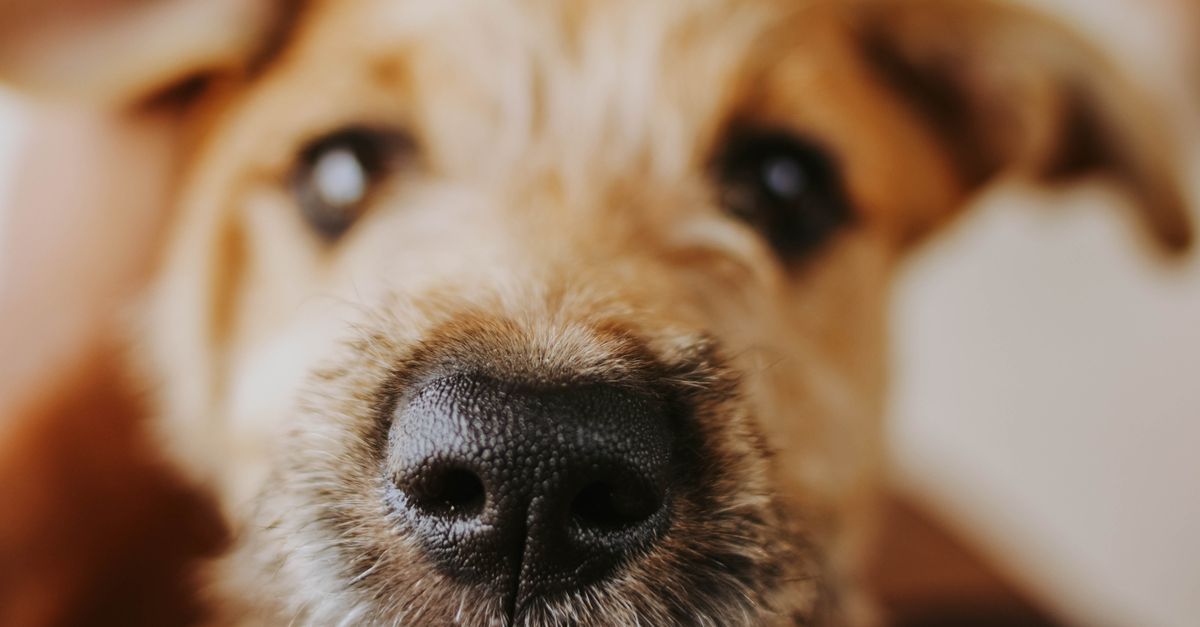
If you've noticed rusty-brown streaks forming beneath your older dog's eyes, you're not alone. Tear stains in senior dogs are one of the most common concerns pet owners bring up — and they become significantly more noticeable as dogs age. While tear staining can affect dogs of any age, older dogs are especially prone to it because of the compounding effects of aging: changes in immune function, shifts in diet needs, dental disease, and the gradual weakening of the muscles and tissues around the eye.
That reddish-brown discoloration is caused by a compound called porphyrin — an iron-containing molecule found in tears, saliva, and urine. When tears overflow onto the fur and sit there for extended periods, the porphyrins oxidize and stain the coat. The longer the moisture stays on the fur, the darker and more deeply set the stain becomes. In senior dogs, this process is often accelerated by increased tear production, weaker drainage pathways, or underlying health conditions that wouldn't have been a factor in their younger years.
This guide will walk you through the specific causes of tear staining in aging dogs, practical and proven treatments you can start at home, and the products worth your money — along with a clear checklist for choosing what's right for your dog.
Quick Picks: Best Tear Stain Solutions for Senior Dogs
📝 Editor's note: I've always been curious about this — I have two senior dogs, a Lhasa Apso and a Shih Tzu, and I've always made a point of wiping around their eyes because of those tear stains. But the more I've learned, the more I realize that just cleaning the area isn't really enough on its own — there's a lot more to caring for their eyes as they get older.
For those ready to take action, here's a snapshot of the top options before we dive into the full breakdown:
- Angel's Eyes Natural Soft Chews — Best daily supplement for small-to-medium seniors prone to chronic overflow tears
- Burt's Bees Tear Stain Remover for Dogs — Best gentle wipe for sensitive senior skin around the eye area
- Vetericyn Plus Eye Wash — Best eye rinse for flushing irritants and reducing tear volume in older dogs
- TropiClean Spa Tear Stain Remover — Best topical solution for removing already-set stains during grooming
What Causes Tear Stains in Senior Dogs?
Understanding the why behind tear staining in your older dog is the first step toward choosing the right treatment. In senior dogs specifically, the causes are often layered — it's rarely just one thing.
Age-Related Changes in Tear Drainage
Dogs have a small drainage duct at the inner corner of each eye called the nasolacrimal duct. As dogs age, this duct can narrow or become less efficient due to natural tissue changes, inflammation, or low-grade chronic irritation. When tears can't drain properly, they overflow down the face — and that overflow is what sets the staining process in motion.
Dental Disease and Gum Inflammation
This one surprises a lot of owners. Dental disease — which affects an estimated 80% of dogs over age 3 and is nearly universal in seniors — creates chronic inflammation that can spread to the tissues near the eye socket. The roots of the upper teeth sit remarkably close to the tear duct anatomy. Infected or inflamed gums and teeth can compress or irritate tear drainage pathways, leading to increased overflow. If your senior dog's tear staining has worsened alongside bad breath or visible tartar buildup, a dental cleaning may produce a dramatic improvement in the staining.
Allergies That Worsen With Age
Environmental allergies (dust, pollen, mold) don't go away as dogs get older — in many cases, they accumulate. Chronic low-grade allergic responses cause persistent eye irritation and increased tear production. Food sensitivities can also develop or intensify in senior years as the digestive system and immune function shift. Best senior dog food for sensitive stomach options are often a good starting point when diet-driven allergies contribute to tear staining.
Eye Conditions More Common in Senior Dogs
Several eye conditions become more prevalent with age and directly increase tearing:
- Dry Eye (Keratoconjunctivitis Sicca or KCS) — counterintuitively, when the eye doesn't produce enough quality tears, the body overproduces watery compensatory tears that overflow
- Entropion (eyelid rolling inward) — can worsen in older dogs as facial muscle tone decreases, particularly in breeds like Shar-Peis, Bulldogs, and Cocker Spaniels
- Glaucoma and cataracts — both cause irritation and increased tearing as they progress
- Corneal ulcers — more common in senior dogs and very painful; always a veterinary emergency
Breed Predisposition That Doesn't Fade With Age
Brachycephalic (flat-faced) breeds like Shih Tzus, Bulldogs, Pugs, and Maltese, as well as small breeds like Bichon Frises, Toy Poodles, and Cavalier King Charles Spaniels, are genetically predisposed to epiphora (chronic tear overflow). These structural factors don't improve with age — they often worsen as tissue elasticity declines.
Water Quality and Diet
High-mineral water (especially well water) can increase porphyrin levels in tears. Switching to filtered water is one of the cheapest and most frequently recommended first steps for managing tear staining naturally. Similarly, what to feed an aging dog plays a significant role — low-quality senior formulas with artificial dyes, fillers, and low-grade proteins can contribute to the problem from the inside out.
Treatment Options for Tear Stains in Senior Dogs
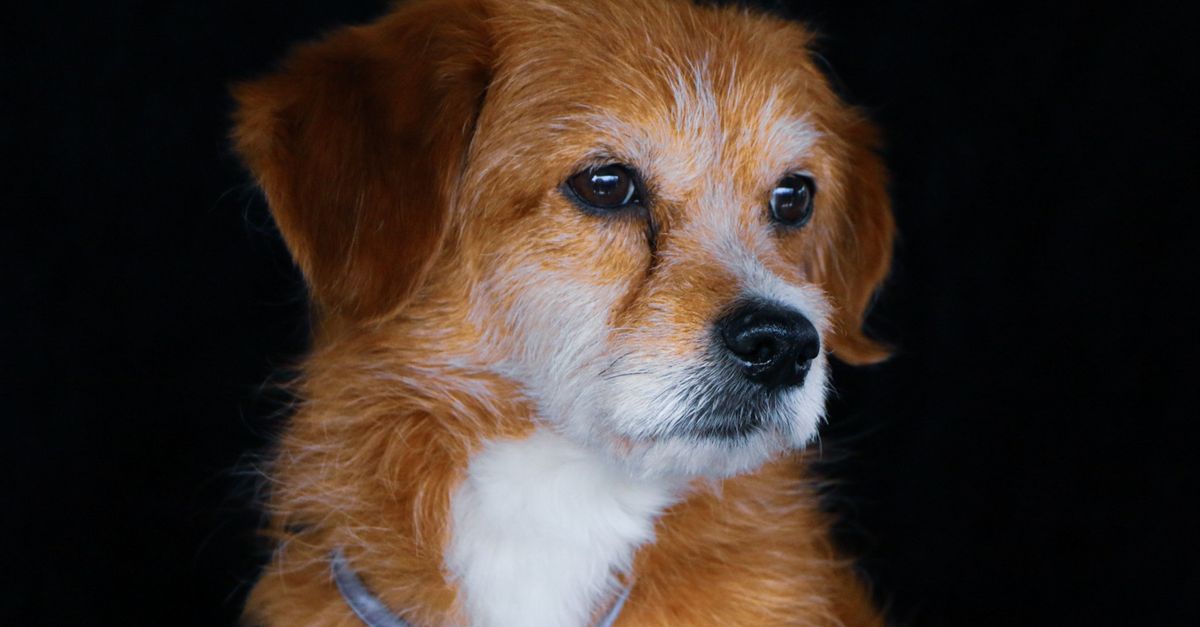
There's no single solution that works for every dog — and that's especially true for seniors whose staining may have multiple overlapping causes. The most effective approach combines daily hygiene, dietary support, and sometimes veterinary-guided intervention.
1. Daily Cleaning and Grooming
Keeping the fur around your dog's eyes clean and dry is the single most impactful thing you can do to prevent staining from setting in. For senior dogs with sensitive skin — which is most of them — look for products that are:
- Fragrance-free and alcohol-free (alcohol stings and dries aging skin)
- Formulated specifically for use around the eye area
- pH-balanced for dogs (not human products like baby wipes)
Burt's Bees Tear Stain Remover is a solid go-to. It uses chamomile extract to gently loosen and lift staining without irritating the delicate periocular skin. Use a soft cotton ball or gauze pad — never rough cloth — and wipe in the direction the hair grows, not against it. Daily wiping, even when staining seems minor, prevents the oxidation buildup that makes stains permanent.
Pro tip for seniors: Many older dogs become more touch-sensitive around their eyes as they age. Make cleaning a positive experience with a high-value treat reward every single time. Consistency matters more than the product you choose.
2. Tear Stain Supplements
Oral supplements are designed to reduce the porphyrin content in tears, making them less likely to stain even if overflow continues. The most popular and widely reviewed category includes chews or powders that contain ingredients like cranberry extract, marshmallow root, Oregon grape root, and eyebright herb.
Angel's Eyes Natural Soft Chews are among the most widely used in this category and are specifically formulated without the antibiotic tylosin (which was found in some earlier tear stain supplements and is no longer considered appropriate for cosmetic use). These chews work best for dogs where overflow tearing is the primary issue — they reduce the stain-causing compounds rather than fixing the volume of tearing itself.
Results typically take 3–8 weeks to become visible, so patience is important. They're best suited for small-to-medium senior dogs (under 50 lbs) where chronic mild tearing is the primary driver. If joint or mobility issues are also a concern, consider pairing them with best joint supplements for senior dogs as part of a comprehensive wellness approach.
Always consult your veterinarian before starting any supplement, especially for senior dogs who may already be on medications for heart, kidney, or joint conditions common in aging pets.
3. Eye Rinses and Washes
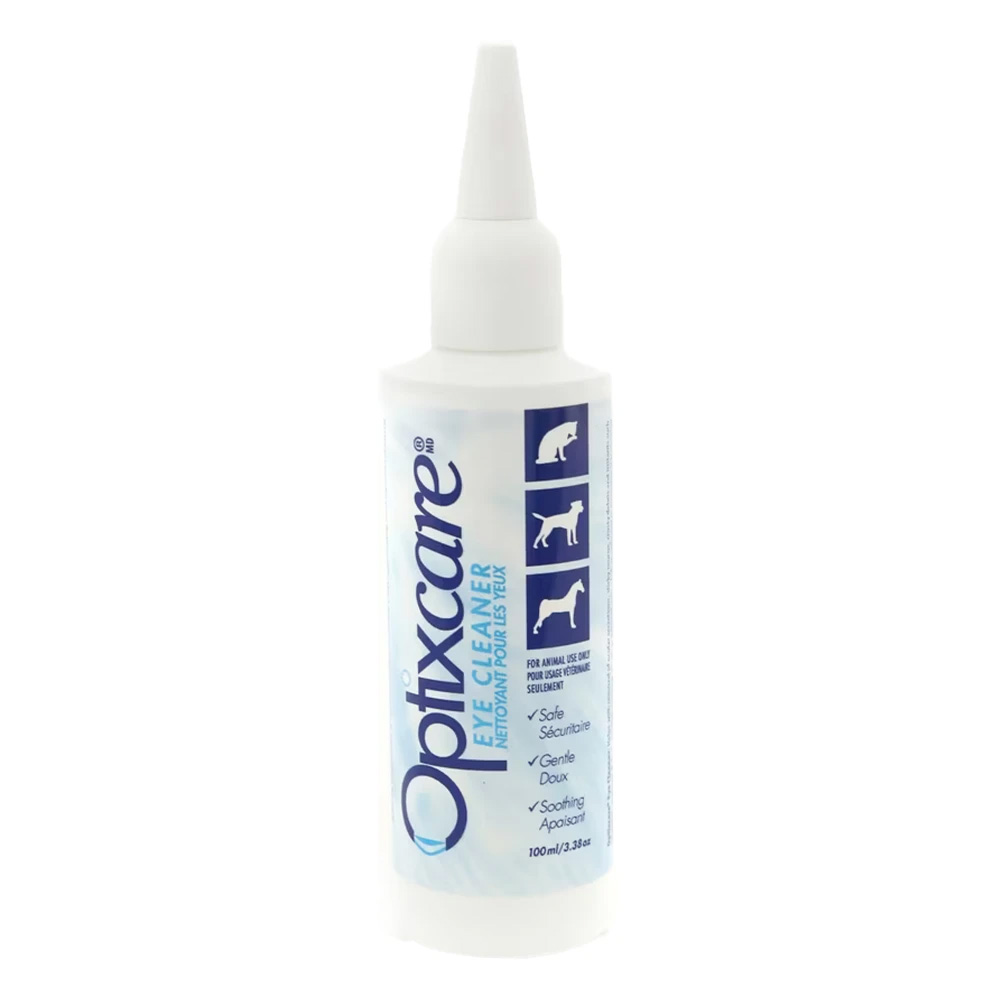
A daily or every-other-day eye rinse helps flush out allergens, dust, and irritants that stimulate excess tearing in the first place. This is especially helpful for seniors who spend time in dusty environments or have diagnosed environmental allergies.
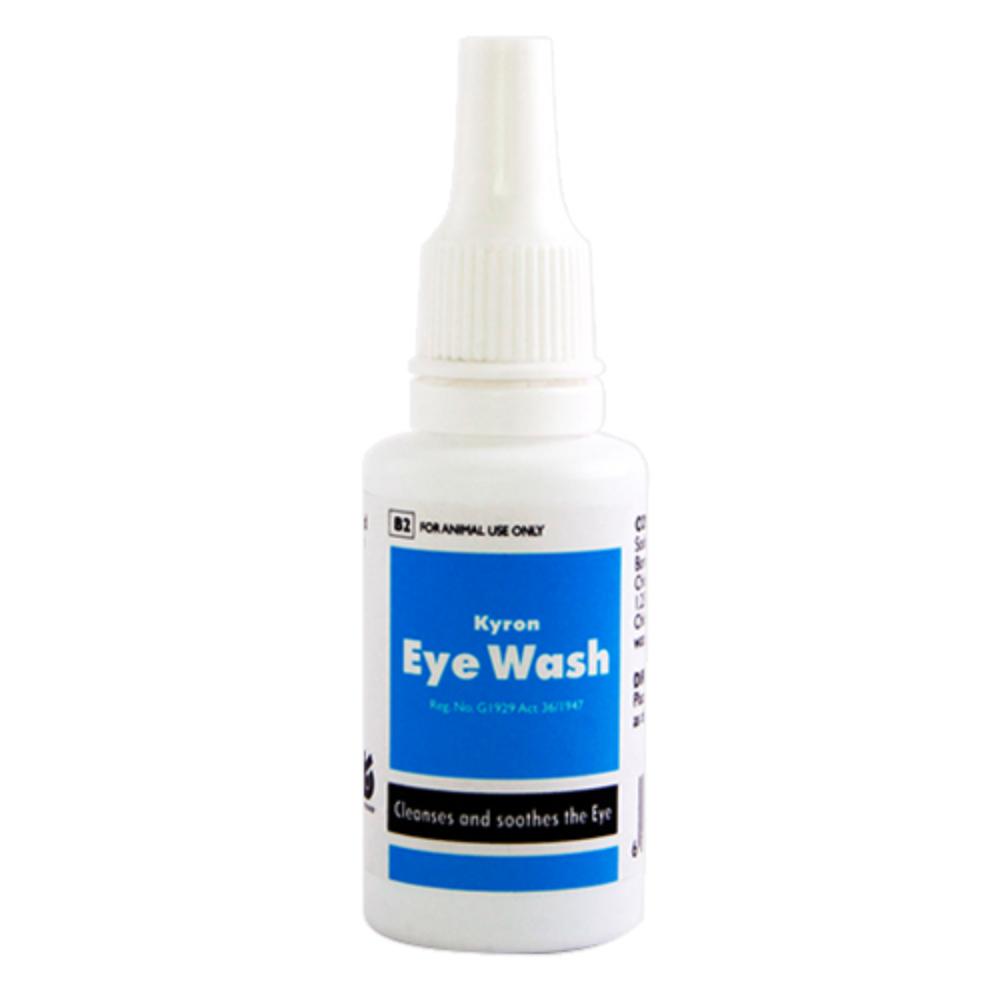
Vetericyn Plus Eye Wash is a veterinarian-recommended, non-stinging saline-based formula that's safe for regular use. It won't treat an underlying condition, but for dogs whose tearing is partly driven by low-level irritation, consistent flushing can meaningfully reduce the volume of tears and subsequent staining.
How to use it safely with a senior dog: Hold the bottle at an angle so the rinse flows across the eye surface and out — not directly into the eye with pressure. Use a clean gauze pad to wipe away any discharge before applying. If your dog resists or squints noticeably, stop and schedule a vet visit — squinting can indicate pain.
4. Topical Stain Removers
If staining is already embedded in the fur (that dark crusty buildup at the inner corner of the eye), you'll need something to break it down. TropiClean Spa Tear Stain Remover is a leave-in solution that can be worked gently into the stained fur during grooming sessions to lift and lighten the discoloration over time.
Important caution: Never use products containing hydrogen peroxide near a senior dog's eyes. Despite appearing in some DIY recommendations online, hydrogen peroxide is highly irritating to eye tissue and can cause serious damage, particularly in older dogs with already-compromised eye health.
5. Dietary and Water Changes
Switching to filtered or bottled water is free (relatively) and frequently recommended by veterinarians and groomers as a first intervention. High iron content in tap water feeds porphyrin production.
Upgrading your senior dog's diet to a high-quality, limited-ingredient senior formula free of artificial dyes and cheap fillers can reduce tear staining driven by food sensitivities. Look for whole protein sources listed first (chicken, salmon, turkey), no artificial coloring, and added antioxidants like Vitamin E and C to support eye health in aging dogs.
When to See the Veterinarian
Tear staining in senior dogs isn't always just cosmetic. You should schedule a veterinary appointment if you notice:
- Sudden onset or rapid worsening of staining — this signals a new underlying issue
- Yellow, green, or thick discharge alongside the staining — indicates possible infection
- Squinting, pawing at the eye, or visible redness — signs of pain or corneal involvement
- One eye staining significantly more than the other — asymmetry often points to a localized problem
- Foul smell from the stained area — can indicate a secondary yeast or bacterial skin infection in the moist fur
Your vet may recommend a Schirmer tear test (to measure tear production), a fluorescein stain test (to check for corneal ulcers), or a nasolacrimal duct flush to check for blockages — all of which are straightforward in-office procedures.
Buyer's Checklist: What to Look for in Tear Stain Products for Senior Dogs
Before buying any tear stain product for your older dog, run through this quick checklist:
- ✅ Safe for use around the eyes — check the label explicitly; not all "dog grooming" products are eye-safe
- ✅ Free of alcohol, hydrogen peroxide, and artificial fragrances — these are too harsh for senior skin and eye tissue
- ✅ Free of tylosin or other antibiotics for cosmetic use — these are not appropriate for long-term use
- ✅ Formulated for dogs, not repurposed human products
- ✅ Positive veterinary reviews or recommendations where available
- ✅ Age-appropriate — if the product recommends a minimum age (e.g., 12 weeks), check if it's also appropriate for geriatric dogs with health conditions
- ✅ Consider your dog's size — dosing for supplements varies significantly between a 10 lb Maltese and a 70 lb Labrador
Honest Comparison: Products at a Glance
| Product | Type | Best For | Price Tier | Vet-Safe? |
|---|---|---|---|---|
| Angel's Eyes Natural Chews | Supplement | Chronic mild tearing, small-medium seniors | Mid ($$$) | Yes (tylosin-free) |
| Burt's Bees Tear Stain Remover | Wipe/solution | Daily cleaning, sensitive skin | Low ($) | Yes |
| Vetericyn Plus Eye Wash | Eye rinse | Allergy/irritant-driven tearing | Mid ($$) | Yes |
| TropiClean Spa Tear Stain Remover | Topical | Embedded, already-set stains | Low-Mid ($$) | Yes (external only) |
The budget pick: Burt's Bees is inexpensive, widely available, and works remarkably well for dogs where consistent daily cleaning is the main gap. Start here if you're unsure.
The best all-around combo for most senior dogs: Daily wiping with Burt's Bees + filtered water + a switch to a cleaner senior diet. Add Angel's Eyes Natural Chews only after ruling out medical causes with your vet.
Final Thoughts
Tear stains in senior dogs are almost always manageable — but the best approach depends on knowing what's actually driving the problem. Don't just treat the stain; look at the whole picture. Your aging dog's eyes are a window into their overall health, and what shows up on their fur can tell you a lot about what's happening underneath. When in doubt, your veterinarian is your most important partner in making sure those stains aren't masking something that needs medical care.
With the right routine, the right products, and a little patience, most senior dogs see meaningful improvement within a few weeks.
⚕️ Important: This article is for information only and isn't a substitute for advice from a licensed veterinarian. Always talk to your vet before changing your senior pet's diet, supplements, or treatment.
Recommended products
Frequently asked questions
Are tear stains in senior dogs a sign of a serious health problem?
Not always, but they can be. In senior dogs, tear staining that suddenly appears or worsens quickly can signal eye infections, dental disease, blocked tear ducts, or conditions like dry eye or glaucoma. Mild, gradual staining in a breed already prone to it is usually cosmetic — but any change in discharge color, sudden onset, or eye pain warrants a veterinary visit.
Can I use hydrogen peroxide to remove tear stains on my dog?
No — this is one of the most important things to avoid. Hydrogen peroxide is highly irritating to the delicate tissue around and near the eyes, and it's especially risky for senior dogs who may already have compromised eye health. Stick to products specifically formulated for use around dog eyes, like Burt's Bees Tear Stain Remover or veterinary-approved saline rinses.
How long does it take for tear stain treatments to work on older dogs?
It depends on the type of treatment. Daily wipes will visibly improve hygiene within days, but won't remove already-set staining quickly. Topical stain removers can lighten embedded stains over 2–4 weeks with consistent use. Oral supplements like Angel's Eyes typically take 3–8 weeks before you see a meaningful reduction in new staining. Patience and consistency are key.
My senior dog suddenly has tear stains on one eye only — should I be worried?
Yes, asymmetric tearing is worth taking seriously. When only one eye is affected, it often points to a localized problem: a blocked tear duct on that side, a foreign body in the eye, a corneal scratch or ulcer, or localized dental disease affecting the upper teeth on that side. See your veterinarian promptly rather than trying to treat it at home.
Is it safe to use tear stain supplements if my senior dog is already on medication?
Always check with your veterinarian before adding any supplement to a senior dog's regimen. Many older dogs are on medications for heart disease, kidney conditions, joint pain, or thyroid issues, and some supplement ingredients can interact with these medications or place additional strain on aging organs. Your vet can help you find a safe option that won't interfere with your dog's current treatment plan.