Best Acupuncture and Physical Therapy Options for Dogs with Arthritis (2026 Guide)
Arthritis is one of the most common conditions in senior dogs, but acupuncture and physical therapy can make a real difference in comfort and mobility. This guide covers the best evidence-backed treatment options, what to expect, and how to find qualified professionals near you.
13 min read · Updated 8/28/2026 · by Rafael Marques

Why Acupuncture and Physical Therapy Are Game-Changers for Arthritic Dogs
If your senior dog is slowing down on walks, struggling to climb stairs, or stiff after a nap, arthritis is likely the culprit. Canine osteoarthritis affects an estimated 1 in 5 adult dogs — and that number climbs sharply in dogs over age 7. While pain medication and best joint supplements for senior dogs are usually the first tools a vet reaches for, acupuncture and physical therapy have emerged as powerful, evidence-backed additions to any arthritis management plan.
The best acupuncture and physical therapy options for dogs with arthritis work not by replacing your vet's treatment plan, but by complementing it — reducing inflammation, improving muscle strength around aching joints, managing pain without added medication side effects, and dramatically improving your dog's quality of life. This guide walks you through every major treatment modality, what the science says, what to expect at a session, and how to find the right practitioner for your dog.
Always consult a licensed veterinarian before starting any new treatment plan for your arthritic dog. A proper diagnosis and baseline assessment are essential to choosing safe, appropriate therapies.
Understanding Canine Arthritis Before You Choose a Therapy
📝 Editor's note: Uma das mais antigas medicinas orientais ajuda muito no tratamento de artrite, até para os seres humanos, não podemos deixar de acreditar nestas soluções, ja está confirmado que isso ajuda muito os nossos velhos amigos.
What's Actually Happening in Your Dog's Joints
Canine osteoarthritis (OA) is a degenerative joint disease where the cartilage that cushions the ends of bones gradually breaks down. As cartilage thins, bone-on-bone contact causes pain, inflammation, and the formation of painful bone spurs (osteophytes). The joints most commonly affected in dogs include:
- Hips (especially common in Labrador Retrievers, German Shepherds, Golden Retrievers)
- Elbows (particularly in large and giant breeds)
- Knees (stifles) — often following ligament injuries
- Spine — causing back pain and hind-end weakness in older dogs of all sizes
Signs Your Dog Needs More Than Just Pain Meds
NSAIDs and other pain medications are important tools, but they carry risks — especially for kidneys and liver — when used long-term in senior dogs. You might want to explore physical therapy and acupuncture if your dog:
- Has been on NSAIDs for more than 3–6 months continuously
- Shows side effects like GI upset or changes in bloodwork
- Isn't responding well enough to medication alone
- Is a poor surgical candidate and needs conservative management
- Has lost significant muscle mass (muscle atrophy) around arthritic joints
Acupuncture for Dogs with Arthritis
How Canine Acupuncture Works
Veterinary acupuncture involves inserting very thin, sterile needles at specific points along the body to stimulate nerves, increase local blood flow, and trigger the release of the body's natural pain-relieving chemicals — including endorphins and serotonin. In dogs with arthritis, this can reduce joint inflammation, ease muscle tension around painful joints, and improve overall comfort.
Modern veterinary acupuncture blends traditional Chinese veterinary medicine (TCVM) principles with Western neuroanatomical understanding. Most certified practitioners today use an integrative approach — meaning they ground their needle selection in both ancient point maps and contemporary research on nerve pathways and myofascial trigger points.
What the Research Says
Acupuncture is one of the most studied complementary therapies in veterinary medicine. A 2022 review published in Frontiers in Veterinary Science concluded that acupuncture shows significant benefit for musculoskeletal pain in dogs, with improvements in gait, range of motion, and owner-reported quality of life scores. Studies using force plate analysis — a gold-standard objective measure — have shown that dogs with hip and elbow OA put more weight on treated limbs after a course of acupuncture, a concrete sign of real pain reduction.
Types of Veterinary Acupuncture
Dry Needling (Traditional Acupuncture)
The most common form. Hair-thin needles are placed at specific acupoints and left in place for 15–30 minutes. Most dogs relax significantly during the session — many actually fall asleep.
Electroacupuncture (EA)
A mild electrical current is passed between pairs of needles, enhancing the stimulation of nerve fibers. EA is particularly well-studied for pain management and is often preferred for moderate-to-severe arthritis cases. It tends to produce faster and stronger results than dry needling alone.
Aquapuncture
A small amount of vitamin B12 solution (or another injectable) is injected at acupoints rather than using a retained needle. Useful for dogs who won't stay still for traditional sessions, as the procedure takes only seconds.
Laser Acupuncture (Photobiomodulation at Acupoints)
Low-level laser is directed at acupoints instead of needles — completely needle-free. Best for extremely needle-sensitive or anxious dogs. Effect may be milder but is still clinically meaningful for mild arthritis.
What to Expect at Your Dog's First Acupuncture Session
- Intake (20–30 min): The practitioner reviews your dog's full medical history, performs a physical and often a TCVM examination (checking tongue color, pulse quality, and coat condition).
- Needle placement (5–10 min): Your dog lies or stands while 8–20 needles are placed. Most dogs show little reaction — a brief flinch at most.
- Rest period (15–30 min): Your dog relaxes with the needles in. Bring a favorite blanket or toy.
- Session frequency: Typically once weekly for 4–6 sessions, then reassessed. Maintenance sessions every 3–6 weeks are common for long-term management.
Finding a Certified Veterinary Acupuncturist
Credentials matter enormously here. Look for:

- CVA (Certified Veterinary Acupuncturist) — Awarded by the Chi Institute or the International Veterinary Acupuncture Society (IVAS) after 120–150+ hours of coursework and examinations
- CVSMT — Certified in veterinary spinal manipulation therapy (often paired with acupuncture)
- Your practitioner must be a licensed veterinarian — acupuncture performed by non-vets is illegal in most US states
Use the IVAS practitioner directory (ivasmembers.com) or the Chi Institute's referral page to find certified practitioners by zip code.
Physical Therapy (Canine Rehabilitation) for Dogs with Arthritis
Why Physical Therapy Works So Well for Arthritic Dogs
Canine physical therapy — formally called canine rehabilitation therapy — applies the same principles used in human sports medicine and orthopedic rehab to dogs. The goals for an arthritic dog are:
- Strengthen the muscles surrounding painful joints to absorb more impact and reduce stress on cartilage
- Improve range of motion in stiff joints through controlled, progressive movement
- Reduce inflammation using cold laser, ultrasound, or hydrotherapy
- Retrain movement patterns disrupted by chronic pain
- Achieve and maintain healthy body weight — every extra pound adds significant load to arthritic joints
A 2023 study in the Journal of Veterinary Internal Medicine found that dogs completing a 12-week canine rehabilitation program showed a 34% improvement in limb function scores and a 28% reduction in owner-reported pain indicators — without any changes to their medication regimens.
The Major Physical Therapy Modalities for Canine Arthritis
Therapeutic Exercise (Land-Based)
The cornerstone of any rehab program. A certified canine rehabilitation therapist (CCRT or CCRP) designs a progressive exercise plan tailored to your dog's specific joints, fitness level, and age. Common exercises include:
- Cavaletti poles (low poles to step over) — improve proprioception and controlled limb placement
- Weight shifting on balance discs — strengthen stabilizer muscles around hips and shoulders
- Three-legged standing — targeted strengthening for a specific limb
- Controlled leash walking on varied surfaces — builds muscle endurance without impact
- Sit-to-stand repetitions — the dog equivalent of a squat, excellent for rear-end weakness
Hydrotherapy (Underwater Treadmill / Swim Therapy)
This is arguably the most effective single physical therapy modality for arthritic dogs, and it's backed by some of the strongest evidence. Water buoyancy dramatically reduces the weight placed on painful joints while resistance builds muscle. Two main formats:
- Underwater Treadmill (UWTM): Your dog walks on a treadmill inside a tank filled with warm water (typically 86–92°F). The therapist adjusts water level to control how much body weight the dog bears — great for dogs that won't or can't swim.
- Pool Swim Therapy: Full swim sessions for dogs who enjoy water. Excellent cardiovascular and muscular workout with near-zero joint impact.
Most arthritic dogs — even those who dislike bathing — adapt quickly to underwater treadmill sessions. The warm water itself provides soothing muscle relaxation.
Cold Laser Therapy (Photobiomodulation)
A Class IV therapeutic laser delivers specific wavelengths of light deep into tissue, reducing inflammation, accelerating cellular repair, and blocking pain signals at the nerve level. Sessions take 5–15 minutes, are painless, and dogs often visibly relax during treatment.
Cold laser is particularly effective for:
- Spine and hip arthritis
- Post-surgical recovery
- Muscle soreness from compensatory movement patterns
Many rehab facilities include laser as a standard component of every visit.
Therapeutic Ultrasound
Not the imaging kind — therapeutic ultrasound uses sound waves to gently heat deep tissue, improving circulation and tissue extensibility before stretching or joint mobilization. It's especially useful for fibrotic (scarred) tissue around chronically arthritic joints and for warming up stiff hips and elbows before exercise.
Manual Therapy: Massage and Joint Mobilization
A certified therapist uses hands-on techniques to:
- Release myofascial trigger points (muscle knots) that develop when dogs guard painful joints
- Gently mobilize stiff joint capsules
- Reduce muscle spasm through passive range-of-motion work
At-home massage is also something therapists commonly teach owners — 5–10 minutes of gentle effleurage (long stroking strokes) before and after activity can meaningfully reduce pain and improve circulation in senior dogs.
TENS and NMES (Electrical Stimulation)
- TENS (Transcutaneous Electrical Nerve Stimulation): Small electrodes on the skin deliver gentle electrical pulses that block pain signals — often used during sessions for immediate comfort.
- NMES (Neuromuscular Electrical Stimulation): Slightly stronger stimulation that actually causes muscle contractions, rebuilding atrophied muscles in limbs affected by arthritis or neurological weakness. Particularly valuable in dogs with severe rear-end muscle loss.
Finding a Certified Canine Rehabilitation Therapist
Look for these credentials:
- CCRP (Certified Canine Rehabilitation Practitioner) — University of Tennessee program, open to vets and licensed physical therapists
- CCRT (Certified Canine Rehabilitation Therapist) — Canine Rehabilitation Institute program
- DACVSMR — Diplomate of the American College of Veterinary Sports Medicine and Rehabilitation (board-certified specialist, the highest level)
Use the IVRSA (International Veterinary Rehabilitation and Sports Medicine Association) directory at rehabvets.org to find a facility near you.
Combining Acupuncture and Physical Therapy: The Integrative Approach
Here's a well-kept secret in veterinary medicine: acupuncture and physical therapy work best together. Acupuncture is excellent at managing pain and neurological components; physical therapy rebuilds the strength and function that pain has eroded. Many veterinary rehabilitation centers now offer both under one roof with coordinated treatment plans.
A typical integrative protocol for a senior Labrador with hip arthritis might look like this:
| Week | Acupuncture | Physical Therapy |
|---|---|---|
| 1–4 | Weekly electroacupuncture | 2x/week UWTM + cold laser |
| 5–8 | Every 10 days | Weekly UWTM + home exercise program |
| 9–12 | Every 2–3 weeks | Bi-weekly + independent home program |
| Maintenance | Monthly | Monthly check-in + ongoing home exercises |
Always share records between providers, and make sure your primary veterinarian is the hub of the care team — especially if your dog is also on NSAIDs or other medications.
Supporting Therapies at Home
Professional sessions are only part of the picture. What you do between appointments matters enormously.
Orthopedic Bedding
Thick memory foam or best orthopedic dog beds for hip dysplasia reduce pressure on arthritic joints during the long hours your dog spends resting. Look for beds at least 4 inches thick with a waterproof liner.
Non-Slip Flooring
Hardwood and tile floors are hazardous for arthritic dogs — they cause muscle strain, falls, and fear of movement. Rubber-backed rugs, yoga mats in key areas, and toe grips (rubber caps that slip over toenails) can make a dramatic difference.
Ramps and Steps
Replace jumping on/off furniture and in/out of cars with best dog ramps for senior dogs. Repeated impact from jumping is one of the fastest ways to worsen elbow and shoulder arthritis.
Weight Management
This deserves its own emphasis: reducing body weight is the single most impactful non-pharmaceutical intervention for canine arthritis. Research shows that dogs who achieve and maintain a lean body condition score (BCS 4–5 out of 9) have significantly lower pain scores and better mobility than overweight arthritic dogs. Talk to your vet about a caloric goal and appropriate senior diet.
Joint Supplements
Omega-3 fatty acids (EPA/DHA from marine sources), glucosamine, chondroitin, and newer supplements like green-lipped mussel and UC-II collagen have varying but meaningful evidence for reducing joint inflammation and slowing cartilage degradation. Always choose products with third-party quality certification (NASC seal for pet supplements).
A Buyer's Checklist: Choosing the Right Therapy and Provider
Use this checklist when evaluating any acupuncture or rehabilitation provider for your arthritic dog:
- Is the acupuncturist a licensed veterinarian with a CVA or equivalent certification?
- Is the rehab therapist a CCRP, CCRT, or DACVSMR?
- Does the facility communicate with your primary vet and review existing records?
- Is there a thorough intake assessment before treatment begins?
- Do they set measurable goals (e.g., improved gait score, weight bearing, distance walked)?
- Do they teach you a home program to extend the benefits between visits?
- Are they transparent about expected outcomes and timeframes? (Realistic practitioners avoid overpromising.)
- Do costs and session frequency fit your budget long-term? (Maintenance is usually ongoing.)
Final Recommendations
For most arthritic senior dogs, the best approach is not one therapy in isolation — it's a coordinated, multimodal plan built around your dog's specific joints, age, weight, and lifestyle. Here's a practical starting point:
- Mild arthritis: Begin with a certified canine rehabilitation evaluation, home exercise program, weight management, and joint supplements. Add cold laser and massage as budget allows.
- Moderate arthritis: Add hydrotherapy (underwater treadmill), electroacupuncture, and coordinate with your vet on pain management.
- Severe arthritis: Full integrative protocol — acupuncture, UWTM, cold laser, NMES for muscle rebuilding, and regular veterinary reassessment of the overall medication plan.
Your senior dog can't tell you in words how much better they feel after a good acupuncture session or a warm-water treadmill walk — but you'll see it in the wag of their tail, the way they trot instead of shuffle, and the moments they seek out play again. These therapies are an investment in quality of life, and for most arthritic dogs, they're an investment that pays off beautifully.
Reminder: Always work with your veterinarian to establish a complete diagnosis and treatment plan before beginning acupuncture or physical therapy. Conditions like bone cancer, spinal cord compression, or severe systemic illness may require different approaches, and a vet must rule these out first.
⚕️ Important: This article is for information only and isn't a substitute for advice from a licensed veterinarian. Always talk to your vet before changing your senior pet's diet, supplements, or treatment.
Recommended products
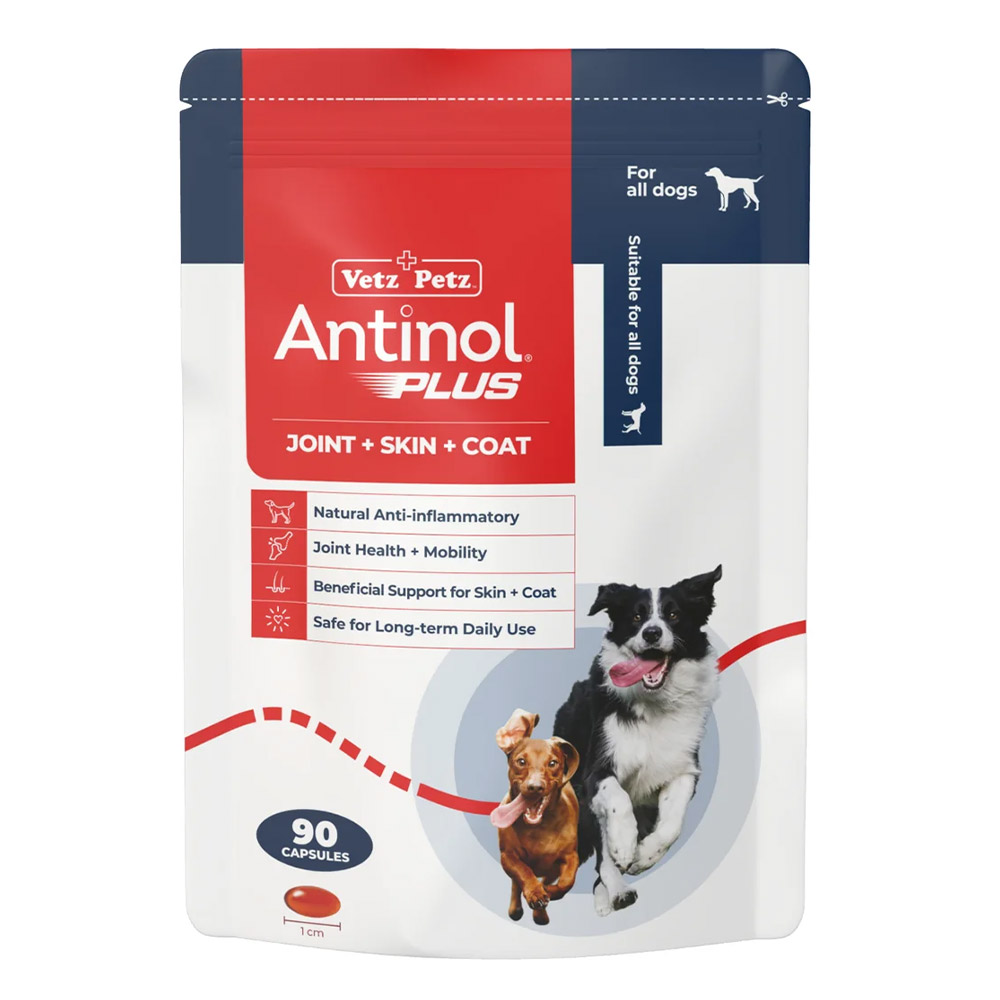
Antinol Plus Natural Anti-Inflammatory Joint & Mobility Capsules, 90 Count
$91.89
*Affiliate link
Frequently asked questions
How many acupuncture sessions does my arthritic dog need before seeing results?
Most dogs with arthritis begin showing noticeable improvement after 3–5 weekly sessions. Some dogs with milder arthritis respond within the first 1–2 visits. Your veterinary acupuncturist will typically recommend a trial of 4–6 sessions before fully evaluating effectiveness and adjusting the plan. After the initial course, many dogs transition to monthly or bi-monthly maintenance sessions.
Is acupuncture safe for senior dogs on NSAIDs like Carprofen or Meloxicam?
Acupuncture is generally considered very safe alongside NSAID therapy, and many dogs receive both simultaneously. However, you should always inform both your prescribing veterinarian and your acupuncturist of all medications your dog takes. In some cases, as pain improves with acupuncture, your vet may be able to reduce the NSAID dose — but never adjust medication without veterinary guidance.
My dog hates water — can they still benefit from canine physical therapy?
Absolutely. While hydrotherapy (underwater treadmill and pool swimming) is highly effective, it's just one of many rehabilitation tools. Land-based therapeutic exercise, cold laser therapy, therapeutic ultrasound, massage, and electrical stimulation all provide meaningful benefit without any water. A certified canine rehabilitation therapist will design a program around your dog's temperament and physical limitations.
How much does canine acupuncture and physical therapy cost?
Costs vary by region and provider. Veterinary acupuncture sessions typically run $75–$150 per session. Canine rehabilitation sessions (including underwater treadmill and laser) usually range from $60–$150 per visit. Some pet insurance plans — particularly those covering alternative or complementary care — partially reimburse these costs. Ask your insurer specifically about rehabilitation and acupuncture coverage before assuming it's excluded.
At what age should I consider starting physical therapy or acupuncture for my dog?
There's no minimum age — these therapies are safe and beneficial at any point in a dog's life. However, most owners begin exploring them when their dog is around 7–9 years old (earlier for large breeds, who age faster) and showing early signs of stiffness or reduced activity. The earlier you start, the more you can slow the progression of arthritis and preserve muscle mass. Don't wait for your dog to be in severe pain — proactive rehabilitation is far more effective than reactive treatment.