Best Dog Knee Brace for Torn ACL (2026 Guide)
A torn ACL (CCL in dogs) can sideline your dog fast — but the right knee brace can support healing, reduce pain, and improve mobility. This guide breaks down the best dog knee braces for a torn ACL in 2026, with honest comparisons and expert tips to help you choose wisely.
13 min read · Updated 9/18/2026 · by Rafael Marques
Why a Torn ACL Is So Common — Especially in Senior Dogs
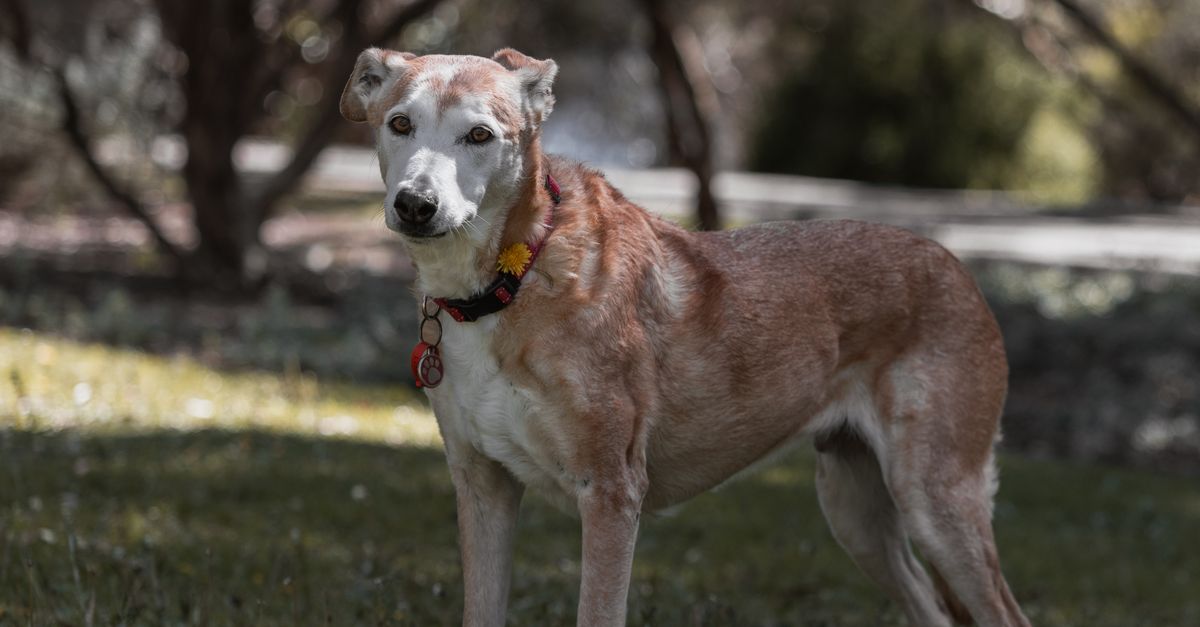
If your dog has been diagnosed with a torn ACL — technically called a CCL (cranial cruciate ligament) tear in veterinary medicine — you're not alone. CCL injuries are one of the most common orthopedic problems in dogs, and they're especially prevalent in middle-aged and senior dogs whose ligaments have gradually weakened over years of use. Overweight dogs, large breeds, and certain athletic dogs are at particularly high risk.
A dog knee brace for a torn ACL doesn't replace surgery in severe cases, but it can be a meaningful part of a conservative management plan — helping stabilize the stifle joint (the canine equivalent of the human knee), reducing abnormal movement, relieving pain, and supporting the surrounding muscles while the area heals or compensates. For dogs who aren't surgical candidates due to age, heart conditions, anesthesia risk, or finances, a quality brace can genuinely improve quality of life.
But not all braces are created equal. A poorly fitted, cheap neoprene sleeve will do almost nothing for a true CCL tear. The best braces for this condition are purpose-built, properly fitted, and ideally introduced alongside physical rehabilitation and veterinary guidance.
Let's dive into our top picks for 2026.
Quick Picks: Best Dog Knee Braces for a Torn ACL
📝 Editor's note: Ligament tears in dogs are way more common than most of us realize. Sometimes it's not even a dramatic accident — it can happen from something as simple as slipping on a slick floor at home. Here's a guide on how to improve their quality of life after it happens.
Before we go deep, here's a fast summary for skimmers:
| Brace | Best For |
|---|---|
| Ortocanis Original Knee Brace | Best overall; mild-to-moderate CCL tears, seniors needing daily support |
| Posh Paws International Custom Stifle Brace | Best custom fit; post-surgical recovery or complete tears |
| Kruuse Rehab Knee Brace | Best for active dogs returning to light exercise |
| Hero Brace Custom Canine Stifle Orthosis | Best for large/giant breeds with full CCL rupture |
| NeoAlly Dog Hind Leg Brace | Best budget option; mild partial tears, senior dogs with CCL laxity |
Understanding the Canine CCL Tear: What You're Really Dealing With
Before buying any brace, it helps to understand the injury. Dogs don't typically tear their cruciate ligament in a single traumatic event the way human athletes do. Most CCL tears in dogs — especially seniors — are the result of chronic ligament degeneration. The ligament frays over months or years until it finally gives way, often with what seems like a minor misstep.
There are two types:
- Partial tear: The ligament is frayed but not completely severed. Conservative management (rest, bracing, physical therapy, weight management) can work well here.
- Complete rupture: The ligament is fully torn. Surgery (TPLO, TTA, or extracapsular repair) is generally recommended, though bracing may be used post-op or when surgery isn't possible.
Signs your dog may have a CCL injury include:
- Sudden or gradual rear-leg lameness
- Sitting with one leg stuck out to the side
- Muscle atrophy in one rear leg
- Swelling or thickening around the stifle joint
- Reluctance to bear weight
Always confirm the diagnosis with a licensed veterinarian before purchasing a brace. Your vet may perform a "drawer test" or recommend X-rays to assess the extent of the injury. Never attempt to self-diagnose or brace a limb without professional guidance.
What Makes a Good Dog Knee Brace for a Torn ACL?
Not all "dog knee braces" on the market are suitable for a genuine CCL tear. Here's what separates an effective brace from a glorified compression sleeve:
Rigid or Semi-Rigid Frame
A soft neoprene sleeve compresses and warms — that's it. A true CCL brace needs rigid or semi-rigid lateral supports (polycentric hinges) that physically limit cranial drawer motion (the abnormal forward slide of the tibia that happens when the CCL is torn). Without this, the brace offers no real mechanical stabilization.
Proper Fit — Ideally Custom
The stifle is a complex joint. Generic sizing works for mild laxity, but for moderate-to-severe tears, a custom-molded or custom-fabricated brace from a certified veterinary orthotist is significantly more effective. Expect to pay more, but the fit and function difference is substantial.
Secure Strapping System
A brace that slips down the leg during walking is useless. Look for braces with multiple adjustable straps, anti-slip inner lining, and above-the-hock and below-the-stifle anchor points to keep the brace stable during movement.
Breathable Materials
Dogs wearing a brace for hours at a time need good airflow, especially larger, longer-coated, or heavier dogs. Look for breathable neoprene, open-cell foam padding, or moisture-wicking liners.
Ease of Application
If your dog is painful or reactive, a brace with a complicated fitting process becomes a daily battle. Velcro closures and step-in designs work better than wraps that require your dog to cooperate perfectly.
The 5 Best Dog Knee Braces for a Torn ACL in 2026
1. Ortocanis Original Knee Brace — Best Overall
What it is: A semi-rigid, off-the-shelf stifle brace from a well-established European veterinary orthotics company with over 15 years in the market. It features bilateral aluminum splints, a polycentric hinge, and a contoured neoprene body.
Key specs:
- Sizes: XS–XL (weight-based sizing guide provided)
- Material: 4mm neoprene with aluminum lateral stays
- Hinge: Single-axis polycentric hinge
- Application: Step-in with adjustable Velcro straps
Pros:
- Legitimate mechanical stabilization from the aluminum stays
- Much more affordable than custom options (~$80–$120)
- Good sizing range covers dogs from ~15 lbs to 100+ lbs
- Comfortable enough for all-day wear

Adjustable Dog Lift Harness Dog Sling Portable Dog Sling for Back Legs Harness for Senior, Injured, Disabled Dogs After ACL Surgery (S)
$9.99
*Affiliate link
Cons:
- Off-the-shelf sizing won't be perfect for every dog's conformation
- Single-axis hinge is less biomechanically precise than dual-axis designs
- May require a neoprene sleeve beneath for dogs with sensitive skin
Best for: Senior dogs with mild-to-moderate partial CCL tears; dogs in conservative management who aren't surgical candidates; owners wanting a reliable first brace before committing to a custom device. Ideal weight range: 20–90 lbs.
Price tier: Mid-range (~$80–$120)
2. Posh Paws International Custom Stifle Brace — Best Custom Fit
What it is: A fully custom-fabricated thermoplastic stifle orthosis made from measurements (and optionally a cast) taken by your veterinarian or a certified veterinary orthotist (CERTO). Posh Paws is one of the most respected names in veterinary orthotics in North America.
Key specs:
- Fully custom; no standard sizes
- Material: Thermoplastic with padded liner
- Hinge: Dual-axis polycentric (mimics natural stifle movement)
- Application: Custom fit — varies by design
Pros:
- Unmatched fit — designed specifically for your dog's anatomy
- Dual-axis hinge provides the most biomechanically accurate motion control
- Ideal post-op support after TPLO/TTA if bracing is recommended
- Custom padding reduces pressure sores for long-term wearers
Cons:
- Requires veterinary involvement and measurements — not a quick purchase
- Significant price (~$500–$900 depending on complexity)
- Lead time of several weeks
- Overkill for mild partial tears or very small dogs
Best for: Large and giant breeds with complete CCL rupture; dogs recovering post-surgically; dogs with complex conformation (e.g., very angulated hindquarters); when a definitive, long-term orthotic solution is needed. Best for dogs 40 lbs and up.
Price tier: Premium ($500–$900+)
3. Kruuse Rehab Knee Brace — Best for Active Dogs Returning to Exercise
What it is: A Danish-designed, veterinary-grade semi-rigid brace specifically built for dogs resuming controlled activity during rehabilitation. It uses a bilateral hinge system and a structured neoprene chassis with reflective trim.
Key specs:
- Sizes: S–XL
- Material: Structured neoprene, bilateral hinged stays
- Hinge: Bilateral semi-rigid
- Application: Wrap-and-strap with 4-point fixation
Pros:
- Four-point fixation system keeps the brace remarkably stable during movement
- Bilateral hinges allow more natural gait than single-stay designs
- Reflective trim is a nice bonus for early-morning or evening walks
- Trusted by many veterinary rehabilitation therapists
Cons:
- 4-point strap system takes longer to apply — not ideal for squirmy dogs
- Sizing can run narrow for stocky breeds (e.g., Bulldogs, Staffies)
- Slightly pricier than Ortocanis (~$130–$160)
Best for: Dogs in structured rehabilitation programs who are returning to short, controlled leash walks; sporting or working dogs recovering from partial tears; owners working alongside a certified canine rehabilitation therapist (CCRT).
Price tier: Mid-to-upper range (~$130–$160)
4. Hero Brace Custom Canine Stifle Orthosis — Best for Large & Giant Breeds
What it is: A US-based custom veterinary orthotics company specializing in large and giant breed orthoses. Hero Brace works directly with veterinarians and produces polypropylene-framed custom stifle braces for dogs with complex or severe CCL injuries.
Key specs:
- Fully custom; cast or scan-based fabrication
- Material: Polypropylene frame, EVA foam liner
- Hinge: Dual-axis polycentric
- Application: Custom; typically clamshell or anterior-entry design
Pros:
- Polypropylene frame is stronger than thermoplastic for heavy dogs (80–200 lbs)
- Works with dogs who have failed other off-the-shelf solutions
- Excellent customer service and veterinary collaboration reported
- Liner replacements available to extend brace lifespan
Cons:
- Price is at the top of the market (~$700–$1,100+)
- Requires a veterinary partner for casting
- Not suitable for dogs under ~50 lbs (overkill in weight and rigidity)
Best for: Large to giant breeds (Labs, German Shepherds, Rottweilers, Great Danes) with complete CCL rupture or failed conservative management; senior large-breed dogs where surgery is contraindicated.
Price tier: Premium ($700–$1,100+)
5. NeoAlly Dog Hind Leg Brace — Best Budget Option
What it is: An affordable neoprene compression-and-support brace with flexible plastic stays. It's widely available and popular for mild cases and general joint support.
Key specs:
- Sizes: S–XL
- Material: Neoprene with flexible plastic stays
- Hinge: None (flexible stays only)
- Application: Step-in with Velcro straps
Pros:
- Very affordable (~$25–$45)
- Easy to put on — great for dogs who are brace-averse
- Good for mild joint laxity, early-stage CCL weakness, or post-brace maintenance
- Machine washable
Cons:
- Flexible stays provide compression, not true mechanical stabilization
- Not appropriate for moderate or complete CCL tears
- May slip on dogs with thin or straight rear legs
- Not a substitute for a true orthotic device in significant injuries
Best for: Dogs with very mild partial CCL tears or early joint laxity; small dogs (under 25 lbs) where a rigid brace is too bulky; owners on a strict budget who need something while saving for a better solution. Also useful for post-recovery maintenance once the dog has returned to near-normal function.
Price tier: Budget (~$25–$45)
How to Measure Your Dog for a Knee Brace
Getting the right size is critical. A brace that's too loose will slip; one that's too tight can cut off circulation. Here's a general measurement guide:
- Stifle circumference: Measure around the widest part of the knee/stifle joint while your dog is standing.
- Thigh circumference: Measure the upper thigh, 2–3 inches above the stifle.
- Leg length: Measure from the center of the stifle to the top of the hock (ankle).
- Dog's body weight: Many brands size primarily by weight — have this handy.
For custom braces, your veterinarian or orthotist will take measurements directly, and casting may be involved.
Pro tip: Always measure both rear legs. The injured leg often has muscle atrophy (smaller circumference) compared to the healthy leg, which can affect sizing on symmetrical designs.
Dog Knee Brace Buyer's Checklist
Before you click "add to cart," run through this checklist:
- Confirmed veterinary diagnosis — Do you know whether it's a partial or complete tear?
- Rigid stabilization — Does the brace have rigid or semi-rigid stays/hinges, not just soft neoprene?
- Appropriate fit level — Off-the-shelf for mild cases; custom for moderate-to-severe?
- Correct measurements — Have you measured stifle circumference, thigh circumference, and leg length?
- Breathable materials — Especially important for dogs in warm climates or with thick coats
- Secure strapping — Multi-point fixation to prevent slipping during activity
- Activity level match — A brace for full rest is different from one for controlled rehab walks
- Budget realistic — Are you prepared to invest in a custom brace if the injury warrants it?
- Vet or CCRT involved — Is a professional helping guide the bracing and rehab plan?
Bracing Alone Isn't Enough: Supporting Your Dog's Recovery
A knee brace is one piece of the puzzle. For the best outcome, combine it with:
- Weight management: Every extra pound puts additional strain on an already compromised joint. Your vet can help calculate your dog's ideal body weight and develop a safe weight-loss plan to help a dog lose weight safely.
- Controlled leash walks only: No running, jumping, or rough play during the healing phase — even with a brace on.
- Canine physical rehabilitation: A certified canine rehabilitation therapist (CCRT) can prescribe underwater treadmill therapy, therapeutic exercises, and massage to rebuild muscle around the injured stifle.
- Joint supplements: The best joint supplement for senior dogs can include glucosamine, chondroitin, and omega-3 fatty acids (fish oil) to support joint health. Always discuss supplementation with your vet before starting.
- Pain management: Your veterinarian may recommend NSAIDs or other pain-relief options appropriate for your dog's age and health status. Never give human pain medications to dogs.
- Regular recheck appointments: CCL injuries — especially in senior dogs — need monitoring. Muscle atrophy, meniscal damage (a common secondary injury), and arthritis progression all need to be tracked.
Always work with your veterinarian or a board-certified veterinary surgeon when managing a CCL injury. This guide is for informational purposes only and does not constitute medical advice.
Our Final Recommendation
For most dog owners navigating a CCL tear, the Ortocanis Original Knee Brace is the best starting point — it offers genuine mechanical stabilization at a fraction of the cost of a custom device, with enough size variety to fit most dogs. If your dog is a large breed, has a complete rupture, or you've already tried an off-the-shelf brace without success, investing in a custom orthosis from Posh Paws or Hero Brace is absolutely worth the cost. And if your budget is tight while you save up, the NeoAlly provides some support and comfort in the meantime.
Whatever you choose, pair it with veterinary guidance, a rehab plan, and best orthopedic dog beds designed for senior large breeds to reduce joint strain during rest periods. Recovery from a CCL injury is a marathon — but with the right support, many dogs go on to live comfortable, active lives.
⚕️ Important: This article is for information only and isn't a substitute for advice from a licensed veterinarian. Always talk to your vet before changing your senior pet's diet, supplements, or treatment.
Recommended products
Adjustable Dog Lift Harness Dog Sling Portable Dog Sling for Back Legs Harness for Senior, Injured, Disabled Dogs After ACL Surgery (S)
$9.99
*Affiliate link

Adjustable Dog Lift Harness Dog Sling for Large Dogs Hind Leg Support Soft Lift Support and Rehab Harness for Weak Rear Legs, Helps Senior, Injured, Disabled and After ACL Surgery Dogs Large
$19.99
*Affiliate link

3-Step Wide Dog Stairs with Hidden Storage 18" H, Non-Slip Dog Steps for High Bed Couch Window Car, Joint-Friendly Pet Stairs Ramp for Small/Medium/Large Old Dogs Cats Up to 220lbs, Grey
$27.69
*Affiliate link
Frequently asked questions
Can a dog brace actually heal a torn ACL (CCL), or does my dog still need surgery?
A brace cannot repair a torn ligament — it stabilizes the joint and limits abnormal motion to reduce pain and prevent further damage while the body compensates or heals. For partial tears, conservative management with bracing, rest, weight control, and physical therapy can be very effective. For complete ruptures, surgery (such as TPLO or TTA) is generally considered the gold standard. However, bracing is a legitimate option when surgery isn't possible due to age, health conditions, or finances. Always discuss options with a licensed veterinarian or board-certified veterinary surgeon.
How long does my dog need to wear the knee brace each day?
This depends on the severity of the injury and your vet's recommendation. Most dogs in the early phase of conservative management wear the brace during all waking, active hours and take it off at rest. As the dog improves, wear time may be gradually reduced. Custom brace providers and veterinary rehabilitation therapists can give you a specific wear schedule tailored to your dog's recovery stage. Never leave a brace on for prolonged periods without checking the skin underneath for redness or irritation.
My dog won't keep the brace on — what can I do?
This is one of the most common challenges owners face. First, give your dog a short break-in period — start with just 15–30 minutes a day and gradually increase. Pair brace application with high-value treats to build a positive association. Make sure the brace isn't too tight or rubbing in a specific spot. If the brace consistently slips, the fit may be wrong — reconsider sizing or consult a certified veterinary orthotist for a custom solution. Some dogs also benefit from wearing a thin sock or sleeve beneath the brace to reduce friction.
Are dog knee braces covered by pet insurance?
Some pet insurance policies do cover orthotic devices, including knee braces, if they are prescribed by a licensed veterinarian as part of an injury treatment plan. Coverage varies widely between providers and plans — always check your policy details or call your insurer before purchasing. Having your vet document the prescription and diagnosis in writing will support any reimbursement claim. Custom braces from veterinary orthotists are more likely to be covered than over-the-counter purchases.
What's the difference between a dog CCL tear and an ACL tear? Are they the same thing?
They're functionally similar but anatomically different. In humans, the anterior cruciate ligament (ACL) stabilizes the knee. In dogs, the equivalent structure is called the cranial cruciate ligament (CCL), and it serves the same stabilizing role in the stifle (the canine knee joint). Most dog owners and even many pet product companies use 'ACL' colloquially when referring to a CCL injury — so you'll see both terms used, often interchangeably. When in doubt, your veterinarian will always refer to the correct canine anatomy.