Dry Itchy Skin in Senior Dogs: Causes and Remedies That Actually Help
Dry, itchy skin is one of the most common complaints among senior dog owners — and it's rarely "just aging." This guide breaks down the real causes and walks you through the most effective remedies, products, and lifestyle changes to bring your older dog lasting relief.
12 min read · Updated 7/24/2026 · by Rafael Marques

Quick Picks: Best Remedies for Dry Itchy Skin in Senior Dogs
If you're short on time, here are four highly recommended options for different needs:
- Omega-3 Fish Oil Supplement — Best for long-term skin and coat health from the inside out
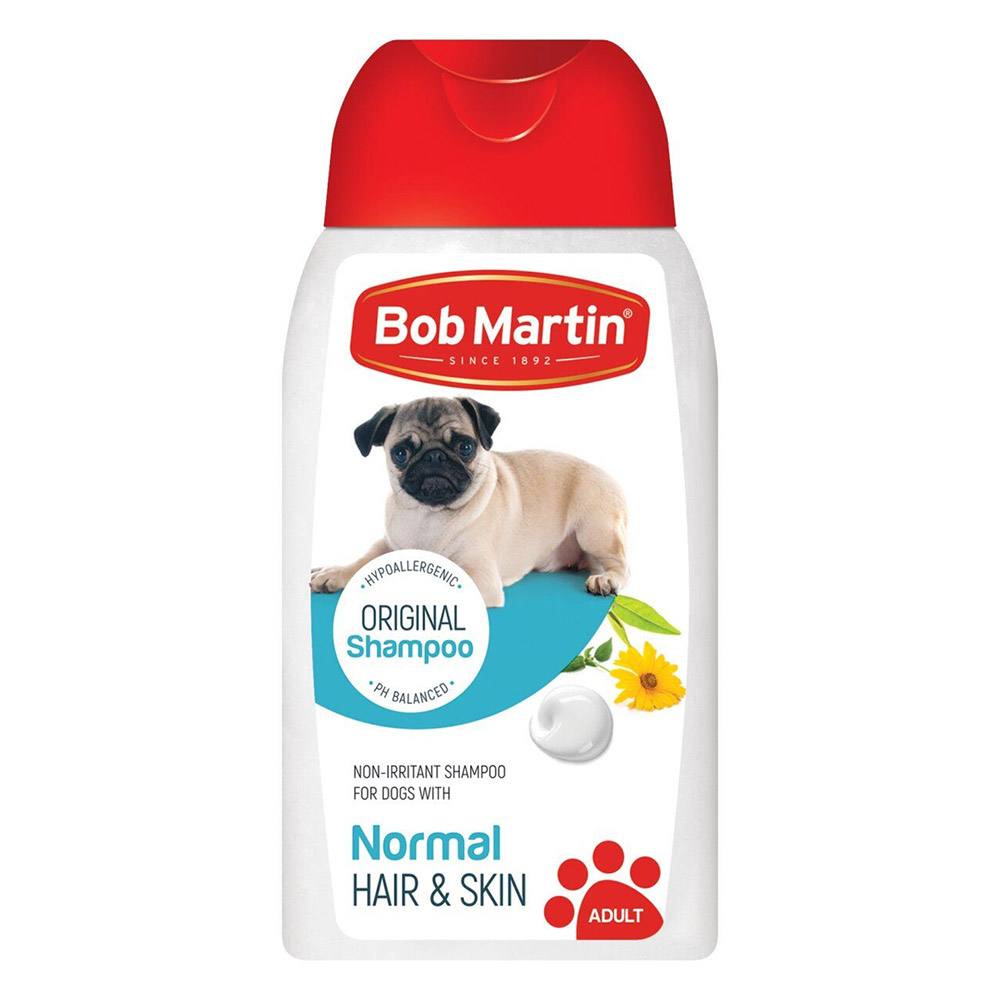
- Oatmeal & Aloe Vera Dog Shampoo — Best for soothing a bath-time flare-up quickly
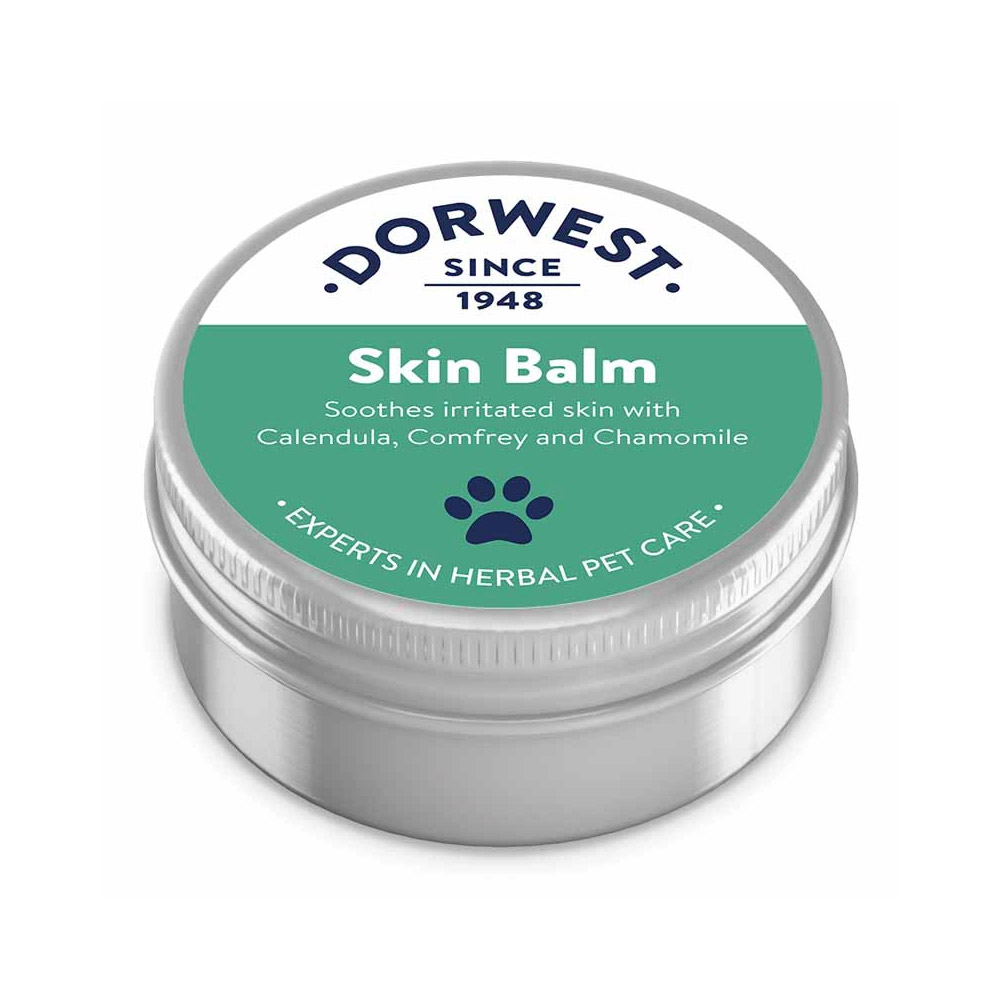
- Coconut Oil Balm / Skin Soother — Best for spot-treating dry patches, elbows, and paw pads
- Hydrocortisone Spray (vet-approved, low-strength) — Best for fast, targeted itch relief while you identify the root cause
Now let's dig into what's really going on with your senior dog's skin — and how to fix it for good.
Why Dry Itchy Skin Is So Common in Senior Dogs
📝 Editor's note: As I mentioned before, I have a senior Shih Tzu who really struggles with skin problems, and what really makes a difference for our older dogs is having a breed-specific supplement — something targeted enough to help cut down on all that excessive scratching.
If you've noticed your older dog scratching more than usual, developing flaky skin, or losing the glossy coat they once had, you're not imagining things. Dry itchy skin in senior dogs is one of the most frequently reported concerns among owners of dogs aged 7 and older — and it deserves serious attention.
The skin is the body's largest organ, and in senior dogs it changes considerably. Oil glands become less active, cell turnover slows down, and the skin barrier gets thinner and more fragile. Combined with the fact that older dogs are more prone to systemic health issues, itching and flaking that might seem like a cosmetic nuisance can sometimes be a signal of something deeper going on.
The good news? Most cases of dry, itchy skin in senior dogs respond very well to targeted remedies — and you have a wide range of options, from nutritional supplements to topical treatments to dietary changes. Let's start with the "why."
Common Causes of Dry Itchy Skin in Senior Dogs
Understanding the cause is the single most important step before spending money on products. Not all itching is the same, and what works for one cause may do nothing — or even worsen — another.
1. Natural Aging of the Skin
As dogs age, their sebaceous (oil) glands produce less sebum — the natural moisturizer that keeps skin supple and the coat shiny. The result is a drier skin barrier that's more prone to flaking, cracking, and irritation. This type of dryness tends to be diffuse (all over the body) and gradual in onset.
2. Nutritional Deficiencies
Many older dogs are still on the same adult formula kibble they ate at age 3. The problem? Senior dogs have different nutritional needs. A diet low in omega-3 and omega-6 fatty acids is one of the leading dietary causes of dry, dull coats and flaky skin. Zinc deficiency is another common culprit, especially in large-breed seniors. Always consult your vet before switching your dog's diet or adding supplements. For guidance on feeding choices, check out our comprehensive senior dog nutrition guide.
3. Hypothyroidism
Hypothyroidism — an underactive thyroid gland — is one of the most common hormonal conditions in middle-aged and senior dogs. The skin symptoms are classic: dry, thickened skin, hair loss (especially along the flanks and tail), a dull coat, and sometimes a "tragic" facial expression due to facial muscle changes. A simple blood test can confirm this diagnosis. If your senior dog's dry skin is accompanied by weight gain, lethargy, or hair loss, have your vet test thyroid function.
4. Environmental Allergies (Atopy)
Older dogs can develop new environmental allergies to pollen, mold, dust mites, and grasses — just like people. Atopic dermatitis causes intense itching, often focused on the paws, belly, groin, armpits, and face. It tends to flare seasonally, though year-round dust mite allergies are increasingly common. Central heating in winter also strips indoor humidity and can worsen skin dryness significantly.
5. Food Allergies or Sensitivities
Food allergies can develop at any age. Common triggers in dogs include beef, chicken, dairy, and wheat. Unlike environmental allergies, food allergies typically cause year-round itching that doesn't respond well to antihistamines. Other signs include recurring ear infections and gastrointestinal upset.
6. Flea Allergy Dermatitis
One flea bite can trigger an intense allergic reaction in sensitive dogs — and senior dogs are no exception. Even if you don't see fleas, flea allergy dermatitis (FAD) is one of the most prevalent causes of itching in dogs of all ages. Look for scratching concentrated at the base of the tail, inner thighs, and belly.
7. Cushing's Disease (Hyperadrenocorticism)
Cushing's disease is a hormonal condition in which the adrenal glands overproduce cortisol. Skin symptoms include thinning skin, a pot-bellied appearance, hair loss, and increased susceptibility to skin infections. It predominantly affects dogs over 6 years old. Like hypothyroidism, it requires veterinary diagnosis and medical management.
8. Skin Infections (Bacterial or Fungal)
A compromised skin barrier in a senior dog makes them more vulnerable to secondary infections — particularly bacterial (pyoderma) and yeast (Malassezia) infections. These cause itching, redness, odor, and sometimes crusty or greasy patches. They require veterinary treatment; home remedies alone won't resolve an active infection.
9. Dry Indoor Air
This one is simple but widely overlooked. During winter months, indoor heating drops relative humidity to levels as low as 20–30%, which is comparable to desert conditions. This alone can cause noticeable skin dryness and itching in older dogs whose skin barrier is already compromised.
Remedies for Dry Itchy Skin in Senior Dogs
Once you and your vet have identified the likely cause (or causes), you can build a targeted remedy plan. Here's what works — and for whom.
Nutritional Supplements: Omega-3 Fatty Acids
Best for: Age-related dryness, poor diet, dull coat, mild-to-moderate flaking
Omega-3 supplementation is one of the most evidence-backed interventions for canine skin health. Fish oil — rich in EPA and DHA — supports the lipid layer of the skin barrier, reduces inflammation, and produces visibly shinier coats within 6–8 weeks of consistent use. For a detailed look at the best options available, see our guide to best omega-3 fish oil supplements for senior dogs with joint pain.
What to look for:
- Marine-sourced (fish oil, not flaxseed — dogs don't convert ALA well)
- EPA + DHA content clearly listed on the label
- Third-party tested for mercury and contaminants
- Softgel or liquid form (easier to give to seniors)
Honest trade-off: Omega-3s work slowly. Don't expect overnight results — plan for a 6–8 week trial. Some dogs also get loose stools when started too quickly; begin at a low dose and ramp up. Always check with your vet on appropriate dosing for your dog's size and any existing health conditions (especially those involving blood clotting or pancreatitis risk).
Moisturizing & Soothing Dog Shampoos
Best for: Bathing relief, acute flare-ups, environmental allergy symptoms
Not all shampoos are created equal. For a senior dog with dry, itchy skin, you want to avoid harsh cleansers and look for:
- Colloidal oatmeal — clinically shown to reduce itching and inflammation
- Aloe vera — soothes irritated skin without stripping natural oils
- Ceramides or panthenol — help rebuild the skin's protective barrier
- Fragrance-free formulas — added fragrances can worsen irritation in sensitive seniors
Frequency tip: Over-bathing is a common mistake. For most senior dogs with dry skin, bathing every 3–4 weeks with a moisturizing shampoo (followed by a conditioner) is ideal. Bathing too often strips the remaining natural oils and worsens dryness.
Topical Balms and Skin Soothers
Best for: Localized dry patches, cracked paw pads, elbow calluses, hot spots
Senior dogs often develop rough, dry patches on pressure points — elbows, hocks, and the sternum — as well as cracked, painful paw pads. Topical balms made with:
- Shea butter
- Beeswax
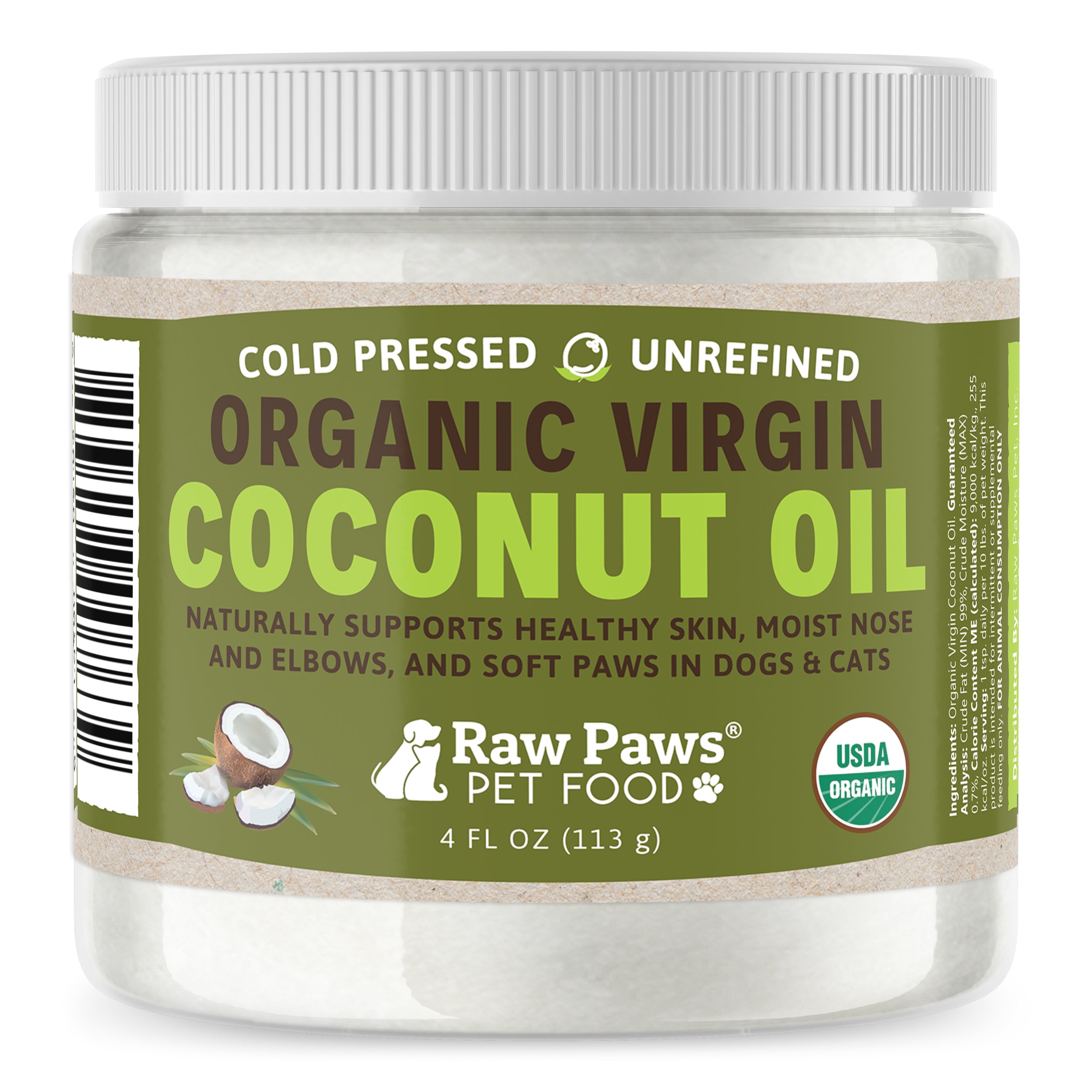
- Coconut oil
- Vitamin E
...can provide immediate relief and help rebuild moisture in these problem areas. Coconut oil is a popular and effective choice; it has mild antifungal and antibacterial properties as a bonus. Just use it sparingly — a little goes a long way — and ensure your dog doesn't lick off large amounts before it absorbs.
Hydrocortisone Sprays and Creams (Low-Strength, OTC)
Best for: Acute itch relief while you investigate the root cause
Low-strength (0.5–1%) hydrocortisone sprays and creams are available over the counter and can provide fast, targeted relief for inflamed, itchy patches. They're appropriate for short-term use on localized areas. Do not use them long-term or on large areas of the body without veterinary guidance, as chronic steroid use — even topical — can thin the skin further and suppress immune function.
Dietary Changes
Best for: Suspected food allergies or nutritional deficiencies
If a food allergy is suspected, your vet may recommend a hydrolyzed protein diet or a strict novel protein elimination diet (typically 8–12 weeks) to identify the offending ingredient. This must be done carefully and consistently — even small amounts of the trigger food can invalidate the trial.
Beyond allergy management, switching a senior dog to a life-stage-appropriate formula rich in quality protein, omega fatty acids, and antioxidants can make a significant difference in skin and coat condition within a few months.
Humidifiers for Indoor Air Quality
Best for: Dogs whose skin worsens in winter or in dry climates
A cool-mist humidifier in the room where your senior dog spends the most time can raise indoor humidity from a skin-parching 25% to a much more comfortable 45–50%. This is a low-cost, low-effort fix that many owners overlook. For large homes, whole-house humidifier attachments for HVAC systems are worth considering.
Prescription Treatments (From Your Vet)
For cases that don't respond to home remedies, your vet has a powerful toolkit:
- Apoquel (oclacitinib) — a targeted JAK inhibitor that provides rapid itch relief with fewer side effects than steroids; commonly used for allergic dermatitis
- Cytopoint — an injectable monoclonal antibody therapy that blocks the itch signal for 4–8 weeks at a time; excellent for dogs who struggle with daily pills
- Medicated shampoos — prescription-strength antifungal or antibacterial shampoos for secondary infections
- Thyroid hormone replacement — for hypothyroid dogs, this alone often resolves skin symptoms completely
- Immunotherapy (allergy shots or sublingual drops) — for confirmed environmental allergies
Always consult your veterinarian before starting any new treatment, especially in a senior dog who may have other health conditions or be on medications that could interact.
A Buyer's Checklist: What to Look for When Shopping for Senior Dog Skin Products
Before you add anything to your cart, run through this checklist:
- ✅ Is it formulated for dogs? Human skincare products — even "natural" ones — can contain ingredients toxic to dogs (like tea tree oil at high concentrations or xylitol).
- ✅ Is the omega-3 supplement marine-sourced with EPA + DHA clearly listed on the label?
- ✅ Is the shampoo pH-balanced for dogs? Dogs have a skin pH of ~7.5; human shampoos are too acidic.
- ✅ Is it free of artificial fragrances and harsh sulfates? Especially important for seniors with compromised skin barriers.
- ✅ Has the product been third-party tested? Look for NSF, NASC, or similar certifications on supplements.
- ✅ Does the product address your dog's specific cause? A great flea-treatment shampoo won't fix hypothyroidism.
- ✅ Have you cleared it with your vet? Especially important if your senior dog is on medications for heart disease, kidney disease, or other age-related conditions.
How Long Before You See Improvement?
Managing expectations is important for senior dog owners:
| Remedy | Typical Onset of Results |
|---|---|
| Omega-3 supplementation | 6–8 weeks |
| Dietary change / elimination diet | 8–12 weeks |
| Moisturizing shampoo (acute soothing) | Immediate during/after bath |
| Topical balm (dry patches) | 3–7 days of consistent use |
| OTC hydrocortisone spray | 24–72 hours |
| Prescription Apoquel | Within 24 hours |
| Cytopoint injection | Within 1–2 days, lasts 4–8 weeks |
| Thyroid medication (for hypothyroidism) | 4–8 weeks for full skin improvement |
When to See the Vet Right Away
Home remedies are a great starting point, but please contact your veterinarian promptly if your senior dog shows any of the following:
- Open sores, wounds, or significant hair loss
- Skin that smells yeasty, musty, or foul (signs of infection)
- Intense, relentless scratching that disrupts sleep or daily activity
- Thickened, darkened, or elephant-like skin texture
- Itching combined with increased thirst/urination, weight changes, or lethargy (possible hormonal disease)
- Any sudden worsening of skin condition
Senior dogs are also more vulnerable to side effects from medications and supplements, so always loop your vet in before introducing new products — even natural ones.
The Bottom Line
Dry itchy skin in senior dogs is common, but it is not something you simply have to accept as inevitable. The causes range from simple dietary gaps and dry indoor air to more serious conditions like hypothyroidism or Cushing's disease — and identifying the root cause is the key to choosing the right remedy.
Start with the basics: a high-quality omega-3 supplement, a gentle moisturizing shampoo, and a home humidity check. If you don't see improvement within 6–8 weeks, or if symptoms are severe, work with your vet to rule out underlying health conditions. Your senior dog has earned their comfort — and with the right approach, you can absolutely give it to them.
⚕️ Important: This article is for information only and isn't a substitute for advice from a licensed veterinarian. Always talk to your vet before changing your senior pet's diet, supplements, or treatment.
Recommended products
Frequently asked questions
What is the most common cause of dry itchy skin in older dogs?
The most common causes are a combination of natural age-related decline in oil gland activity and nutritional deficiencies — particularly a lack of omega-3 fatty acids in the diet. Environmental factors like dry indoor air in winter are also major contributors that many owners overlook. That said, hormonal conditions like hypothyroidism are surprisingly common in senior dogs and should be ruled out by your vet if dryness is accompanied by other symptoms like weight gain or lethargy.
Is coconut oil safe to put on a senior dog's skin?
Yes, coconut oil is generally safe for topical use on a senior dog's skin and can help moisturize dry patches, elbow calluses, and cracked paw pads. Use it sparingly and allow it to absorb before letting your dog lick the area. If your dog has a history of pancreatitis, avoid letting them ingest large amounts, as the high fat content could be a concern. Always check with your vet if you're unsure.
Can I give my senior dog fish oil for dry skin, and how much?
Fish oil (marine-sourced omega-3s with EPA and DHA) is one of the most evidence-supported supplements for canine skin health and is safe for most senior dogs. However, the appropriate dose varies by your dog's weight and any underlying health conditions — particularly kidney disease, clotting disorders, or pancreatitis risk. Never dose based on human guidelines; always ask your veterinarian for a dose appropriate for your individual dog before starting supplementation.
How often should I bathe my senior dog with dry skin?
For most senior dogs with dry, itchy skin, bathing every 3–4 weeks with a gentle, moisturizing shampoo (colloidal oatmeal or aloe vera-based) is a good general guideline. Bathing too frequently — especially with harsh shampoos — strips the skin's natural oils and worsens dryness. Always follow with a moisturizing conditioner and ensure your dog is thoroughly dried to avoid chilling, which is a bigger concern for older dogs.
My senior dog keeps scratching but I don't see any fleas or rashes — what could it be?
Itching without visible fleas or a rash is actually quite common in senior dogs and can point to several causes: environmental allergies (including indoor allergens like dust mites), food sensitivities, hormonal conditions like hypothyroidism, or simply very dry skin due to age and diet. A visit to your veterinarian is the best next step — they can run blood work to check thyroid and adrenal function, perform skin tests, and recommend a targeted treatment plan rather than guessing.