Signs Your Senior Dog Is in Pain: A Complete Guide for Caring Owners
Senior dogs often hide pain instinctively, making it easy to miss the early warning signs. This guide walks you through the behavioral, physical, and emotional cues that tell you your older dog is hurting — and explains exactly what to do next.
13 min read · Updated 11/1/2026 · by Rafael Marques

Why Senior Dogs Are Especially Prone to Pain — and Why They Hide It
If you share your life with an older dog, you already know they slow down a little. Maybe they take longer to get up from their bed, or they seem less excited about the morning walk. It's tempting to chalk it all up to "just getting older" — but pain is often hiding behind that quiet decline, and it deserves to be taken seriously.
Dogs are descended from animals that had to mask vulnerability to survive in the wild. Even the most pampered golden retriever still carries that instinct. A dog in significant pain will often continue wagging their tail, accepting treats, and greeting you at the door — all while quietly suffering. This is especially true of senior dogs, who have had years to develop a high tolerance for low-grade, chronic discomfort.
Understanding the signs your senior dog is in pain is one of the most important skills you can develop as a caring owner. The earlier you recognize the signals, the sooner your vet can intervene — and the better your dog's quality of life can be in their golden years.
Important: This guide is for educational purposes only. If you suspect your senior dog is in pain, please schedule an appointment with your licensed veterinarian as soon as possible. Never attempt to diagnose or treat your dog's pain at home without professional guidance.
What Counts as a "Senior" Dog?
📝 Editor's note: The thing that changed how I watch my own two is that dogs almost never tell you they hurt — they just do less. Mine have both slowed down over the last couple of years, and in the moment it is genuinely hard to know which part of that is age and which part is something that could be treated. That's what this guide is for: the quiet behavioural changes that tend to mean pain, separated from the ones that really are just getting older. If several of these sound familiar, it's worth a vet visit rather than a wait-and-see.
Age ranges for senior dogs vary by breed and body size:
- Small breeds (under 20 lbs): Senior at around 10–12 years
- Medium breeds (20–50 lbs): Senior at around 8–10 years
- Large breeds (50–90 lbs): Senior at around 7–8 years
- Giant breeds (90+ lbs): Senior as early as 5–6 years
The bigger the dog, the earlier the clock starts ticking on age-related conditions like osteoarthritis, degenerative joint disease, intervertebral disc disease (IVDD), cancer, and dental disease — all of which can cause significant, ongoing pain.
The Most Common Sources of Pain in Older Dogs
Before diving into the signs, it helps to know what's most likely causing the pain. Common pain sources in senior dogs include:
- Osteoarthritis (OA): Affects an estimated 20% of dogs over one year old, and up to 80% of dogs over eight. This is the single most common cause of chronic pain in senior dogs.
- Dental disease: By age three, 80% of dogs have some form of dental disease; by their senior years, it can cause severe oral pain that they hide surprisingly well.
- Cancer: Sadly more common in older dogs; bone cancer (osteosarcoma) in particular is agonizingly painful.
- Spinal and disc disease: Compression of spinal nerves causes everything from dull back pain to sharp, sudden agony.
- Hip dysplasia: Common in large and giant breeds; often worsens significantly with age.
- Kidney disease and urinary issues: Can cause abdominal discomfort and general malaise.
- Ear infections and eye conditions: Chronic infections cause localized but real pain.
Behavioral Signs Your Senior Dog Is in Pain
Behavior changes are often the first — and most telling — signs that something is wrong. The tricky part is that many of them look like "normal aging." Here's what to look for.
Increased Irritability or Aggression
A dog who has always been gentle may suddenly snap, growl, or flinch when touched in a certain area. This is often a direct pain response. If your dog growls when you pick them up, pet their back, or touch their ears, face, or abdomen, they're telling you that area hurts. Never punish a dog for growling in this context — they're communicating.
Restlessness and Inability to Get Comfortable
A dog in pain will often pace, circle, lie down, get up again, and repeat the cycle. They can't find a position that doesn't hurt. This is commonly seen with spinal pain, abdominal pain, and severe arthritis. If your dog seems unable to settle at night, that's a significant red flag.
Withdrawal and Social Changes
Many dogs in chronic pain begin to withdraw. They stop greeting you at the door, they avoid the family, they no longer seek out affection. Some owners mistake this for their dog "being moody" or "acting old." In reality, it's often a coping mechanism — when movement hurts, social interaction becomes a source of anxiety.
Loss of Interest in Play, Walks, or Favorite Activities
This is one of the most commonly overlooked signs. If your dog used to be excited for their leash and now hangs back, or if they've lost interest in toys, games, or even sniffing around the yard — pain is a likely culprit. Don't assume they've "just mellowed out."
Excessive Licking, Chewing, or Biting at a Specific Area
Dogs instinctively try to "treat" their own pain. A dog with a sore paw, achy joint, or skin condition will lick or chew at that spot compulsively. Over time, this can cause raw patches, bald spots, or secondary infections. Pay close attention to where your dog is focusing that attention.
Vocalization — Or Surprising Silence
Some dogs in pain whimper, whine, cry, or yelp — especially when moving or being touched. But many dogs, especially stoic breeds like Labrador Retrievers, Boxers, and Nordic breeds, go almost completely silent even when in severe pain. The absence of whining does NOT mean your dog isn't hurting.
Changes in Sleep Patterns
Pain disrupts sleep. Senior dogs in pain may sleep more during the day (exhausted from discomfort) but be restless at night, may change where they sleep (moving away from hard floors or stairs), or may startle awake when shifting positions.


Zylkene Calming Supplement for Medium Dogs 225mg, 20 Tablets
$55.89
*Affiliate link
Physical Signs Your Senior Dog Is in Pain
Changes in Gait and Mobility
This is the most visible clue. Watch for:
- Limping or favoring one leg — even intermittent limping matters
- Stiffness after rest — especially the first 10–15 minutes after waking
- Difficulty rising from a lying position — taking multiple attempts to stand
- Bunny-hopping — using both back legs together rather than alternating, a classic sign of hip pain
- Reluctance to use stairs, jump into the car, or get on furniture they used to love
Changes in Posture
A dog in pain — particularly abdominal or spinal pain — often adopts a hunched or arched posture. Their back may be visibly curved, their belly tucked up, and their head held low. This "prayer position" (front end down, back end up) can indicate gastrointestinal or abdominal pain.
Muscle Atrophy
Chronic pain causes dogs to protect sore limbs and joints by not using them. Over time, the muscles in those areas waste away (atrophy). If one of your dog's back legs looks noticeably thinner than the other, that's a significant sign worth discussing with your vet immediately.
Rapid or Labored Breathing at Rest
Panting in a dog who isn't hot or excited can be a pain signal. Senior dogs experiencing significant pain — especially from conditions like cancer, pancreatitis, or severe spinal disease — often pant rapidly while lying down. Watch for flared nostrils, wide eyes, and visible effort in breathing.
Changes in Eyes and Facial Expression
Pain changes a dog's face. You may notice:
- Squinting or partially closed eyes — especially with eye pain or generalized pain
- Whale eye (showing the whites of the eye) — often a stress or pain response
- Glazed, dull expression replacing their usual bright-eyed alertness
- Furrowed brow — dogs absolutely do show pain through their facial muscles
Researchers have actually developed a validated tool called the Canine Grimace Scale (CGS) that uses facial expressions to score pain in dogs. Veterinarians use it; you can use it, too.
Swelling, Heat, or Sensitivity to Touch
Run your hands gently over your dog's body regularly. Areas that are swollen, warmer than the surrounding tissue, or that cause your dog to flinch when touched are worth flagging for your vet. Joint swelling is especially common in dogs with osteoarthritis.
Appetite, Digestion, and Grooming Changes as Pain Indicators
Decreased Appetite or Difficulty Eating
Pain — especially dental pain or nausea from internal conditions — often reduces appetite. If your senior dog is eating less, dropping food from their mouth, chewing only on one side, or avoiding hard kibble, dental or oral pain is a strong possibility.
Digestive Upset
Chronic pain is stressful on the body and can lead to vomiting, diarrhea, or constipation. This is also a side effect to watch for if your dog is already on pain medication, so always keep your vet updated.
Neglected Grooming
Dogs in pain stop grooming themselves the way they used to — particularly in areas that are hard to reach when movement hurts (like their back, hips, or tail base). If your dog's coat looks unkempt, matted, or greasy in specific spots, physical discomfort may be limiting their self-care.
Signs Your Senior Dog Is in Pain: A Quick-Reference Checklist
Use this checklist during your regular observations at home. If you're checking more than two or three of these boxes, it's time to call your vet.
Behavioral:
- More irritable, snappy, or easily startled
- Withdrawing from family interaction
- Pacing, restless, unable to settle
- Vocalizing (or unusually silent)
- Lost interest in walks, play, or activities
Physical:
- Limping or favoring a limb
- Stiff after rest; slow to get up
- Hunched posture or tucked belly
- Panting at rest without heat or excitement
- Muscle wasting on one side or one limb
- Swelling or heat in joints
Eating & Grooming:
- Eating less or dropping food
- Chewing on one side only
- Coat neglected in specific areas
- Licking or chewing compulsively at one spot
The Subtle Signs That Are Most Often Missed
Owners often catch the obvious signs — a dramatic limp, a sharp yelp — but miss the quieter ones. Here are the most underrecognized pain signals in senior dogs:
- Sleeping more than usual — easily dismissed as "being old"
- Moving more slowly on walks — often attributed to fitness decline
- Avoiding slippery floors — a subtle but meaningful sign of joint pain and instability
- Not coming when called — pain makes movement an unpleasant prospect
- Sitting or lying differently — for example, no longer sitting square, but resting one hip to the side to relieve pressure
What to Do If You Think Your Senior Dog Is in Pain
Step 1: Document What You're Seeing
Before the vet visit, write down everything you've noticed: when the behavior started, how often it happens, what seems to trigger it, and any recent changes in the household or routine. Video is incredibly useful — try to record your dog walking, getting up from rest, and moving through the house. Vets absolutely love getting video footage.
Step 2: Schedule a Veterinary Appointment — Don't Wait
Pain is not something to "watch and wait" on in a senior dog. Chronic pain causes real physiological changes over time, including elevated stress hormones, reduced immune function, and worsening quality of life. Call your vet and specifically mention that you're concerned about pain — it helps them prioritize and prepare.
Step 3: Ask About a Comprehensive Pain Assessment
A good senior dog workup may include:
- Orthopedic examination
- Neurological assessment
- X-rays or other imaging
- Blood and urine panels (to assess organ function and rule out systemic causes)
- Dental examination under sedation if oral pain is suspected
Step 4: Explore Multimodal Pain Management Together
Modern veterinary pain management is sophisticated and typically doesn't rely on a single approach. Options your vet may discuss include prescription medications, joint supplements (like omega-3 fatty acids and glucosamine/chondroitin), therapeutic laser treatment, physical therapy, acupuncture, hydrotherapy, and weight management. The right plan is highly individual — your vet is your partner in building it.
Never give your dog human pain medications like ibuprofen, acetaminophen, or naproxen. These are toxic to dogs and can be rapidly fatal. Even aspirin should only be used under veterinary direction.
Step 5: Make Home Adjustments to Ease Discomfort
While you work with your vet on a treatment plan, environmental modifications can make a meaningful difference:
- Orthopedic or memory foam dog bed to cushion sore joints
- Ramps or steps in place of jumping to get on the couch or into the car
- Non-slip rugs or yoga mats on hardwood and tile floors
- Raised food and water bowls for dogs with neck or spinal pain
- Gentle, shorter, more frequent walks rather than long, demanding ones
- Warmth — a heated blanket or bed can soothe arthritic joints, especially in cold weather
Monitoring Pain Over Time: The Role of Quality-of-Life Scoring
Pain management in senior dogs is an ongoing conversation, not a one-time fix. Many veterinarians recommend using a quality-of-life (QoL) scale at home to track your dog's wellbeing over weeks and months. The most widely used tool is the HHHHHMM Scale developed by Dr. Alice Villalobos, which scores:
- Hurt
- Hunger
- Hydration
- Hygiene
- Happiness
- Mobility
- More good days than bad
Scoring your dog once a week and bringing the results to your vet gives everyone a clearer, more objective picture of how well pain is being managed — and when it might be time to adjust the approach.
A Note on Grief, Compassion, and Advocating for Your Dog
Watching your senior dog age and suffer is one of the hardest parts of pet ownership. You may feel guilt for not catching signs sooner, or anxiety about what pain management will look like long-term. Both feelings are completely normal.
What you can do — and what your dog needs most — is to stay observant, stay honest with your vet, and advocate loudly on your dog's behalf. Dogs can't tell us in words when they're hurting. That's why your attention, your love, and your willingness to ask hard questions at the vet are genuinely life-changing gifts for your older companion.
You are your dog's best advocate. Trust your gut. If something seems off, it probably is.
⚕️ Important: This article is for information only and isn't a substitute for advice from a licensed veterinarian. Always talk to your vet before changing your senior pet's diet, supplements, or treatment.
Recommended products
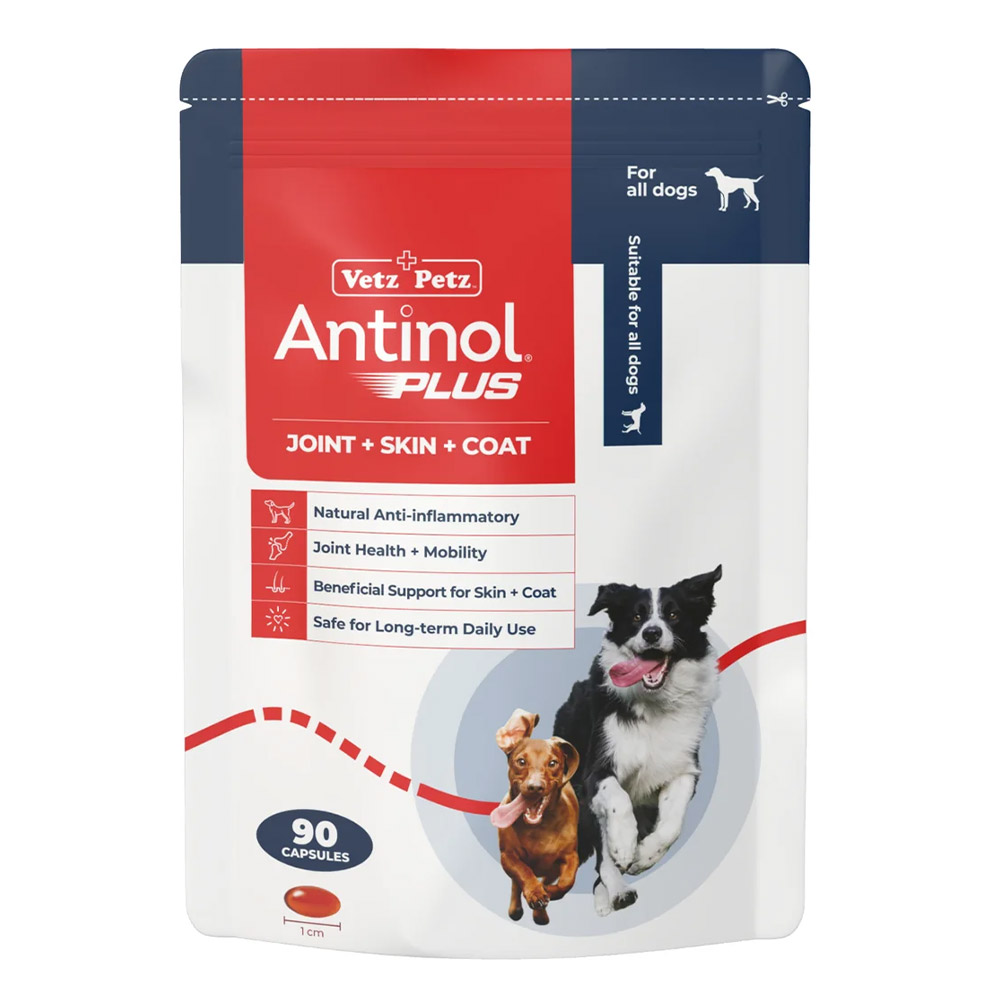
Antinol Plus Natural Anti-Inflammatory Joint & Mobility Capsules, 90 Count
$91.89
*Affiliate link
Zylkene Calming Supplement for Medium Dogs 225mg, 20 Tablets
$55.89
*Affiliate link

Frequently asked questions
How can I tell if my senior dog is in pain or just slowing down with age?
This is one of the most common questions dog owners ask — and the honest answer is that slowing down with age and slowing down due to pain often look nearly identical. The key is to look for combinations of signs: stiffness after rest, reluctance to do things they used to enjoy, changes in behavior (irritability, withdrawal), changes in appetite or grooming, and shifts in posture or gait. If more than one or two of these apply, schedule a vet visit. Pain is very treatable in many cases, and you don't want to miss a window where your dog could feel significantly better.
Do senior dogs whimper or cry when they're in pain?
Some do, but many don't — and this surprises a lot of owners. Dogs are instinctively wired to conceal pain, and many breeds (especially Labradors, Boxers, and Nordic breeds) are particularly stoic. Your dog may be in significant pain without making a single sound. Never use the absence of whining or crying as evidence that your dog is comfortable. Focus on behavioral and physical changes instead, and consult your vet if you notice anything unusual.
What are the signs of arthritis pain specifically in older dogs?
Osteoarthritis is the most common cause of chronic pain in senior dogs. Signs specific to arthritis include: stiffness for the first 10–20 minutes after waking or resting, reluctance to climb stairs or jump into the car, limping or favoring a limb (which may come and go), muscle wasting in one or more limbs, and bunny-hopping in the back legs (common with hip arthritis). Cold and damp weather often makes arthritis symptoms noticeably worse. If you're seeing these signs, talk to your vet about a formal orthopedic assessment.
Can I give my senior dog ibuprofen or Tylenol for pain?
Absolutely not — this is a critical safety point. Ibuprofen, acetaminophen (Tylenol), and naproxen are all toxic to dogs and can cause severe kidney failure, liver failure, gastrointestinal bleeding, and death, sometimes within hours of ingestion. Even aspirin, which is less acutely toxic, should only be given under direct veterinary supervision because of its risks in dogs on other medications. There are safe, effective, veterinary-prescribed pain medications available for dogs. Please contact your vet before giving your dog anything for pain, including supplements.
At what point should pain management transition to end-of-life conversations?
This is a deeply personal and heartbreaking question, and your veterinarian is your most important partner in navigating it. Generally, when a senior dog's pain can no longer be adequately controlled with available treatments, when they have consistently more bad days than good, or when they've lost interest in the things that used to bring them joy (eating, interacting with family, going outside), it may be time to have that conversation. Tools like the HHHHHMM Quality of Life Scale can help you track your dog's wellbeing objectively over time and give you and your vet a clearer picture of where things stand.