Why Does My Senior Cat Yowl at Night? Causes, Comfort Tips & When to Call the Vet
Nighttime yowling in senior cats is one of the most common — and heartbreaking — complaints among older cat owners. This guide breaks down every likely cause, from cognitive dysfunction to pain, and gives you practical steps to help your cat (and yourself) get a better night's sleep.
12 min read · Updated 7/24/2026 · by Rafael Marques
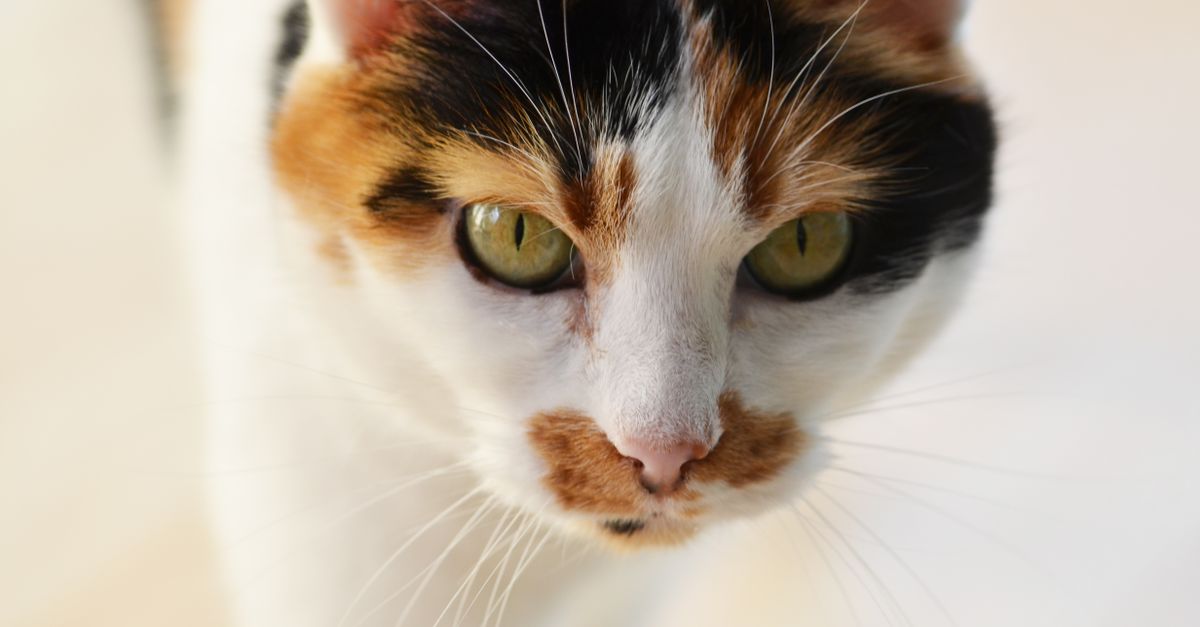
Why Senior Cats Yowl at Night — And What You Can Do About It
📝 Editor's note: I have a neighbor who has five cats, and one of them is going through this. That cry is just heartbreaking to hear — it really gets to you. He's already started treatment, though, so hopefully things will start to improve.
If you've been jolted awake at 2 a.m. by your senior cat yowling at night, you're far from alone. It's one of the top concerns veterinarians hear from owners of cats aged 10 and older. That haunting, repetitive cry — sometimes called a "howl" or a "wail" — is very different from a normal meow, and it almost always means your cat is trying to tell you something important.
The good news: there are real, treatable causes behind this behavior. The not-so-great news: some of them are serious enough that they deserve prompt veterinary attention. This guide walks you through every major reason an older cat yowls after dark, how to recognize what's going on, what you can do at home to ease your cat's distress, and exactly when you need to pick up the phone and call your vet.
The Difference Between Normal Meowing and Senior Yowling
Before diving into causes, it helps to understand what makes nighttime yowling in senior cats distinct. A yowl is a long, drawn-out, often mournful vocalization — louder and more sustained than an ordinary meow. It can sound almost human at times, which makes it especially alarming.
Normal meowing says, "Feed me" or "Pet me." Yowling in a senior cat usually signals one of the following:
- Confusion or disorientation
- Physical pain or discomfort
- A medical condition affecting the nervous system or hormones
- Sensory loss (hearing or vision)
- Anxiety or a disrupted sleep-wake cycle
Age matters here. A cat is generally considered a senior at 10–11 years, and a "super-senior" or geriatric at 15+. The older your cat, the higher the likelihood that yowling has a medical root cause rather than a behavioral one.
Top Reasons Senior Cats Yowl at Night
1. Feline Cognitive Dysfunction Syndrome (CDS) — The Most Common Cause
Feline Cognitive Dysfunction Syndrome is the cat equivalent of Alzheimer's disease, and it is the single most frequent explanation for nighttime yowling in older cats. Studies suggest that more than 50% of cats aged 15 and older show at least one sign of CDS — and disoriented, nighttime vocalization is one of the hallmark symptoms.
What's happening in your cat's brain: CDS involves the gradual deterioration of neurons and a buildup of amyloid plaques — the same type seen in human Alzheimer's patients. The result is confusion, memory loss, altered sleep cycles, and anxiety, especially when the house is dark and quiet.
Signs that point to CDS:
- Yowling that seems to come from nowhere, with no apparent trigger
- Your cat looks "lost" in a familiar room
- Getting stuck in corners or staring at walls
- Forgetting where the litter box is
- Changes in the sleep-wake cycle (sleeping more during the day, restless at night)
- Reduced interest in grooming or playing
CDS cannot be cured, but it can be managed. Your vet may recommend prescription diets enriched with antioxidants, omega-3 fatty acids, and medium-chain triglycerides (MCTs), or supplements like SAMe or melatonin. Environmental enrichment and keeping a consistent daily routine can also make a meaningful difference. If you're looking for additional support for your senior cat's overall health, best supplements for senior cats can provide evidence-based options to discuss with your veterinarian.
2. Hyperthyroidism
Hyperthyroidism — an overactive thyroid gland — is the most common hormonal disorder in older cats, affecting roughly 1 in 10 cats over age 10. The thyroid produces too much T4 hormone, revving up nearly every system in the body.
A hyperthyroid cat is essentially running on overdrive 24/7. At night, when the house is calm, that internal "engine" can manifest as relentless restlessness, hyperactivity, and loud yowling.
Other signs of hyperthyroidism to watch for:
- Significant weight loss despite a ravenous appetite
- Increased thirst and urination
- Vomiting or diarrhea
- A dull, unkempt coat
- Rapid or irregular heartbeat
The good news here is that hyperthyroidism is highly treatable. Options include daily medication (methimazole), a prescription low-iodine diet, radioactive iodine therapy, or surgery. Once thyroid levels stabilize, the nighttime yowling usually stops — sometimes within weeks. This is one reason it's so important to get bloodwork done rather than assuming the behavior is "just old age."
3. Pain and Physical Discomfort
Cats are notoriously good at masking pain — it's an evolutionary survival mechanism. But senior cats with osteoarthritis, dental disease, urinary tract infections, gastrointestinal issues, or other painful conditions may lose that mask at night when there are fewer distractions.


Forza10 Renal Wet Cat Food, Vet-Formulated Kidney Care, Lamb Flavor, 12-Pack
$29.99
*Affiliate link
Arthritis is especially common and underdiagnosed. Studies estimate that over 90% of cats aged 12 and older have radiographic evidence of arthritis, yet many owners never notice limping because cats compensate so well. That low-grade chronic ache can become louder (literally) at night when your cat is trying to settle into a sleeping position.
Signs that pain may be the cause:
- Yowling seems to happen when your cat changes positions or jumps down from furniture
- Reluctance to use stairs or jump onto favorite spots
- Changes in litter box habits (may avoid the box if getting in and out is painful)
- Over-grooming a specific area of the body
- Flinching or pulling away when touched
If pain is suspected, your veterinarian can evaluate your cat and recommend appropriate management. A best orthopedic dog bed for hip dysplasia can provide ideas for comfortable bedding solutions that reduce pressure on arthritic joints. Never give your cat human pain medications — drugs like ibuprofen, acetaminophen, or aspirin are toxic to cats. There are safe, veterinary-approved options for feline pain management.
4. Hypertension (High Blood Pressure)
High blood pressure in cats is almost always secondary to another condition — most commonly hyperthyroidism or chronic kidney disease (CKD). Hypertension can damage the eyes, brain, heart, and kidneys, and it can cause neurological symptoms including confusion and agitation that drive nighttime vocalization.
One of the most dramatic signs of hypertension is sudden vision loss — a cat may appear panicked or disoriented because she literally cannot see well. This is a veterinary emergency. If your cat's yowling came on very suddenly, she seems to be bumping into things, or her pupils look dilated and unresponsive, call your vet immediately.
5. Sensory Decline — Hearing and Vision Loss
As cats age, many experience gradual hearing loss, vision loss, or both. A cat who can't hear well may yowl loudly simply because she can't gauge her own volume. A cat who can't see well in the dark may become frightened and disoriented at night when her already-limited vision is reduced further.
How to tell if sensory loss is a factor:
- Your cat doesn't respond to her name or to sounds she used to react to (possible hearing loss)
- She startles easily when you approach from behind (possible hearing loss)
- She hesitates at the edges of furniture or misses jumps she used to make easily (possible vision loss)
- She seems fine during daylight hours but panics after dark
Sensory loss itself isn't curable in most cases, but you can make your home safer and less frightening — more on that in the comfort strategies section below.
6. Chronic Kidney Disease (CKD)
CKD is the leading cause of death in older cats, affecting an estimated 30–40% of cats over age 12. As kidney function declines, toxins build up in the bloodstream — a condition called uremia — which can affect the brain and cause neurological symptoms including anxiety, confusion, and vocalization.
CKD also causes increased thirst and urination, nausea, and weight loss. A cat who is nauseated or uncomfortable in the middle of the night may well express that distress vocally. Regular bloodwork and urinalysis are essential for catching CKD early, when dietary management and fluid therapy can significantly slow its progression. If your cat is diagnosed with CKD, learn more about dietary options in our guide to best senior cat food for kidney disease.
7. Hunger, Thirst, or Litter Box Issues
Not every cause is dramatic. Some senior cats yowl at night simply because:
- They're hungry — older cats often have reduced digestive efficiency and may need more frequent, smaller meals
- They're thirsty — especially if they have CKD, diabetes, or hyperthyroidism
- The litter box is hard to reach, too high-sided for arthritic joints, or located in an area your cat is reluctant to navigate in the dark
These are easy wins. A puzzle feeder with a small portion set out at bedtime, a running water fountain (many cats drink more from moving water), and a low-sided litter box on every floor of your home can resolve a surprising amount of nighttime disturbance.
8. Anxiety and Disrupted Sleep-Wake Cycles
Even without full CDS, many senior cats experience increased anxiety, a heightened stress response, and disrupted circadian rhythms. A change in the household — a new pet, a move, a family member leaving, or even rearranging furniture — can tip an older cat into a state of chronic anxiety that peaks at night.
Pheromone diffusers (such as Feliway), calming supplements, and environmental enrichment can help. Your vet can also evaluate whether anti-anxiety medication is appropriate if the anxiety is severe.
Comfort Strategies: What You Can Do at Home Tonight
While you're working toward a vet appointment and a diagnosis, these strategies can help reduce nighttime yowling:
Keep a Consistent Routine
Feed, play, and interact with your cat at the same times every day. Predictability is deeply reassuring for a cognitively declining cat. A short interactive play session about an hour before bedtime can help tire your cat out and promote deeper sleep.
Improve Nighttime Navigation
- Leave a few nightlights on in hallways and near the litter box
- Keep the litter box in the same place (don't move it)
- Add ramps or pet steps to furniture your cat loves to sleep on
- Keep pathways clear of clutter that could be disorienting in the dark
Try a Calming Pheromone Diffuser
Feliway Classic diffusers release a synthetic version of the feline facial pheromone, which signals "this place is safe." Plug one in near where your cat sleeps. Many owners report a noticeable reduction in anxiety-related behaviors within 2–4 weeks.
Enrich the Daytime
A cat who sleeps all day will be more awake and restless at night. Even gentle enrichment — a bird feeder outside a window, puzzle feeders, 10-minute wand toy sessions — can help regulate your cat's sleep-wake cycle.
Consider a Warming Bed
Arthritic cats often feel more comfortable on a heated orthopedic bed, which can ease joint stiffness overnight. Look for beds designed specifically for cats with low, easy-entry sides.
Don't Punish the Yowling
It's tempting to scold your cat at 3 a.m., but this will only add to her confusion and anxiety. Respond calmly, offer brief reassurance, and redirect her to her bed or food bowl. Reinforcing quiet behavior during the day (with treats and attention) is far more effective.
When to Call Your Veterinarian — Right Away
Some causes of nighttime yowling in senior cats are urgent. Contact your vet promptly if:
- The yowling started suddenly (within 24–48 hours) — this is a red flag for acute pain, neurological events, or vision loss from hypertension
- Your cat's pupils appear very large (dilated) and unresponsive to light
- She seems disoriented, is falling over, or walking in circles
- She's not eating or drinking
- You notice blood in the urine or she's straining to urinate
- She's lost noticeable weight in a short period of time
- The yowling is accompanied by obvious signs of distress like panting, hiding, or aggression
Even if none of these red flags are present, any senior cat who begins yowling at night deserves a full veterinary workup — at minimum a physical exam, blood panel (CBC and chemistry), thyroid level (T4), and urinalysis. Many of the conditions above are treatable, and early detection makes a real difference in quality of life.
A Note on Quality of Life
Watching your senior cat struggle at night is exhausting and heartbreaking. It's natural to feel helpless — but the fact that you're searching for answers means you're already being an advocate for your cat's wellbeing.
Senior cats can live comfortably for months or years beyond the onset of cognitive or physical decline, especially with proper veterinary care, a thoughtfully adapted home environment, and the right nutritional support. The yowling is not a sign that your cat has given up — it's a sign that she needs your help. With the right answers, you can give it to her.
Summary: What to Do Next
- Schedule a veterinary appointment — ask specifically for a senior wellness panel including thyroid levels, kidney values, and blood pressure
- Keep a log of when the yowling happens, how long it lasts, and any other behavioral or physical changes you've noticed
- Implement the home comfort strategies above while you wait for the appointment
- Don't dismiss it as "just aging" — yowling at night is almost always a symptom of something addressable
⚕️ Important: This article is for information only and isn't a substitute for advice from a licensed veterinarian. Always talk to your vet before changing your senior pet's diet, supplements, or treatment.
Recommended products
Forza10 Renal Wet Cat Food, Vet-Formulated Kidney Care, Lamb Flavor, 12-Pack
$29.99
*Affiliate link

Nutramax Cosequin Joint Supplement for Cats, Easy Sprinkle Capsule, 80ct, Glucosamine + Chondroitin
$21.99
*Affiliate link

NATURE TARGET Glucosamine for Dogs, Hip & Joint Freeze-Dried Chews, 180 Ct
$21.99
*Affiliate link
Frequently asked questions
Is it normal for senior cats to yowl at night?
It's common, but it's not something you should simply accept as normal aging. Nighttime yowling in cats over 10 years old almost always has a medical or cognitive cause — such as feline cognitive dysfunction, hyperthyroidism, pain, or kidney disease. A veterinary evaluation can identify the root cause and often lead to meaningful improvement.
My senior cat yowls at night but seems fine during the day. Why?
This is actually a classic pattern with feline cognitive dysfunction. During the day, sensory input, activity, and familiar routines keep your cat grounded. At night, when the house is dark, quiet, and less stimulating, the confusion and anxiety associated with cognitive decline tend to surface. Pain conditions like arthritis can also flare at night when a cat is trying to rest in a single position for long periods.
How do I know if my cat's yowling is from dementia or pain?
Both can look similar, but there are clues. Cognitive dysfunction-related yowling tends to sound disoriented and purposeless — your cat may be staring at walls, seem lost, or not respond to you. Pain-related yowling is often triggered by movement or touch, and you may notice limping, reluctance to jump, or changes in grooming. Many cats have both conditions simultaneously, which is why a full veterinary workup is important rather than guessing at home.
Can I give my cat melatonin or other supplements to help her sleep?
Some veterinarians do recommend melatonin or other supplements (like SAMe or omega-3 fatty acids) as part of a management plan for feline cognitive dysfunction. However, you should never start any supplement — even one marketed as natural — without consulting your vet first. Dosing for cats is very different from humans, and some supplements can interact with medications or worsen existing conditions like kidney disease.
Will my senior cat get better, or will the yowling keep getting worse?
That depends entirely on the cause. Hyperthyroidism, for example, is highly treatable — many cats stop yowling once their thyroid levels are controlled. Pain from arthritis can often be managed effectively, leading to much better nights. Feline cognitive dysfunction does progress over time, but with environmental adaptations, diet, and in some cases medication, many cats' symptoms can be stabilized and quality of life maintained for a significant period. Early diagnosis gives you the most options.