Best Anxiety Medication for Senior Dogs: 2026 Guide
Senior dogs experience anxiety differently than younger dogs — and they need solutions tailored to their aging bodies. This guide covers the best anxiety medications and calming aids for senior dogs, including prescription options, vet-approved supplements, and key safety considerations.
13 min read · Updated 8/5/2026 · by Rafael Marques

Why Senior Dogs Struggle With Anxiety More Than You Might Expect
If your 10-year-old Lab has suddenly started pacing at night, barking at nothing, or trembling during thunderstorms, you're not imagining things. Anxiety in senior dogs is incredibly common — and it's often more intense than what the same dog experienced when younger. Finding the best anxiety medication for senior dogs means understanding why aging changes the picture so dramatically.
Several things happen as dogs get older that amplify anxious behavior:
- Cognitive Dysfunction Syndrome (CDS): Often compared to dementia in humans, CDS affects an estimated 14–35% of dogs over age 8. Disorientation, nighttime restlessness, and confusion can all look like — and fuel — anxiety. Learn more about signs of dementia in senior dogs to understand how this condition overlaps with anxiety behaviors.
- Chronic pain: Arthritis, dental disease, and other age-related conditions cause discomfort that manifests as restlessness, irritability, and reactivity.
- Sensory decline: Hearing and vision loss leave dogs more easily startled and less able to orient themselves in their environment.
- Changes in brain chemistry: Aging reduces levels of neurotransmitters like serotonin and dopamine, which directly affect mood regulation.
The result? A dog who was perfectly calm at age 4 may become a nervous wreck at age 11. And because senior dogs often have concurrent health conditions — kidney disease, liver changes, heart issues — the type of anxiety relief you choose matters enormously. Not every product safe for a young dog is safe for a geriatric one.
Important: This guide is for informational purposes only. Always consult your veterinarian before starting any new medication, supplement, or calming product for your senior dog. Your vet can screen for underlying medical conditions that may be causing or worsening the anxiety and will recommend the safest option for your dog's specific health profile.
Quick Picks: Best Anxiety Options for Senior Dogs at a Glance
📝 Editor's note: My older dogs — at least mine — started showing a real increase in anxiety as they aged. I'm talking about things like scratching at the little rug in the middle of the night, or just pacing back and forth. For a while I honestly thought they just needed to go out to pee, but it turned out those were actually anxiety symptoms. Once I figured that out, I treated it with natural products and it made a real difference.
Before we dive deep, here's a fast overview for busy pet parents:
| Option | Best For |
|---|---|
| Trazodone (Rx) | Situational anxiety (vet visits, travel) in otherwise healthy seniors |
| Fluoxetine / Reconcile (Rx) | Chronic generalized anxiety and CDS-related behavioral changes |
| Gabapentin (Rx) | Dogs with anxiety and concurrent chronic pain (arthritis) |
| Solliquin / L-Theanine Supplements (OTC) | Mild anxiety; dogs whose owners prefer a non-prescription starting point |
| Thundershirt + Calming Aids (OTC) | Noise phobia, storm anxiety; ideal alongside medication |
Prescription Anxiety Medications for Senior Dogs
Prescription options are typically the most effective for moderate-to-severe anxiety, but they come with important considerations for senior dogs — particularly around organ function and drug interactions.
Trazodone: The Go-To for Situational Anxiety
Trazodone is one of the most commonly prescribed anxiety medications for dogs in veterinary practice today. It works by blocking serotonin reuptake and certain serotonin receptors, producing a calming, mildly sedating effect without the intense sedation of older options like acepromazine.
How it's used in seniors: Trazodone is typically given as needed — 1 to 2 hours before a stressful event like a vet visit, car ride, or fireworks. Some dogs are placed on a low daily dose for ongoing anxiety management.
Why it works well for many senior dogs:
- Relatively short-acting, so it doesn't accumulate in the system
- Has a good safety profile when kidney and liver function are normal
- Can be combined with other calming agents under vet supervision
Trade-offs and cautions:
- Requires baseline bloodwork — your vet needs to know how your senior dog's kidneys and liver are functioning before prescribing
- Can cause sedation, stumbling, or GI upset, which can be more pronounced in frail or very elderly dogs
- Not ideal for dogs already on MAOIs or certain antidepressants (serotonin syndrome risk)
Best for: Senior dogs (roughly 8–14 years) with situational anxiety who have reasonably normal organ function and no contraindicated medications on board.
Fluoxetine (Prozac / Reconcile): For Chronic, Daily Anxiety
Fluoxetine is an SSRI — a selective serotonin reuptake inhibitor — that's FDA-approved in the canine-specific formulation Reconcile for separation anxiety. Many vets also prescribe it off-label for generalized anxiety, compulsive behaviors, and anxiety secondary to Cognitive Dysfunction Syndrome.
How it's used in seniors: Fluoxetine is a daily medication. It takes 4–8 weeks to reach full effect, so it's not a quick fix — but for dogs with persistent, everyday anxiety, it can be genuinely life-changing.
Why it's a strong choice for some seniors:
- Addresses the underlying neurochemical imbalance rather than just masking symptoms
- Helpful when CDS is contributing to anxiety and nighttime restlessness
- Often used alongside behavior modification programs
- Available in a palatable chewable form (Reconcile), which makes dosing easier
Trade-offs and cautions:
- The 4–8 week onset window means patience is required
- Requires regular monitoring — particularly liver enzymes and kidney values
- Can initially increase anxiety before it decreases (the "activation" effect)
- Should never be stopped abruptly — requires a gradual taper
- Drug interactions are a real concern in dogs on multiple medications (very common in seniors)
Best for: Senior dogs with moderate-to-severe generalized anxiety, separation anxiety, or anxiety linked to cognitive decline who need consistent, long-term support.
Gabapentin: The Dual-Duty Option for Pain + Anxiety
Gabapentin was originally developed as an anticonvulsant but has become one of the most versatile tools in veterinary senior care. It addresses both neuropathic/chronic pain and anxiety — making it uniquely valuable for the large number of senior dogs dealing with both issues simultaneously. If your senior dog is struggling with joint discomfort in addition to anxiety, explore best joint supplements for senior dogs as a complementary approach.

SEGMINISMART CEVA Animal Health D59010B Senilife Nutritional Supplement for Elderly Dogs - 30 capsules/box
$42.99
*Affiliate link
How it's used in seniors: Gabapentin can be used situationally (before stressful events) or daily for chronic anxiety and pain management, depending on the dog's needs.
Why it's particularly relevant for seniors:
- A significant percentage of anxious senior dogs are also in pain — arthritis is the most common culprit. Treating the pain often reduces anxiety significantly.
- Has a more forgiving safety profile than many other CNS medications
- Relatively affordable, especially in generic form
Trade-offs and cautions:
- Sedation and hind-end wobbliness are common, especially at higher doses — a real concern for senior dogs already at risk for falls
- Xylitol warning: some liquid formulations of human gabapentin contain xylitol, which is toxic to dogs. Always use a veterinary-formulated product or have a compounding pharmacy prepare it.
- Dose adjustments needed for dogs with reduced kidney function
Best for: Senior dogs with a combination of anxiety and chronic pain (especially arthritis or neuropathic discomfort), or dogs who need situational calming before veterinary procedures.
Clonidine: A Quieter Option for Noise Phobias
Clonidine is an alpha-2 adrenergic agonist that reduces the "fight or flight" stress response. It's particularly effective for noise-triggered anxiety — thunderstorms, fireworks, construction sounds.
Why vets use it in seniors:
- Works by a different mechanism than SSRIs, so it can be combined with fluoxetine or trazodone for more comprehensive coverage
- Relatively fast-acting (within 1–2 hours)
- May help lower blood pressure slightly — a potential bonus (or concern) in dogs with cardiovascular issues
Trade-offs and cautions:
- Requires careful dose adjustment in seniors, especially those with low blood pressure, heart disease, or kidney impairment
- Can cause pronounced sedation in very elderly or frail dogs
- Less commonly prescribed than trazodone — not every vet is equally familiar with it
Best for: Senior dogs with severe noise phobia who aren't getting enough relief from trazodone alone, used in combination therapy under close vet supervision.
Sileo (Dexmedetomidine Oromucosal Gel): FDA-Approved for Noise Aversion
Sileo is the first and only FDA-approved treatment specifically for noise aversion in dogs. It's a gel applied to the dog's gum or cheek mucosa — no pill needed — and it works within 30–60 minutes.
Why it matters for seniors:
- The oromucosal application bypasses the GI tract, which is helpful for seniors with sensitive stomachs or inconsistent pill absorption
- Proven efficacy in clinical trials specifically for noise-triggered fear
- Controllable dosing — owners can repeat the dose (up to 5 times) during a prolonged event
Trade-offs and cautions:
- Prescription-only, and relatively expensive compared to other options
- Not appropriate for dogs with severe cardiovascular disease, hepatic disease, or respiratory issues
- Should not be used with other sedatives without veterinary guidance
Best for: Senior dogs with documented noise phobia (thunderstorms, fireworks) who need a reliable, fast-acting, easy-to-administer option.
Over-the-Counter and Supplement Options
Not every senior dog needs a prescription. For mild anxiety — or as a complement to prescription medication — several OTC and supplement options are worth knowing about.
L-Theanine and Ashwagandha (Solliquin, Composure)
Products like Solliquin (Nutramax) and Composure (VetriScience) combine L-theanine, an amino acid from green tea, with other calming ingredients like colostrum or melatonin.
- Best for: Mild, everyday anxiety; dogs who startle easily or seem generally unsettled
- Honest assessment: The evidence base is modest — these work well for some dogs and have little effect on others. They're very safe, though, which makes them a reasonable first step.
- Price tier: $25–$60 for a month's supply
Melatonin
Melatonin is widely used for anxiety, noise phobias, and sleep disturbances in dogs. It's inexpensive and widely available.
- Senior dog note: Melatonin may also help regulate the disrupted sleep-wake cycles common in dogs with CDS.
- Caution: Avoid melatonin products with xylitol as a sweetener — always check the label. And yes, check with your vet before adding it to your senior's regimen, especially if they're on other medications.
Zylkene (Alpha-Casozepine)
Zylkene is a hydrolyzed milk protein supplement with a calming effect similar to benzodiazepines — but without the sedation or dependency risks.
- Best for: Situational stress (travel, new environments, schedule changes) in mild-to-moderately anxious senior dogs
- Senior-friendly: Very safe profile, no known interactions; a good option for dogs with health conditions that limit other medication choices
Adaptil (DAP – Dog Appeasing Pheromone)
Adaptil diffusers, sprays, and collars release a synthetic version of the pheromone mother dogs produce to calm puppies. Many senior dog owners find the diffuser helpful for creating a calmer home environment.
- Best for: Ambient anxiety in the home; pairs well with any prescription medication
- Honest note: Works better for some dogs than others; not typically sufficient as a standalone treatment for moderate-to-severe anxiety
Prescription vs. OTC: Which Category Does Your Senior Dog Need?
| Anxiety Level | Signs | Likely Best Fit |
|---|---|---|
| Mild | Occasional startling, mild noise sensitivity, slightly clingier than before | OTC supplements (L-theanine, Zylkene, melatonin) + Adaptil |
| Moderate | Consistent panting, pacing, hiding; situational or triggered by specific events | Trazodone or Sileo (Rx) + calming supplement |
| Severe / Chronic | Daily anxiety, nighttime disturbance, self-injury, inability to settle | Fluoxetine or Gabapentin (Rx), possibly combination therapy |
| Anxiety + Pain | Restlessness, reluctance to move, irritability when touched | Gabapentin (Rx), combined with pain management plan |
| Anxiety + CDS | Nighttime confusion, aimless pacing, forgetting familiar people/places | Fluoxetine (Rx) + potentially selegiline for CDS |
Special Considerations for Senior Dogs
Bloodwork First — Always
Before starting any prescription anxiety medication, your vet will (and should) run a comprehensive senior blood panel. This typically includes a CBC (complete blood count), chemistry panel, and urinalysis. Why? Because many anxiety medications are metabolized by the liver and excreted by the kidneys. A dog with early kidney disease or elevated liver enzymes needs a different approach — and possibly a lower dose — than a dog with perfectly healthy organ function.
Drug Interactions in Multi-Medication Seniors
It's very common for senior dogs to already be on one or more medications — NSAIDs for arthritis, thyroid medication, heart drugs, or others. Some anxiety medications interact dangerously with these. This is another critical reason to run all options by your vet before adding anything new, even supplements.
Start Low, Go Slow
Senior dogs are more sensitive to CNS-active medications. What barely sedates a 2-year-old Labrador may knock a 12-year-old Beagle off her feet. Starting at the low end of the dosing range and monitoring carefully is standard veterinary practice for geriatric patients.
Behavior Modification Still Matters
Medication works best when paired with environmental management and behavior support. This might mean white noise machines to muffle triggering sounds, a safe "den" space for your dog, predictable routines, and gentle desensitization work with a certified professional (CPDT-KA or a veterinary behaviorist).
Buyer's Checklist: What to Look for in Anxiety Relief for Your Senior Dog
Before purchasing or requesting a prescription, use this checklist:
- Has your vet confirmed anxiety is the primary issue? (Rule out pain, CDS, or other medical causes first)
- Has your senior had bloodwork in the last 6–12 months? (Essential before any prescription)
- Is the anxiety situational or chronic? (Determines whether you need an as-needed vs. daily medication)
- Is your dog on other medications? (Drug interaction check is non-negotiable)
- What's your dog's current weight and kidney/liver status? (Affects safe dosing)
- What's your delivery preference? (Pill, chewable, gel, diffuser — some seniors resist pills)
- What's your budget? (Prescription options range from $30–$150+/month depending on the drug and dog size)
- Are you prepared to commit to 4–8 weeks for daily medications to take effect?
- Do you have a follow-up vet appointment scheduled? (Monitoring is essential, especially in the first 4–6 weeks)
Our Honest Recommendation
There's no single "best" anxiety medication for all senior dogs — and anyone who tells you otherwise is oversimplifying. The right choice depends on your dog's age, weight, health conditions, the type and severity of anxiety, and what other medications they're already taking.
That said, here's a practical starting framework most veterinarians would likely agree with:
- Mild, situational anxiety in a healthy senior? Try Zylkene or an L-theanine supplement first, and add an Adaptil diffuser at home. If that's not enough, ask your vet about trazodone as needed.
- Chronic, daily anxiety in an otherwise healthy senior? Fluoxetine is a strong candidate — give it the full 6–8 weeks to work.
- Anxiety + chronic pain? Gabapentin is your starting point and may address both problems at once.
- Severe noise phobia? Sileo is the most targeted, proven option — worth the prescription conversation with your vet.
Whatever you choose, the most important step you can take is booking that veterinary appointment for a senior dog wellness exam. A thorough senior wellness exam will uncover whether pain, CDS, or another underlying condition is driving the anxiety — and that changes the treatment plan entirely.
Your senior dog has given you years of loyalty and love. Getting their anxiety properly managed is one of the most meaningful things you can do for their quality of life in their golden years.
Recommended products
SEGMINISMART CEVA Animal Health D59010B Senilife Nutritional Supplement for Elderly Dogs - 30 capsules/box
$42.99
*Affiliate link

Purina Pro Plan Veterinary Supplements Calming Care Dog Supplement
$33.99
*Affiliate link
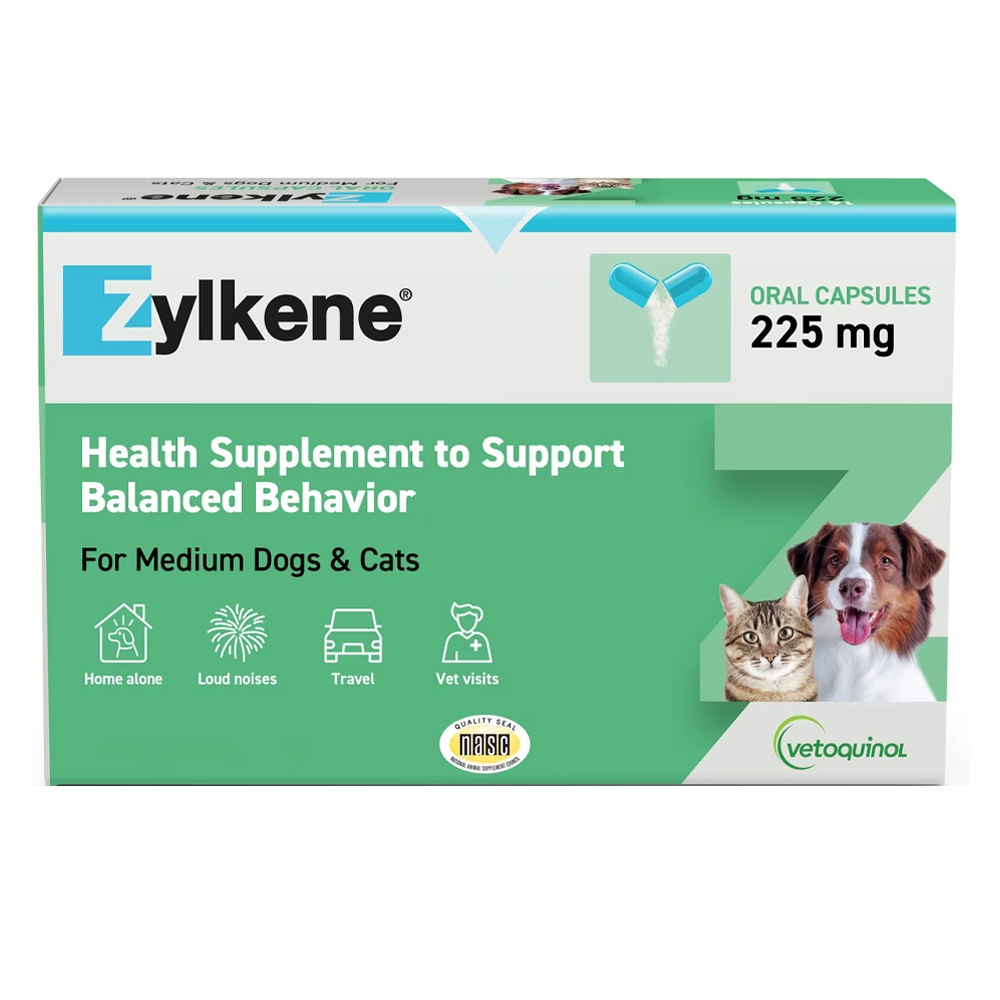
Zylkene Calming Supplement for Medium Dogs 225mg, 20 Tablets
$55.89
*Affiliate link
Frequently asked questions
Can I give my senior dog Benadryl for anxiety?
Diphenhydramine (Benadryl) is sometimes used by owners in a pinch for mild situational anxiety, but it's not recommended as a reliable anxiety treatment for senior dogs. Its sedative effect is unpredictable — some dogs become paradoxically more agitated — and it can cause urinary retention, dry mouth, and interact with other medications common in older dogs. Always talk to your vet before using any human medication, including Benadryl, in your senior pet.
Is anxiety medication safe for a senior dog with kidney disease?
It depends on the medication and the severity of the kidney disease. Some options, like gabapentin, require dose adjustments in dogs with reduced kidney function. Others, like fluoxetine, are primarily metabolized by the liver and may be safer options. Your vet will assess your dog's current bloodwork — specifically creatinine, BUN, and SDMA levels — to guide the safest choice. Never start a prescription anxiety medication without discussing your dog's kidney status with your veterinarian.
How long does it take for dog anxiety medication to start working?
It depends on the type of medication. As-needed options like trazodone, gabapentin, and Sileo typically take effect within 1–2 hours. Daily medications like fluoxetine (Prozac/Reconcile) take 4–8 weeks to reach their full therapeutic effect, which requires patience. Supplements like L-theanine and Zylkene may show subtle effects within a few days to a couple of weeks. Your vet will set realistic expectations based on what they prescribe.
Could my senior dog's sudden anxiety actually be a sign of a medical problem?
Absolutely — and this is one of the most important points for senior dog owners to understand. New or worsening anxiety in an older dog is often rooted in a medical issue: chronic pain (especially arthritis), hyperthyroidism, vision or hearing loss, urinary tract infections, or Cognitive Dysfunction Syndrome (CDS). Treating the underlying condition often significantly reduces the anxious behavior. This is why a full veterinary exam and bloodwork should always come before jumping straight to anxiety medication.
Are natural or herbal anxiety remedies safe for senior dogs?
Many OTC calming products — like Zylkene (alpha-casozepine), L-theanine-based chews, and melatonin — have good safety profiles for most senior dogs. However, 'natural' does not automatically mean safe for every individual. Valerian root, kava, and certain herbal blends can interact with medications or affect liver function. Melatonin products that contain xylitol are dangerous. Always read ingredient labels carefully and run any new supplement by your vet, especially since senior dogs are often on multiple medications.