How to Train a Deaf Senior Dog with Hand Signals: A Complete Guide
Training a deaf senior dog with hand signals is absolutely possible — and deeply rewarding. This complete guide walks you through gentle, age-appropriate techniques that respect your older dog's physical limits while keeping their mind sharp and their bond with you strong.
12 min read · Updated 7/29/2026 · by Rafael Marques
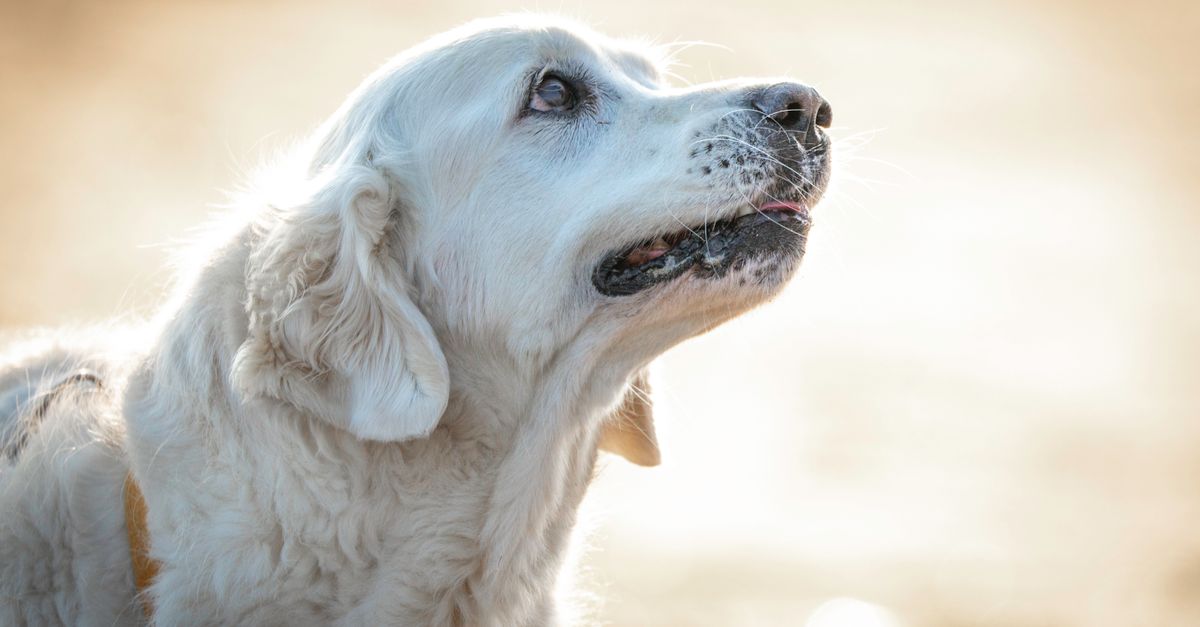
Training a Deaf Senior Dog with Hand Signals: What You Need to Know First
If your senior dog has recently lost their hearing — or has been deaf for years — you might be wondering whether training is still possible, or even worth trying. The answer is a wholehearted yes. Training a deaf senior dog with hand signals isn't just possible; it's one of the kindest things you can do for them. Mental stimulation slows cognitive decline, clear communication reduces anxiety, and working together strengthens the bond you've already spent years building.
That said, training a dog who is both deaf and older requires a different approach than training a young hearing puppy. Their joints may be stiffer, their vision may be dimming, and their patience for long sessions is shorter. This guide addresses all of that — giving you practical, step-by-step techniques that are gentle on your senior's aging body while still being genuinely effective.
Veterinarian note: Before starting any new training or exercise routine with your senior dog, schedule a checkup. Hearing loss in older dogs can sometimes be associated with other health changes — including ear infections, neurological issues, or cognitive dysfunction syndrome (CDS). Your vet can also check for vision changes, arthritis, and any conditions that might affect how your dog responds to training.
Understanding Deafness in Senior Dogs
📝 Editor's note: One of my dogs recently lost his sight and hearing. At first, we were shocked, but shortly after, I pulled myself together and continued his training to improve his quality of life.
Why Do Senior Dogs Lose Their Hearing?
Age-related hearing loss — called presbycusis — is one of the most common sensory changes in dogs over 10 years old. The delicate hair cells inside the cochlea gradually wear out, and the result is a slow, progressive reduction in hearing that often goes unnoticed by owners for months.
Common signs that a senior dog may be deaf or hard of hearing include:
- Not responding to their name being called from another room
- Sleeping through loud noises (thunderstorms, doorbells) that once startled them
- Seeming "confused" or startled when approached from behind
- Increased barking, possibly because they can no longer gauge their own volume
- Appearing less responsive to verbal cues they previously knew well
It's worth noting that not all senior dogs become completely deaf. Many experience partial hearing loss, still responding to very high-pitched sounds or loud, low-frequency noises. Hand signal training is valuable either way — as a supplement when hearing is fading, or as a primary communication system when hearing is fully gone.
How Deafness Affects Behavior in Older Dogs
A dog who loses their hearing later in life may go through an adjustment period. They can seem more anxious, more clingy, or more easily startled than before. Some become less confident on walks because they can't hear approaching bikes or people. Others may develop separation anxiety symptoms for the first time.
This behavioral shift is completely normal — and training with clear, consistent hand signals directly addresses it. When your dog learns to read you, they gain a new source of security. Managing anxiety in senior dogs through structure and communication is one of the kindest gifts you can offer them.
Getting Started: The Foundation of Hand Signal Training
Setting Up for Success
Before teaching a single hand signal, set up your environment to support your deaf senior dog's needs:
Lighting matters. Your dog can only respond to hand signals they can clearly see. Train in well-lit areas, and position yourself so there's good light on your hands — especially important if your dog's vision is also beginning to decline (cataracts and reduced low-light vision are common in dogs over 10). Learning how to help a dog going blind adjust at home will also help you understand the vision challenges your deaf senior may be facing.
Stay in their visual field. A deaf dog who can't hear you coming up behind them will startle easily. Always approach from the front or side, and gently stomp on the floor as you approach — many deaf dogs learn to feel floor vibrations as a soft "heads up."
Use a reliable attention signal. Before any other training, teach your dog a "look at me" or attention signal. A gentle tap on the shoulder, a soft wave in their peripheral vision, or even a small flashlight flicker can all become your reliable "hey, watch me" cue. Start every training session with this attention signal.
Keep sessions short. Senior dogs tire more easily, both physically and mentally. Aim for 3–5 minute sessions, two to three times a day, rather than long marathon sessions. Ending on a positive note keeps training fun rather than exhausting.
Choosing the Right Rewards
Positive reinforcement — specifically reward-based training — is the only approach you should use with a deaf senior dog. Avoid corrections, alpha-rolling, or any aversive method. These are stressful for any dog and particularly harmful for a senior who is already navigating sensory changes.
The best rewards depend on your dog:
- High-value treats: small, soft, smelly treats work best. Think small pieces of cooked chicken, freeze-dried liver, or commercial soft training treats. Soft treats are easier on aging teeth and joints (no need to chomp hard biscuits).
- Praise through touch: Many deaf dogs love gentle neck scratches, chest rubs, or a soft pat. Combine touch with a big, warm smile — dogs read human facial expressions remarkably well.
- A "thumbs up" or "big smile" marker: Since you can't use a verbal "yes!" or a clicker sound, train a visual marker instead. A thumbs-up, a finger point, or a flat hand briefly held out can become your dog's signal that says, "Yes! That's exactly right — reward is coming." Mark first, then treat. This timing is crucial.


Pupford Freeze Dried Training Treats for Dogs & Puppies, Beef Liver, 4 oz
$16.85
*Affiliate link
Core Hand Signals to Teach Your Deaf Senior Dog
Here are the most practical and life-enriching hand signals to teach, ordered roughly from easiest to more complex. Don't rush — spend at least several days on each one before moving forward.
1. "Watch Me" (Attention Signal)
This is the non-negotiable starting point. Without an attention signal, every other cue is useless — your dog has to be looking at you to see your hands.
How to teach it:
- Hold a treat near your eyes or nose, making it easy for your dog to follow the treat to your face.
- The moment your dog makes eye contact, give your visual marker (thumbs-up or similar) and immediately deliver the treat.
- Once your dog understands the treat-to-eye-contact connection, introduce the hand signal: a simple point toward your own eyes with two fingers (like a "V" pointing back at yourself).
- Practice until your dog looks at your face reliably whenever they see that signal.
2. "Sit"
One of the easiest and most useful signals to start with.
Common hand signal: Hold your hand out, palm facing up, and sweep it upward — as if you're gently scooping the air. Or simply hold one finger pointed upward.
How to teach it:
- Get your dog's attention first.
- Hold a treat at their nose level and slowly move it back over their head. Most dogs naturally lower their hindquarters as their nose follows the treat up and back.
- The moment their bottom touches the ground, give your visual marker and treat.
- Once they understand the behavior, introduce the hand signal just before the treat lure, then phase the lure out over several sessions.
Senior tip: If your dog has hip dysplasia, arthritis, or any mobility challenges, ask your veterinarian before repeatedly cueing a sit. It may be uncomfortable for some dogs with hip or knee issues.
3. "Stay"
Common hand signal: Hold your hand out flat, palm facing the dog, like a "stop" gesture.
How to teach it:
- Ask for a sit, then immediately show the stay signal.
- Wait just one second, then return to your dog and reward before they break position.
- Very gradually increase the duration — by just a second or two at a time.
- Don't rush distance until you have solid duration. Senior dogs benefit enormously from a reliable stay for safety (near roads, during vet visits, etc.).
4. "Down"
Common hand signal: Hold your hand out, palm facing down, and lower it toward the ground.
How to teach it:
- From a sit, hold a treat at your dog's nose.
- Slowly lower the treat straight down between their front paws, then slide it slightly away from them along the ground.
- As their elbows hit the floor, mark and reward.
- Once fluent, introduce the downward hand signal before the lure.
Senior tip: Getting up and down from the floor can be harder for dogs with arthritis. Keep your sessions short, use a non-slip mat, and never push or press your dog into position. If they struggle to get back up, this cue may need modification or a vet consultation.
5. "Come" (Recall)
A reliable recall is one of the most important safety skills for any dog, deaf or not.
Common hand signal: Open both arms wide (like a big welcoming hug), then bring them together toward your chest.
How to teach it:
- Start from just a foot or two away.
- Get your dog's attention, show the signal with a big, welcoming expression.
- The moment they move toward you, mark, and when they reach you — big celebration. Multiple treats, enthusiastic petting, the full fanfare.
- Gradually increase the distance over many sessions.
Safety note: A deaf dog should never be off-leash in an unfenced area. They cannot hear approaching cars, cyclists, or other hazards. A long training lead (15–30 feet) allows safe recall practice.
6. "No" or "Leave It"
Common hand signal: A single shake of the head side to side, or a flat hand held palm-out in front of the dog's face.
This is worth teaching clearly for safety — deaf dogs can get into dangerous situations (like approaching traffic or a dropped medication) without hearing a sharp verbal warning.
7. "Good Dog" (Praise Marker)
Beyond training cues, consider building a consistent "you're wonderful" signal. A double thumbs-up, a big smile combined with gentle clapping, or a gentle chest rub whenever your dog is calm, relaxed, or does something you love — all tell them the world is good and you're happy with them.
Advanced Tips for Training Older Dogs Specifically
Work With Their Energy Levels
Senior dogs have natural energy peaks and slumps. Most do best in the morning after a rest — not immediately after a meal or walk when they're tired. Watch your dog's natural rhythms and schedule your three-to-five minute sessions accordingly.
Use a Vibrating Collar (Strategically)
A vibrating collar (not a shock collar — never a shock collar) can be a helpful supplemental tool for deaf senior dogs, particularly for the recall. The vibration gets your dog's attention from a distance or when they're looking the other way. Pair it through classical conditioning first: vibrate, then immediately offer a treat, many times, until the vibration alone makes them look at you. Then it becomes your long-distance "look at me" cue. Always introduce the collar positively, and consult with a certified professional dog trainer (CPDT-KA) or your veterinarian before using one, especially if your dog has any skin sensitivities or anxiety issues.
Account for Cognitive Dysfunction Syndrome (CDS)
Dogs over 11 or 12 have a significant chance of experiencing some degree of canine cognitive dysfunction — essentially a dog version of dementia. Signs of dementia in senior dogs include disorientation, forgetting familiar cues, changes in sleep patterns, and staring at walls. If your dog is learning hand signals slowly or seems to "forget" things they knew, speak with your veterinarian. CDS is manageable with the right support, and training — even at a slow pace — is still beneficial for cognitive health.
Manage Startle Responses
A deaf dog who is startled — particularly when woken abruptly — may snap or bite reflexively. This isn't aggression; it's a normal, instinctive fear response. Always wake your deaf senior dog gently: a soft touch on the body, vibration on the floor, or a gentle breath near their nose. Train everyone in your household, including children, to do the same.
Keep Your Signals Consistent
The single biggest mistake people make when training a deaf dog is inconsistency. If "sit" is sometimes a raised finger and sometimes a scooping palm, your dog will be confused. Write down every signal you're using and share it with every family member. Laminate a little reference card if needed — it makes a real difference.
Building Confidence and Quality of Life
Training isn't just about obedience. For a deaf senior dog, every successful hand signal exchange is a tiny act of connection. It says: I see you. I understand you. You're safe with me.
Beyond formal training, here are daily habits that support a deaf senior dog's wellbeing:
- Maintain a predictable routine. Without the audio cues of the household (the clatter of a food bowl, the sound of your footsteps), routines provide the structure that reduces anxiety.
- Use visual cues throughout daily life. Flash a light before you enter a room. Wave before you pick up their leash. Let them see what's happening rather than relying on sound.
- Prioritize gentle enrichment. Sniff-based activities like snuffle mats, food puzzles, and gentle nose work are perfect for senior dogs — low impact on joints, high impact on mental stimulation.
- Keep up social connection. Deaf dogs can feel isolated. Make eye contact often. Sit with them. Let them know through your physical presence that they are not alone in their quiet world.
A Final Word on Patience and Progress
Training a deaf senior dog with hand signals won't look like a highlight reel on social media. Progress is slow, sessions are short, and some days your dog will look at you like you've lost your mind. That's okay. The goal isn't a perfect heel or a competition-level recall. The goal is a calmer, more confident, more connected dog — and a deeper relationship between the two of you in the years you have left together.
Be patient, be consistent, celebrate every small win, and always, always work with your veterinarian as a partner in your senior dog's care.
Recommended products
Pupford Freeze Dried Training Treats for Dogs & Puppies, Beef Liver, 4 oz
$16.85
*Affiliate link
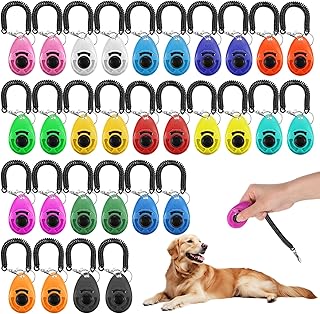
Dog Training Clicker with Wrist Strap (Pairs with Hand Signals for Deaf Dogs)
$20.99
*Affiliate link

FOXMM Interactive Dog Treat Puzzle Toy for IQ Training & Mental Stimulation
$13.99
*Affiliate link
Frequently asked questions
Can an older dog really learn new hand signals, or is it too late?
Absolutely — the old saying 'you can't teach an old dog new tricks' is a myth. Senior dogs can and do learn new cues, though they may need more repetitions and shorter sessions than a young puppy. The key is patience, high-value rewards, and keeping sessions to 3–5 minutes so your older dog doesn't get mentally fatigued. Many owners report that their senior dogs seem to enjoy the mental stimulation of learning new hand signals.
How do I get my deaf senior dog's attention before using hand signals?
Teaching a reliable attention signal is the very first step. You can gently tap your dog on the shoulder, stomp lightly on the floor so they feel the vibration, or wave your hand in their peripheral vision. A vibrating collar (never a shock collar) can also be conditioned as a positive 'look at me' signal. Once your dog looks toward you, you can proceed with the hand signal you want to use.
My deaf senior dog is also losing their vision. Can hand signal training still work?
Yes, but it requires adjustment. Use large, exaggerated hand movements rather than subtle ones. Train in very well-lit spaces, and position yourself close to your dog so your signals are clearly visible. If vision loss is significant, you can also layer in tactile cues — a specific touch pattern on the shoulder or flank can replace or supplement visual hand signals. Always consult your veterinarian if your dog is experiencing both hearing and vision loss, as there may be underlying conditions to address.
My dog used to know verbal commands. Will they be confused by switching to hand signals?
Not at all — in fact, you may find the transition easier than expected because your dog already understands the *behaviors* you're asking for. They just need to learn a new cue format. Start by pairing the hand signal with the familiar situation (e.g., show the 'sit' signal whenever you'd normally say 'sit'), reward heavily, and your dog will make the connection fairly quickly. Some dogs transfer within just a few sessions.
Is it safe to let my deaf senior dog off-leash in the yard or park?
A completely fenced, secure yard can be safe for supervised off-leash time — your dog can't hear approaching dangers, but a solid fence addresses that. However, open areas like parks or fields are not safe for a deaf dog off-leash, regardless of how good their recall is, because they cannot hear approaching cars, bikes, or other animals. A long training leash (15–30 feet) is the best compromise for practicing recall cues while keeping your dog safe.